SpaceX's Stock Market Debut: Aiming for Trillionaire Status
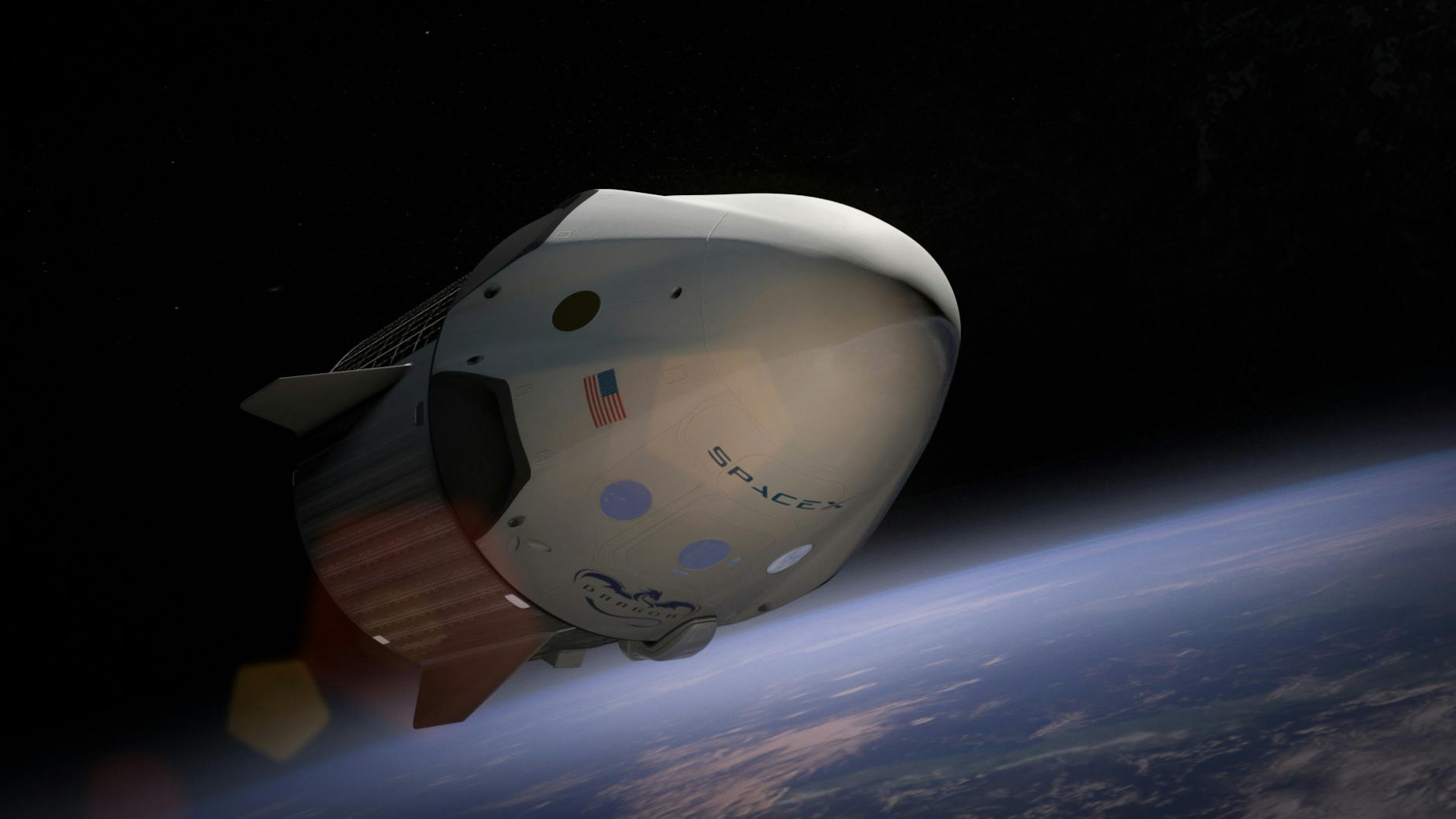
In a bold move that could reshape the financial landscape of the aerospace sector, SpaceX has filed for an initial public offering (IPO), aiming to trade under the ticker SPCX. This development not only hints at the company’s burgeoning valuation but could also propel its founder, Elon Musk, toward becoming the world’s first trillionaire. With SpaceX’s complex portfolio ranging from satellite internet services to ambitious plans for Mars colonization, this IPO signals a pivotal moment in the intersection of technology, finance, and space exploration.
Key Takeaways
- SpaceX's IPO may elevate its valuation to unprecedented heights, potentially exceeding $200 billion.
- Elon Musk's wealth could surpass the trillion-dollar mark with a successful public offering.
- The company’s diverse operations in satellite internet and space travel make it a significant player in both tech and aerospace industries.
- Investor interest in SpaceX's innovative technologies could lead to increased competition in the satellite internet market.
- The IPO might set a new precedent for how private space companies are valued in the public markets.
What Happened?
SpaceX, founded by Elon Musk in 2002, has revolutionized the aerospace industry with its reusable rocket technology and ambitious goals of reducing space transportation costs. The company's recent filing for an IPO marks a significant transition from its status as a private entity to becoming a publicly traded company. This transformation allows SpaceX to access capital markets for funding its expansive projects.
By trading under the ticker SPCX, SpaceX is positioning itself as a formidable force in the stock market. The company’s valuation could potentially reach $200 billion, a figure that reflects its innovative approach and successful ventures, including the development of the Starlink satellite internet network. As a result, Elon Musk's net worth stands to gain astronomically, with analysts suggesting that he could achieve trillionaire status if the offering capitalizes on the current investor enthusiasm for tech stocks.
Why This Matters
The implications of SpaceX's IPO extend far beyond Musk’s personal wealth. A successful public offering could signify a broader acceptance and valuation of private space companies within the financial markets. For instance, the excitement surrounding SpaceX could inspire a new wave of investment into other aerospace startups, potentially fostering innovation and competition in the sector.
Furthermore, the move to go public could enhance transparency and governance within SpaceX, which has operated with a level of secrecy typical of many private firms. Investors will gain insight into the company’s financial health, operational strategies, and future projects, which will, in turn, inform market dynamics and investor confidence in aerospace technologies.
Background and Context
SpaceX has been at the forefront of private space exploration since its inception. The company made history in 2008 by becoming the first privately funded entity to send a liquid-fueled rocket to orbit. Subsequently, it achieved numerous milestones, including the first privately funded spacecraft to reach the International Space Station (ISS) and the successful deployment of the Starlink network designed to provide global high-speed internet.
Over the years, Musk has articulated an ambitious vision of colonizing Mars and making humanity a multi-planetary species. These goals align with SpaceX's continual efforts to drive down the cost of space travel through innovative technologies such as the Falcon 9 rocket and the Starship vehicle. As the company prepares for its IPO, it is essential to understand the historical context of its achievements and the competitive landscape of the aerospace industry.
Expert Analysis
As the IPO approaches, industry experts are keenly analyzing the potential impacts on both investors and the broader market. SpaceX's valuation is expected to be bolstered by its unique position in the satellite internet market, with Starlink poised to disrupt traditional broadband providers. Analysts have noted that the growing demand for internet connectivity, especially in underserved areas, presents a lucrative opportunity for SpaceX.
Moreover, the increasing interest in space exploration and commercial ventures adds to the company's allure as a public asset. The global space economy is projected to reach $1 trillion by 2040, with private companies playing a crucial role in this expansion. By entering the public realm, SpaceX could attract not only traditional investors but also a new class of retail investors drawn to the excitement of space travel and innovation.
What This Means for Investors and the Aerospace Industry
For potential investors, the SpaceX IPO represents both an opportunity and a risk. While the potential for high returns is significant, so are the uncertainties inherent in the aerospace sector. SpaceX's plans are ambitious, and the execution of these plans can be influenced by a myriad of factors, including regulatory hurdles, technological challenges, and competition from both established players like Boeing and new entrants.
Investors will need to weigh these risks against the company’s track record of innovation and success. The IPO could serve as a barometer for investor sentiment toward the aerospace industry as a whole, potentially influencing the valuation of other space-related companies. Additionally, if SpaceX's stock performs well, it could signal strong market confidence in the future of space exploration and its commercial viability.
Frequently Asked Questions
What is the significance of SpaceX's ticker symbol SPCX?
The ticker symbol SPCX represents SpaceX's entry into the stock market. It is a unique identifier that investors will use to buy and sell shares of the company on stock exchanges.
How could Elon Musk become a trillionaire through this IPO?
If SpaceX's valuation reaches the projected $200 billion, Musk's ownership stake in the company could significantly increase his net worth, potentially making him the first trillionaire.
What impact will SpaceX's IPO have on the aerospace industry?
The IPO will likely encourage investment in other aerospace companies and startups, leading to increased competition and innovation within the industry.
How does Starlink factor into SpaceX's valuation?
Starlink, SpaceX's satellite internet service, is a significant part of the company's business model. Its potential to disrupt the traditional broadband market adds substantial value to SpaceX's overall valuation.
The Road Ahead
Looking forward, SpaceX's IPO could redefine the landscape of the aerospace industry. If successful, it may pave the way for a new paradigm where private space companies are not only viable but also highly valued in public markets. This could encourage more investment in space technologies and foster a culture of innovation that benefits not only the industry but also society at large.
As the company prepares for its market debut, stakeholders across the financial and technological sectors will be observing closely. The outcome will likely influence future public offerings in the space industry and may even set benchmarks for how technology companies are evaluated in the stock market.