SpaceX Adjusts IPO Valuation Amidst Competitive Landscape
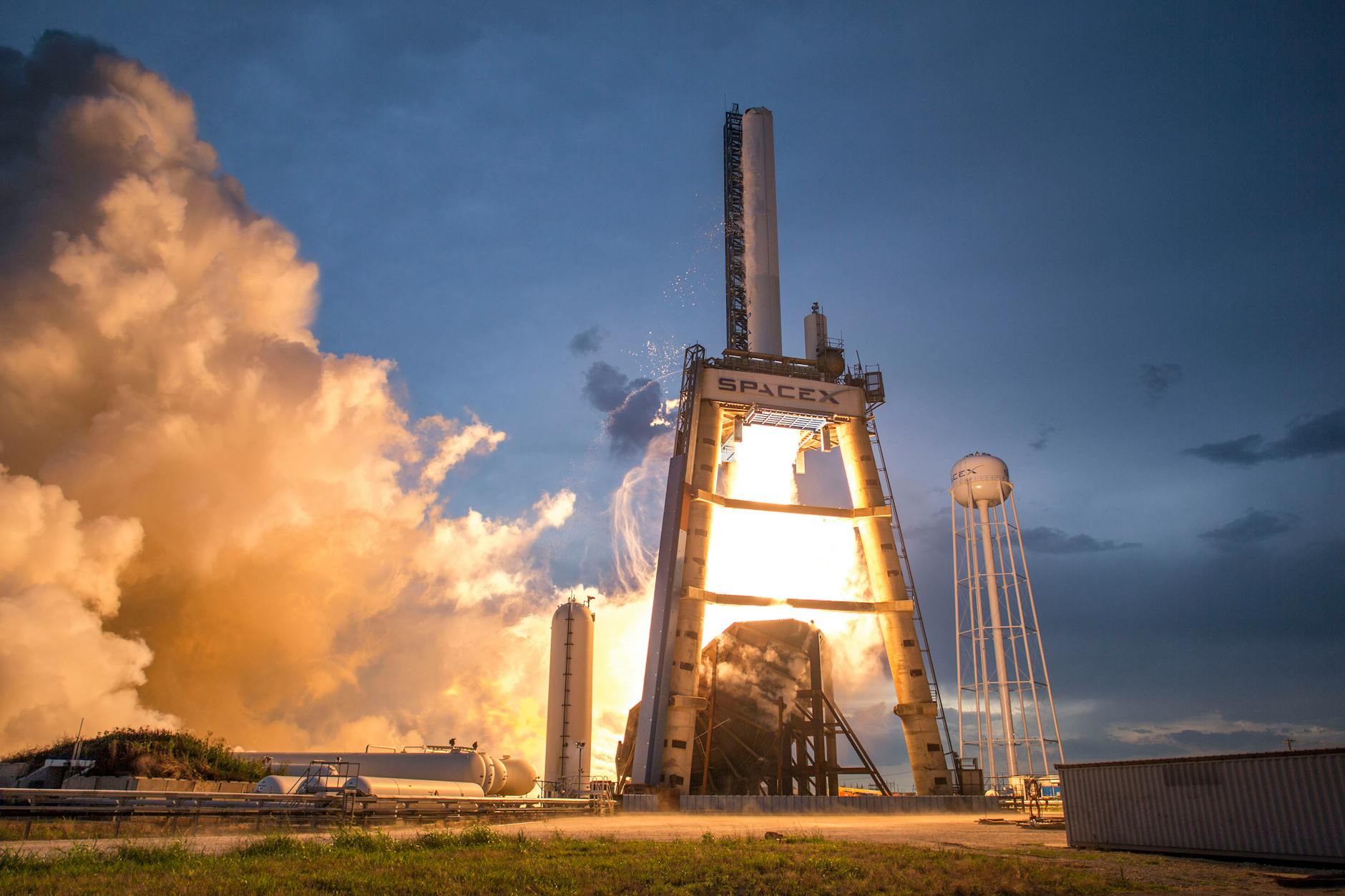
In a surprising shift, SpaceX has lowered its initial public offering (IPO) valuation target, igniting discussions about its strategic positioning and the broader market dynamics in the aerospace and technology sectors. This development comes at a time when rival companies, notably Anthropic, are gaining significant ground in the AI space, further complicating the competitive landscape for investors. Understanding the implications of SpaceX's decision requires a closer examination of both its current strategies and the evolving marketplace.
Key Takeaways
- SpaceX has revised its IPO valuation target downward, indicating a recalibration of expectations.
- Anthropic's $965 billion valuation now surpasses OpenAI for the first time, intensifying competition in the AI sector.
- Dell's unexpectedly strong financial outlook reflects resilience in the hardware market, contrasting with SpaceX's challenges.
- The adjustments in SpaceX's valuation may signal cautious investor sentiment amid a turbulent economic climate.
- This development emphasizes the interconnectedness of aerospace and tech industries, particularly in funding and innovation.
SpaceX's IPO Valuation Adjustment
SpaceX's recent decision to lower its IPO valuation target has sparked a flurry of speculation regarding its financial health and future strategies. Originally anticipated to reach a staggering valuation exceeding $200 billion, the revised target indicates a more conservative estimate, reflecting potential challenges in securing investor confidence. Industry analysts suggest that this adjustment is not merely a reaction to market volatility but rather a strategic response to the company's operational metrics and competitive pressures.
As the aerospace giant prepares for its public debut, the implications of this valuation adjustment cannot be understated. Investors are increasingly scrutinizing not just SpaceX's ambitious projects, such as the Starship program and satellite deployments, but also its financial sustainability in a market where profitability remains elusive. The IPO valuation serves as a bellwether for investor sentiment and can significantly influence the company's trajectory moving forward.
Why This Matters
The implications of SpaceX's lowered IPO valuation extend beyond the company itself, reflecting broader trends in the tech and aerospace industries. As competition heats up, particularly from emerging players in the AI sector like Anthropic, established companies like SpaceX must navigate a complex landscape where innovation and financial viability are paramount. This recalibration may signal to investors that even the most ambitious enterprises are not immune to market realities.
Furthermore, the juxtaposition of SpaceX's valuation adjustment with Anthropic's soaring valuation underscores a significant shift in investor priorities. While SpaceX has long been viewed as a frontrunner in the aerospace domain, the rapid ascent of AI-focused firms suggests a pivot towards technology solutions that promise immediate returns. As the tech ecosystem evolves, companies must remain agile to adapt to shifting investor preferences, making strategic adjustments as necessary.
Background and Context
SpaceX, founded by Elon Musk in 2002, has revolutionized the aerospace industry with its ambitious goals, including the colonization of Mars and the development of reusable rocket technology. Historically, the company has garnered substantial funding through private investments, allowing it to pioneer advancements like the Falcon 9 and Starship. The anticipated IPO has been seen as a potential watershed moment for both SpaceX and the aerospace sector, promising to unlock new capital for future innovations.
On the other hand, Anthropic, a newer entrant in the AI landscape, has recently made headlines by achieving a $965 billion valuation, overtaking OpenAI, a titan in the industry. This shift signifies not only a competitive edge in AI technologies but also highlights the increasing value placed on AI solutions in the market. As companies across various sectors integrate AI capabilities, the financial dynamics are rapidly changing, creating a competitive environment that demands constant adaptation.
Expert Analysis
SpaceX's decision to lower its IPO valuation can be interpreted as a strategic recalibration rather than a sign of weakness. The aerospace industry is inherently volatile, characterized by high capital expenditures and long development timelines. By adjusting its valuation, SpaceX may be attempting to set more realistic expectations among investors, mitigating the risk of an overinflated market response that could lead to significant volatility post-IPO.
Moreover, the adjustment reflects a broader trend in the tech world where companies are increasingly prioritizing profitability over growth. As interest rates rise and economic uncertainty looms, investors are becoming more discerning about where they allocate their resources. SpaceX's move could serve as a signal to other companies in the industry to adopt a similar approach, focusing on sustainable growth rather than chasing inflated valuations.
What This Means for Investors and the Industry
The implications of SpaceX's lowered IPO valuation are multifaceted. For investors, it presents both opportunities and challenges. On one hand, a more conservative valuation may offer a buying opportunity for those looking to invest in a company with a track record of innovation and disruption. On the other hand, it raises questions about the company's future profitability and ability to deliver on its ambitious promises.
For the aerospace sector, this development underscores the increasing challenges associated with attracting investment in a competitive landscape. As companies like Anthropic emerge with compelling AI solutions, traditional aerospace firms must innovate and adapt to maintain relevance. This shift may lead to increased collaboration between tech and aerospace sectors, as companies seek to leverage AI capabilities to enhance operational efficiency and reduce costs.
Frequently Asked Questions
Why did SpaceX lower its IPO valuation?
SpaceX lowered its IPO valuation to adjust expectations amidst a competitive landscape and market volatility, potentially signaling cautious investor sentiment.
What does Anthropic’s valuation surpassing OpenAI indicate?
This indicates a significant shift in the AI landscape, with investors increasingly prioritizing firms that demonstrate innovative technology and immediate returns.
How might this affect the future of SpaceX?
The adjustment may prompt SpaceX to refine its operational strategies, focusing on sustainability and profitability to align with investor expectations.
What are the broader trends in the tech and aerospace industries?
There is a growing emphasis on profitability and sustainable growth, with increasing competition from AI companies reshaping investment dynamics in both sectors.
The Road Ahead
Looking ahead, the future trajectory of SpaceX will likely hinge on its ability to adapt to the changing landscape and recalibrate its strategies in response to market dynamics. The lowering of its IPO valuation may well serve as a catalyst for the company to focus on operational efficiency, potentially leading to innovations that could enhance its competitive edge. Furthermore, as the aerospace sector continues to intertwine with the tech industry, we can expect to see increased collaboration and investment in AI-driven solutions that can optimize aerospace operations.
Ultimately, SpaceX's IPO will be a critical test of not only its own resilience but also the broader market's appetite for aerospace innovation in an era dominated by rapid technological advancements. The convergence of aerospace and AI will likely lead to new opportunities and challenges, making it imperative for companies to remain agile and forward-thinking in their strategies.