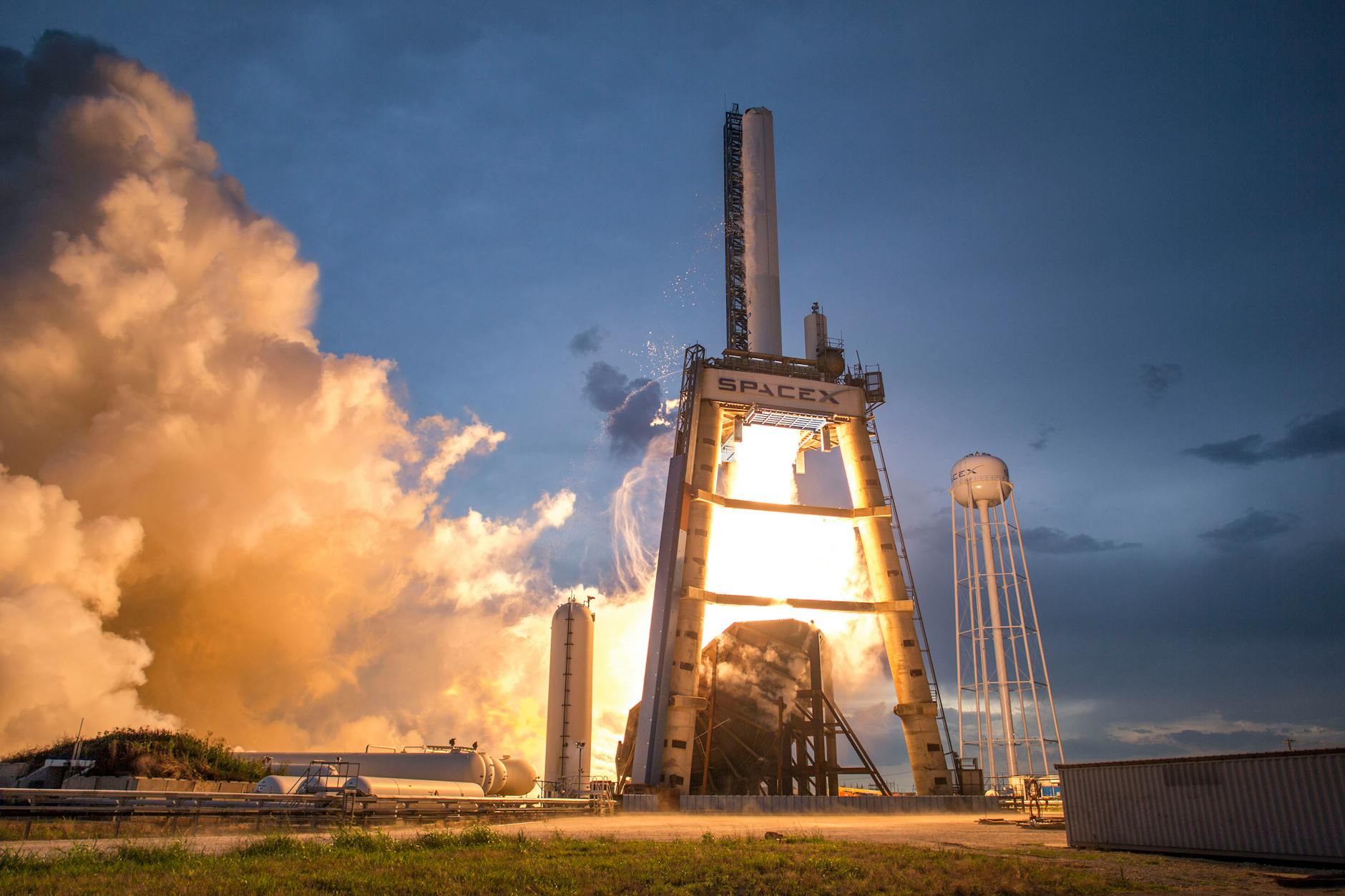
Blue Origin's New Glenn Test Failure: Implications and Insights
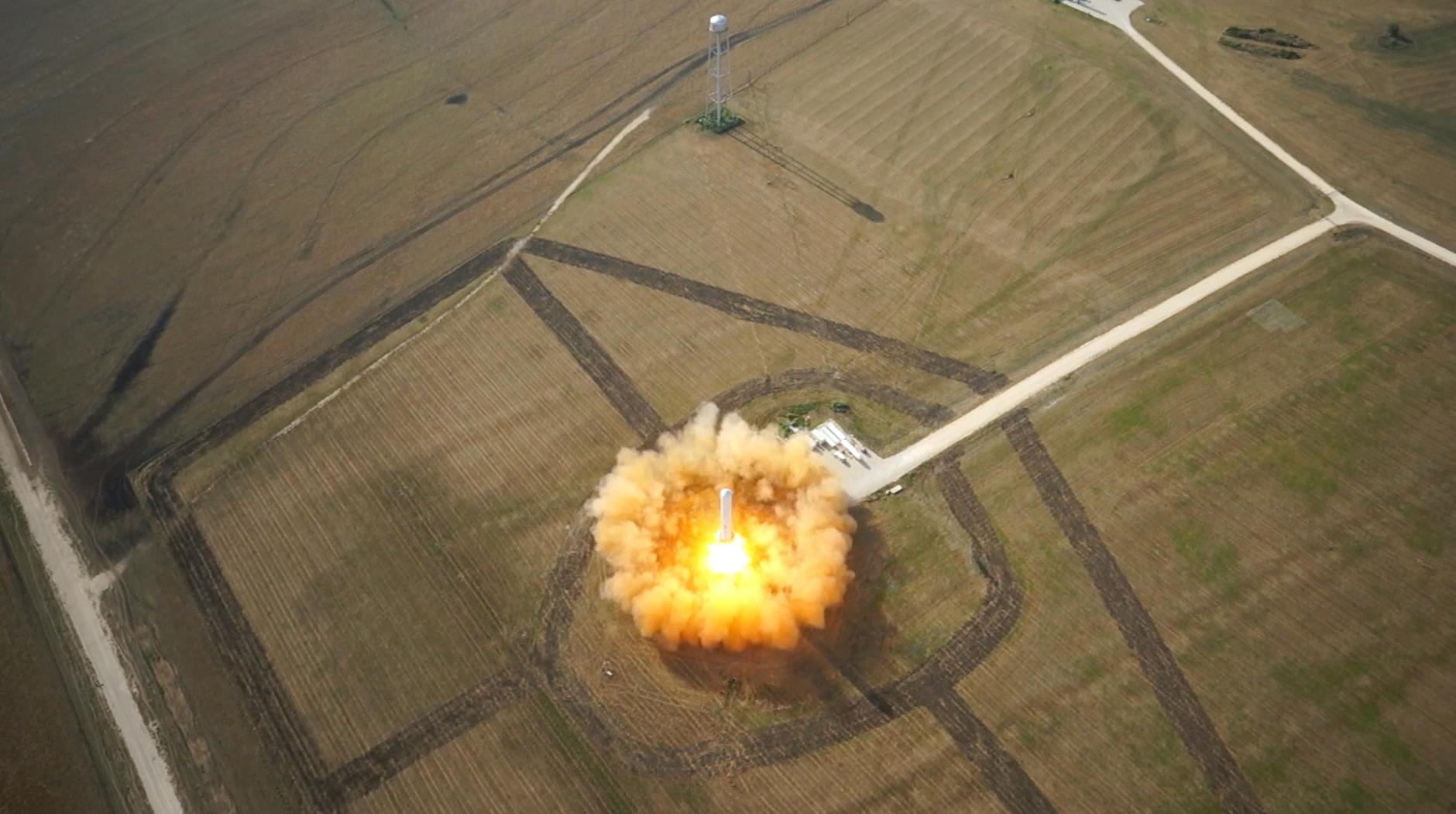
On May 29, 2026, Blue Origin experienced a significant setback when its New Glenn rocket exploded during a test launch at Cape Canaveral, prompting widespread concern regarding debris and safety protocols. The incident not only highlights the challenges of rocket science but also raises questions about the future of commercial spaceflight, particularly in the context of NASA's Artemis program, which aims to return humans to the Moon.
Key Takeaways
- The New Glenn rocket suffered a catastrophic failure during a test, resulting in an explosion.
- Debris from the explosion poses a potential risk to the surrounding area, including nearby infrastructure and personnel.
- This failure raises questions about Blue Origin's progress and reliability in the competitive commercial space market.
- NASA's Artemis program, which relies on partnerships with commercial space companies, may face delays due to this incident.
- Industry experts will scrutinize Blue Origin's safety protocols and engineering practices in light of this failure.
Overview of the New Glenn Test Failure
The New Glenn rocket, named after astronaut John Glenn, was designed to boost payloads into orbit and support missions for NASA and commercial clients. The rocket is part of Blue Origin's ambitious efforts to capture a share of the lucrative space launch market, which has become increasingly competitive in recent years. However, the explosion during the recent test launch raises serious concerns about the rocket's design and Blue Origin's engineering capabilities.
Eyewitnesses reported seeing flames and smoke billowing from the launch site shortly after liftoff, indicating a severe malfunction that led to the rocket's destruction. This incident is particularly concerning given Blue Origin's public commitments to safety and reliability, which are paramount in the aerospace industry. The company has stated that an investigation is underway to determine the root cause of the failure, a process that could take weeks or even months to complete.
Why This Matters
The implications of the New Glenn explosion extend far beyond Blue Origin itself. As commercial spaceflight matures, the reliance on private companies to support government initiatives such as NASA's Artemis program becomes increasingly critical. The Artemis program, which aims to land the first woman and the next man on the Moon by 2025, is heavily dependent on reliable launch systems. Any setbacks in this area could cause significant delays, affecting not only timelines but also funding and strategic partnerships.
Moreover, this incident poses questions about the overall safety of space operations. The debris from the explosion could potentially pose risks to people and property in the vicinity of the launch site, leading to increased scrutiny from regulatory bodies like the Federal Aviation Administration (FAA). As space continues to become a commercial frontier, ensuring the safety of launches will be essential for maintaining public trust and government support.
Background and Context
Blue Origin was founded by Jeff Bezos in 2000 with the vision of making space travel accessible to everyone. The company has made significant strides in developing reusable rocket technology, which is crucial for reducing the costs associated with launching payloads into orbit. The New Glenn rocket represents Blue Origin's first foray into heavy-lift launch vehicles, designed to compete with established players such as SpaceX and United Launch Alliance (ULA).
The commercial space sector has witnessed exponential growth in recent years, driven by technological advancements and increased demand for satellite launches. Companies are racing to develop reliable launch systems that can deliver payloads efficiently and safely. Blue Origin's previous success with its New Shepard rocket, which has successfully completed multiple suborbital flights, created high expectations for the New Glenn. This recent failure challenges the narrative of Blue Origin as a leader in the space industry.
Expert Analysis
Failure in rocket launches is not uncommon in the aerospace industry; however, the frequency and nature of these failures can have lasting impacts on a company's reputation and operational viability. In analyzing Blue Origin's situation, it becomes clear that there are several layers to consider. First, the technical aspects of the New Glenn design and the factors that led to the explosion must be scrutinized. Was it a design flaw, a manufacturing error, or a failure in quality control?
Furthermore, this incident may necessitate a reassessment of Blue Origin's engineering practices and safety protocols. The company has previously emphasized its commitment to safety, but sustained failures can lead to erosion of trust among clients and investors. The competitive landscape of commercial spaceflight is unforgiving; failure to deliver a reliable product can result in lost contracts, decreased funding, and challenges in attracting talent. SpaceX, a direct competitor, has consistently demonstrated a strong safety record, which bolsters its position in the market.
In the context of the broader industry, this failure may prompt regulatory agencies to increase oversight of commercial launch operations. The FAA, in particular, has a vested interest in ensuring that launch operations do not pose risks to public safety. Increased regulations could potentially stifle innovation and slow progress in the commercial space sector, as companies may face higher compliance costs and operational hurdles.
What This Means for Commercial Spaceflight and Users
For commercial clients and government agencies, the implications of the New Glenn failure are significant. The immediate concern is the potential delay of launch schedules, which could impact missions already planned under NASA's Artemis program. Clients that have contracts with Blue Origin may seek alternatives, prompting them to turn to competitors like SpaceX, which has been able to consistently demonstrate successful and reliable launch capabilities.
Moreover, this incident could have a ripple effect across the entire aerospace supply chain. Suppliers and manufacturers who work with Blue Origin may face scrutiny regarding their own practices and product quality. The incident serves as a reminder that safety and reliability must remain at the forefront of design and engineering processes in the aerospace sector.
Frequently Asked Questions
What caused the New Glenn rocket to explode?
The exact cause of the explosion is currently under investigation. Preliminary assessments will focus on design flaws, manufacturing defects, or potential issues related to quality control.
How will this affect NASA's Artemis program?
The failure of the New Glenn rocket could lead to delays in scheduled launches for the Artemis program, which relies on commercial partnerships for certain missions.
What is Blue Origin's plan moving forward?
Blue Origin has stated that it will conduct a thorough investigation into the failure and take the appropriate steps to rectify any identified issues before proceeding with future launches.
How does this incident compare to other rocket failures?
Rocket failures are not uncommon in the space industry, but the frequency and context matter. Companies like SpaceX have faced similar setbacks but have often rebounded quickly, whereas sustained failures can have more severe consequences for reputation and contracts.
The Road Ahead
The road ahead for Blue Origin will undoubtedly be challenging. The company must navigate the fallout from this explosion while restoring confidence among clients, investors, and regulatory agencies. Transparency in the investigation process and a commitment to addressing any identified shortcomings will be critical in regaining trust.
As the commercial space sector continues to evolve, Blue Origin's response to this incident may serve as a case study for how companies can manage failures. The lessons learned from the New Glenn explosion will likely shape the future of safety protocols, engineering practices, and regulatory oversight within the industry. Ultimately, the success of commercial spaceflight relies on the ability to learn from setbacks and adapt to the dynamic challenges ahead.