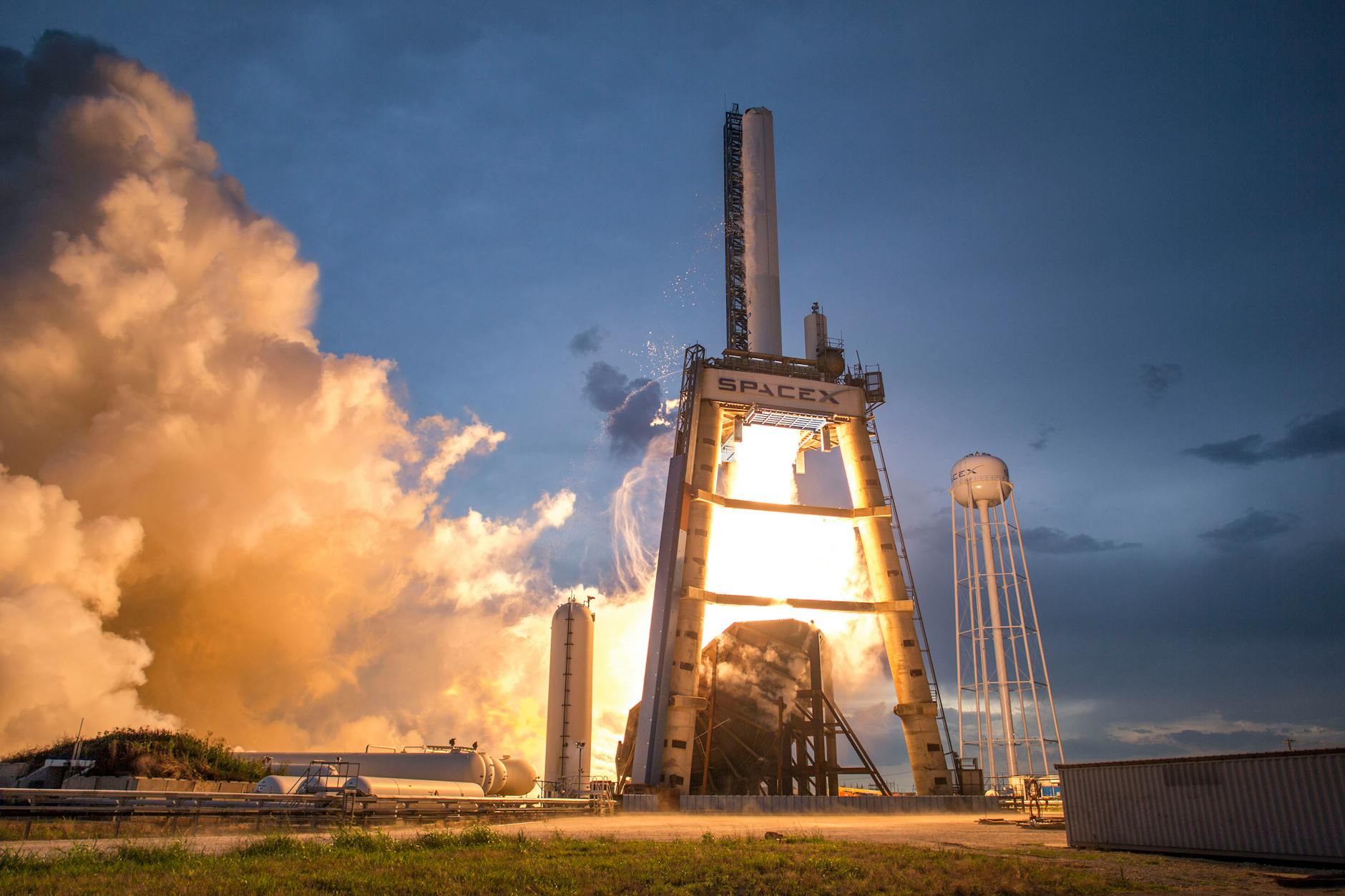
SpaceX's Ambitious IPO Plans: Five Intriguing Insights

As the dawn of a new era in space exploration looms, SpaceX's recent IPO filing has offered a tantalizing glimpse into its multifaceted operations and ambitious plans for the future. With aspirations as lofty as colonizing Mars, the company is not just aiming for the stars but also seeking to reshape humanity's role in the cosmos. This article dives deep into the details outlined in SpaceX's investor prospectus, revealing five strange yet fascinating insights that could redefine our understanding of investment in space.
Key Takeaways
- SpaceX is targeting a staggering $1.75 trillion IPO, reflecting its aggressive growth strategy.
- The company plans to establish a permanent colony on Mars, indicating a long-term vision for human settlement beyond Earth.
- SpaceX’s financial projections include ambitious revenue streams from both satellite launches and interplanetary travel.
- Warnings about the integration of AI technologies in their operations highlight concerns over ethical implications and safety.
- Elon Musk’s vision encapsulates not just technological advancement but also philosophical musings on humanity’s future in space.
A Closer Look at SpaceX’s IPO Filing
On May 21, 2026, SpaceX made headlines by publicizing an extensive investor prospectus, revealing critical insights into its financial health and cosmic ambitions. The company is preparing for an eye-watering IPO valuation of $1.75 trillion, a figure that underscores its meteoric rise within the aerospace industry. This move is not just about raising capital; it represents a strategic pivot that could position SpaceX as a dominant player in the commercial space sector.
Among the intriguing details in this filing is SpaceX’s audacious goal of establishing a permanent human presence on Mars. The prospectus outlines plans for a self-sustaining colony that would be capable of supporting life independently from Earth. This initiative not only underscores SpaceX's technical capabilities but also reflects a profound philosophical stance on humanity’s place in the universe.
Additionally, the filing contains financial projections that reveal a diverse revenue model. Beyond merely launching satellites and spacecraft, SpaceX is setting its sights on interplanetary travel, suggesting that the company is seriously contemplating the commercialization of space travel for civilians and scientists alike. This is a long-term vision that could attract significant investor interest and potentially reshape the aerospace market.
Why This Matters
The implications of SpaceX's IPO are monumental, not just for the company but for the entire aerospace industry. A valuation of $1.75 trillion would place SpaceX among the most valuable companies globally, rivaling tech giants like Apple and Amazon. Such financial clout could enable SpaceX to accelerate its R&D efforts, further enhancing its competitive edge in a field that is rapidly evolving.
Moreover, the drive to establish a human colony on Mars raises critical questions about the future of humanity. It signals a shift towards a multi-planetary existence, which has been a long-held dream of visionaries but is now being taken seriously by corporate entities. This could lead to increased investment in space infrastructure, technology, and research, fostering innovation that may benefit life on Earth in unexpected ways.
Background and Context
SpaceX, founded by Elon Musk in 2002, has revolutionized the aerospace industry with its innovative approach to rocket design and launch economics. By developing reusable rocket technology, SpaceX has dramatically reduced the cost of launching payloads into orbit, making it a leader in the commercial space sector. Over the years, the company has secured numerous contracts with NASA and private entities, establishing a track record of successful missions.
The recent surge in interest regarding space colonization is not solely the domain of SpaceX; it reflects a broader trend influenced by advancements in technology and changing societal attitudes toward space exploration. As concerns about Earth's sustainability grow, the idea of looking beyond our planet as a potential refuge becomes increasingly appealing. As such, SpaceX's plans for Mars are not merely a corporate strategy but part of a larger narrative about humanity's future.
Expert Analysis
From an investment perspective, SpaceX's IPO represents a unique opportunity for investors to engage with a company that is not only at the forefront of technological innovation but also possesses a visionary roadmap for the future. The ambitious plans for a Mars colony, while filled with challenges, highlight the potential for exponential returns on investment if these goals are realized. Investors are increasingly drawn to companies that not only promise financial returns but also align with broader societal and existential goals.
Furthermore, the integration of artificial intelligence technologies into SpaceX's operations raises questions about the ethical implications of AI in aerospace. While AI can enhance safety and efficiency, concerns about decision-making processes and the potential for unforeseen consequences cannot be overlooked. As SpaceX navigates this complex landscape, it will need to ensure that its use of AI aligns with ethical standards and enhances, rather than jeopardizes, safety.
What This Means for Investors and the Aerospace Industry
For investors, the IPO presents an opportunity to invest in a company that is not just about rockets and satellites but is also deeply intertwined with the future of humanity. The prospect of a multi-planetary existence is not merely a fantasy; it is becoming an achievable goal that could redefine investment strategies within the aerospace sector. The interest in commercial space travel has surged, and SpaceX's plans could catalyze a new wave of investment in this area.
For the aerospace industry at large, SpaceX's ambitions could spark increased competition among established companies and new entrants alike. The focus on Mars colonization might encourage other aerospace firms to reevaluate their strategies and invest in long-term projects that involve human settlement beyond Earth. This could lead to a renaissance in space exploration, driven by both commercial interests and a desire for scientific discovery.
Frequently Asked Questions
What is the significance of SpaceX's $1.75 trillion IPO?
The $1.75 trillion IPO reflects SpaceX's aggressive growth ambitions and positions the company among the most valuable in the world, enabling it to increase investments in technology and innovation.
What are SpaceX's plans for Mars colonization?
SpaceX plans to establish a self-sustaining colony on Mars, aiming for a permanent human presence that can operate independently from Earth. This is part of a long-term vision for humanity's future in space.
How does AI play a role in SpaceX's operations?
AI is expected to enhance various aspects of SpaceX's operations, from optimizing rocket launches to improving safety measures. However, ethical considerations surrounding AI's integration remain a concern.
What are the broader implications of SpaceX's ambitions?
SpaceX's ambitions could lead to increased investment in space technology and infrastructure, prompting a shift in the aerospace industry towards long-term projects focused on human settlement beyond Earth.
The Road Ahead
As SpaceX gears up for its IPO and unfolds its ambitious plans for Mars, the implications extend far beyond the company itself. The potential for a multi-planetary existence raises profound questions about the future of humanity, sustainability, and the role of technology in shaping our destiny. With a valuation that could rival tech giants, SpaceX is not just an aerospace company; it is a symbol of mankind’s aspirations and an embodiment of our quest for exploration.
Looking ahead, the success of SpaceX’s plans will depend on its ability to navigate complex technical challenges, regulatory hurdles, and ethical considerations, especially concerning the integration of AI. The road to Mars is fraught with uncertainty, but if SpaceX can maintain its momentum and fulfill its vision, it may indeed pave the way for a new era of human exploration and habitation beyond our home planet.