SpaceX Delays Starship Launch: What’s Next for the Space Industry?
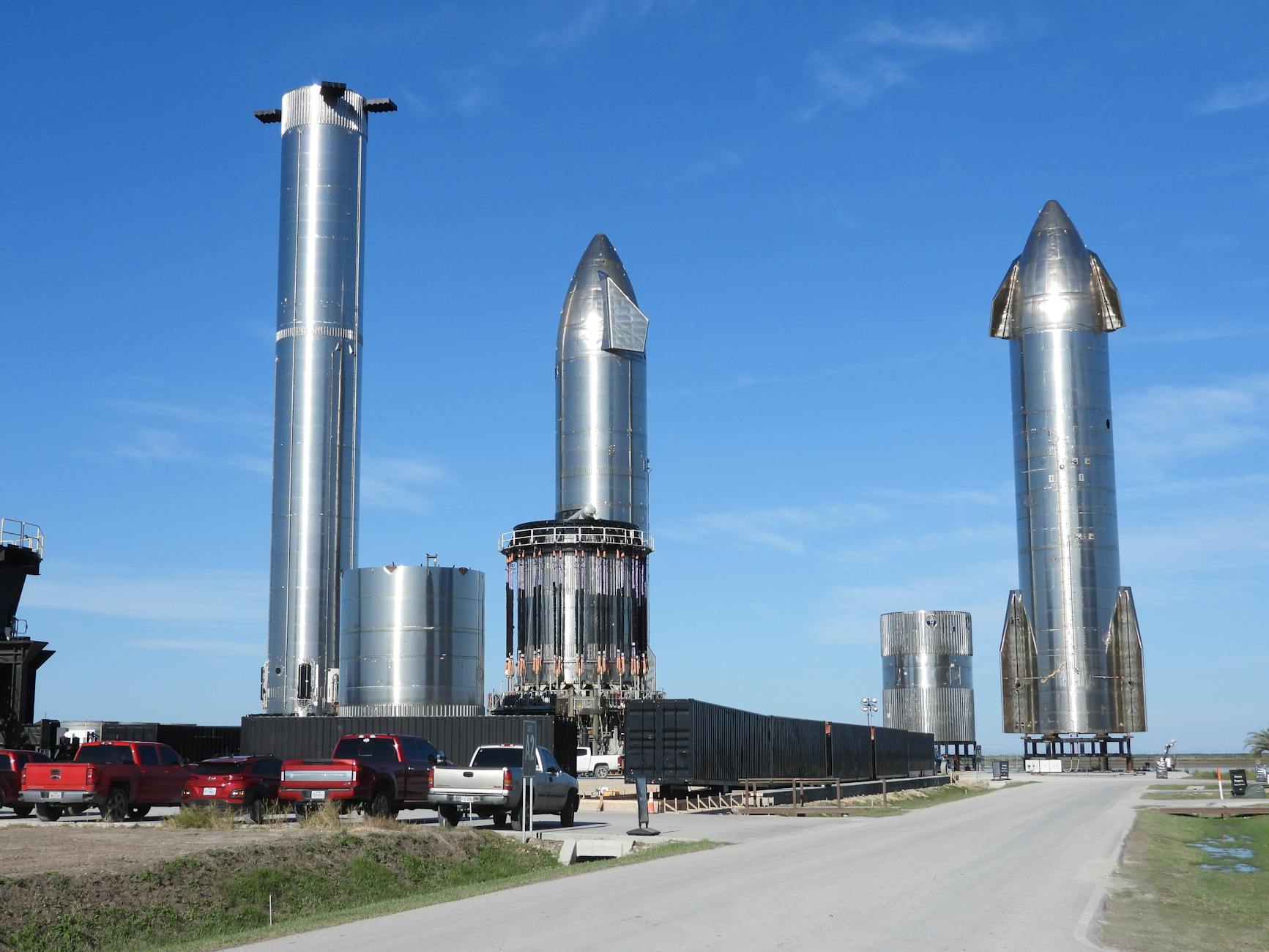
SpaceX, a trailblazer in the private space sector, has once again found itself navigating turbulent waters, having recently delayed a critical test of its massive Starship rocket. This decision comes in the wake of a mechanical failure during the final countdown, where a pin linked to the launch tower mechanism failed to retract. The timing of this setback is particularly poignant as it follows closely after SpaceX's formal filing for an Initial Public Offering (IPO), which has many stakeholders closely watching the company's developments. This article will explore the implications of this delay, the potential effects on SpaceX’s IPO ambitions, and what it means for the broader space industry.
Key Takeaways
- SpaceX's Starship launch was delayed due to a mechanical failure in the launch tower mechanism.
- The delay raises concerns about the reliability of the Starship system and could impact investor confidence ahead of the company's IPO.
- Expert opinions stress the importance of thorough testing and resolving mechanical issues before proceeding with launches.
- The situation underscores the challenges of scaling operations in the burgeoning commercial space sector.
- Despite setbacks, SpaceX remains a key player in advancing space exploration technology, influencing the future of the industry.
What Happened?
On the scheduled day for what was to be a significant test for SpaceX's Starship rocket, the launch was abruptly halted due to mechanical issues. Specifically, a pin that is crucial for the operation of the launch tower's mechanism failed to retract during the countdown sequence. As a result, the launch team was left with no choice but to delay the test.
This incident is not an isolated occurrence; it reflects the ongoing challenges that SpaceX faces as it pushes the boundaries of rocket technology and aims to establish its Starship as a pivotal vehicle for future space exploration missions. The launch was highly anticipated, not only by SpaceX but also by stakeholders and investors who are keenly watching the company’s trajectory following its recent IPO filing.
SpaceX had built considerable momentum leading up to this test, having invested significant resources and time into developing the Starship rocket. The Starship is designed to be fully reusable and capable of carrying both crew and cargo to a variety of destinations, including Mars. However, this delay raises questions about the operational readiness of the Starship system and its various components.
Why This Matters
The delay of the Starship launch has implications that extend beyond just one test flight. For SpaceX, this incident can affect investor confidence, particularly in light of its recent IPO filing. Investors are typically wary of companies that exhibit technical difficulties, especially in high-stakes industries like aerospace. A successful launch of the Starship was seen as a crucial step in showcasing the reliability and capabilities of the rocket to potential investors.
Moreover, the implications stretch into the broader commercial space sector. SpaceX has been a trailblazer within the industry, often setting benchmarks for performance, safety, and innovation. If SpaceX encounters repeated technical setbacks, it could embolden competitors to capitalize on its vulnerabilities. Companies like Blue Origin and Rocket Lab are among those that could seize the opportunity to position themselves more favorably in the market as the commercial space race intensifies.
Background and Context
SpaceX, founded in 2002 by Elon Musk, has transformed the landscape of space travel and exploration. Its achievement in developing the Falcon 1, Falcon 9, and Falcon Heavy rockets has made it a prominent player in satellite launches and cargo resupply missions to the International Space Station (ISS). The Starship program represents the next evolution in SpaceX's vision of making space travel more affordable and accessible.
Historically, rocket launches have been fraught with challenges and risks. The aerospace industry has always faced mechanical failures, environmental factors, and technical complexities. For SpaceX, the journey to perfect the Starship rocket has involved extensive testing, iteration, and learning from failures. Such is the nature of aerospace engineering, where each setback can lead to breakthroughs in design and operation.
Expert Analysis
The recent mechanical failure during the Starship countdown is a stark reminder of the intricacies involved in rocket launches. Laura Crabtree, CEO of Epsilon3 and a former SpaceX engineer, emphasizes that while delays can be frustrating, they are often necessary to ensure the safety and reliability of launch vehicles. The decision to halt a launch due to mechanical issues is an indication of a commitment to safety and reliability, which should ultimately bolster confidence in the long term.
From a technical perspective, the failure of the pin linked to the launch tower mechanism raises questions about the design and engineering processes that underpin the Starship program. Each component of a launch vehicle must work in perfect harmony, and a single point of failure can have cascading effects that disrupt the entire operation. Engineers will need to conduct a thorough investigation to determine the root cause of the failure, implement corrective measures, and test those solutions before proceeding with future launches.
Furthermore, this incident could serve as a learning opportunity for SpaceX and the industry at large. Historical data from testing and failure analysis can lead to improved designs and more robust systems in the future. The aerospace community has always thrived on collaboration and shared knowledge, and SpaceX's experience could contribute valuable insights to the ongoing evolution of rocket technology.
What This Means for the Space Industry
For the commercial space sector, the implications of SpaceX's launch delay extend beyond the immediate concerns of one test flight. As the industry grows, establishing reliable and efficient launch vehicles is paramount. The Starship program represents not only SpaceX's ambitions but also the future of commercial space travel. If SpaceX can successfully address the mechanical issues it faces, it may solidify its position as a leader in the industry.
Additionally, the situation highlights the competitive landscape of the commercial space sector. Companies such as Blue Origin and Rocket Lab have been making strides in their own space programs, and they will be closely monitoring SpaceX's progress. If SpaceX continues to experience setbacks, it could create openings for competitors to capture market share and establish themselves as viable alternatives.
Ultimately, the ability to learn from failures and respond effectively will define the success of SpaceX and the broader industry. The expectation for rapid iterations and improvements is high, given the ambitious goals set forth by various companies. The world is eagerly awaiting the next steps in this unfolding story.
Frequently Asked Questions
What caused the delay in the Starship launch?
The delay was due to a mechanical failure where a pin linked to the launch tower mechanism failed to retract during the final countdown.
How does this affect SpaceX’s IPO plans?
The delay could raise concerns about the reliability of SpaceX’s technology, which may affect investor confidence as they prepare for the IPO.
What are the potential implications for the broader space industry?
The delay may embolden competitors and highlight the challenges of scaling up operations in the commercial space sector.
What steps will SpaceX take to address the mechanical failure?
SpaceX will conduct a thorough investigation to identify the root cause of the failure, implement corrective measures, and test those solutions before proceeding with future launches.
The Road Ahead
Looking to the future, SpaceX will need to navigate the delicate balance between innovation and reliability as it works through the challenges presented by the recent launch delay. Transparency with stakeholders will be crucial as they aim to maintain investor confidence in light of the IPO filing. The company will likely ramp up its engineering efforts to resolve mechanical issues and ensure that the Starship is ready for upcoming launches.
In the grander scheme of the commercial space sector, this incident serves as a reminder of the trials and tribulations inherent in aerospace development. As SpaceX continues to push boundaries, it will also inspire other companies to innovate and tackle similar challenges. The space race is far from over, and the next chapter in the story will be defined by how effectively SpaceX learns from this setback and positions itself for future success.