Samsung Memory Chip Staff to Receive Major Bonuses Amid AI Profit Surge
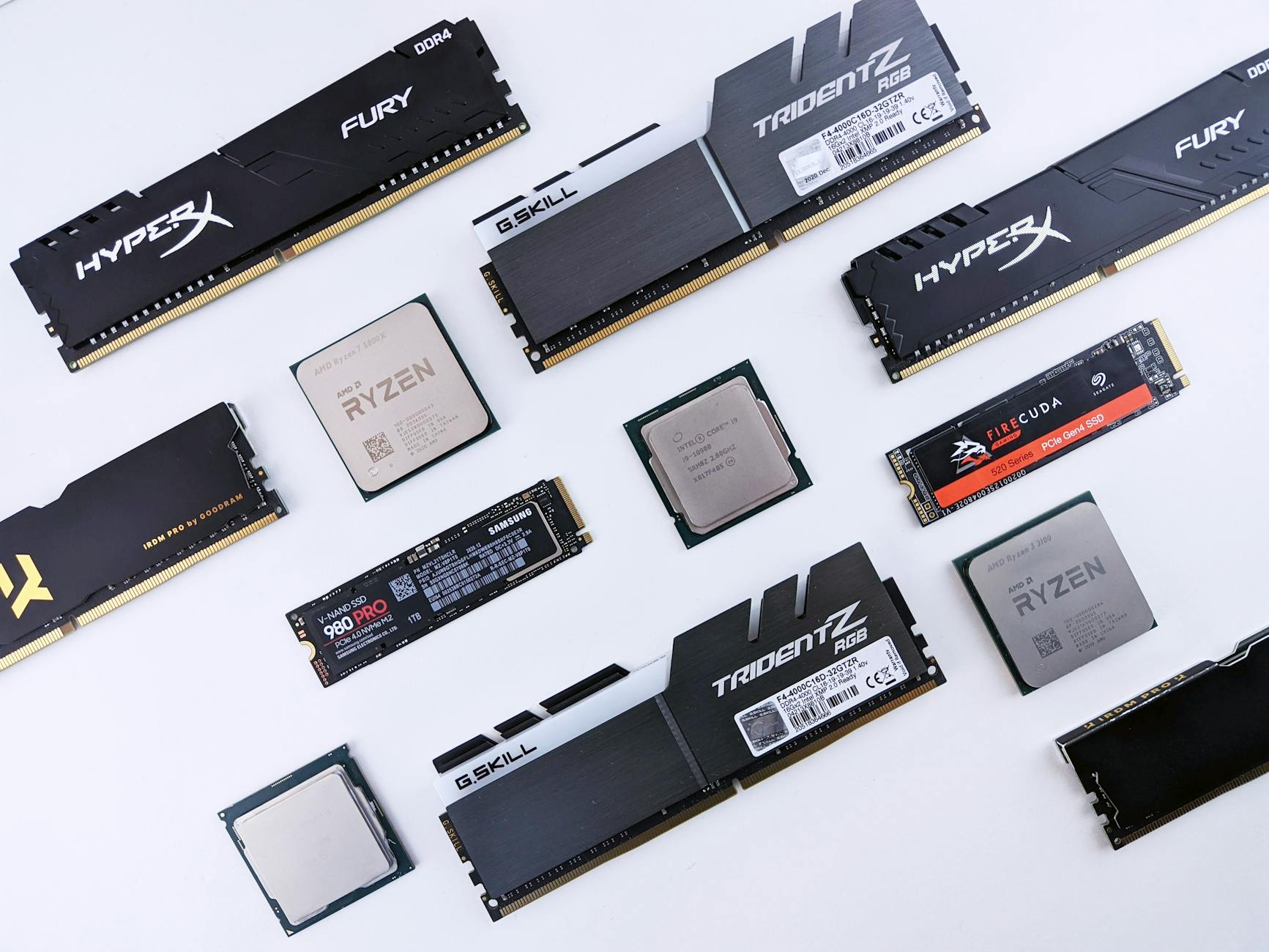
The recent announcement that employees of Samsung Electronics’ memory chip division will receive bonuses averaging about £310,000 each has sent ripples through the tech industry. This landmark profit-sharing agreement not only reflects the booming demand for AI-driven technology but also underscores the evolving dynamics in labor relations within the semiconductor sector. As the global AI market surges, the implications for both employees and companies are profound.
Key Takeaways
- Samsung's memory chip division employees are set to receive an average bonus of £310,000 due to a new profit-sharing agreement.
- This agreement was established to avert potential strike actions by employees concerned about profit distribution.
- The substantial bonuses are a direct result of increased profitability driven by the ongoing AI boom.
- Two additional chipmakers have recently joined the ranks of companies valued at over $1 trillion, indicating a significant trend in the semiconductor industry.
- The AI boom is reshaping labor relations and compensation structures in technology sectors worldwide.
Details of the Agreement
The profit-sharing agreement reached at Samsung Electronics marks a pivotal moment in labor relations within the technology sector. This deal comes in response to heightened employee expectations in light of massive profits generated by the AI boom. Samsung’s decision to reward its memory chip division employees with an average bonus of £310,000 reflects not only their contributions but also the broader economic landscape shaped by artificial intelligence advancements.
As the demand for AI technologies has surged, so too has the appetite for memory chips that power these innovations. Samsung, being one of the largest manufacturers of memory semiconductors, has seen its revenues soar in parallel with this demand. The agreement effectively shares a portion of these profits with employees, thereby acknowledging their role in driving the company’s success.
The unions representing Samsung’s chip employees played a crucial role in negotiating this deal. Fears of a strike loomed large as employees expressed concerns over equitable profit distribution. The successful negotiation not only averted potential disruptions in production but also set a new precedent within the industry regarding employee compensation and profit-sharing models.
Why This Matters
The significance of this agreement extends beyond Samsung itself; it has far-reaching implications for the semiconductor industry and labor relations in the tech sector. The AI boom is fueling a transformation in how companies approach employee compensation and engagement. As profits swell, the expectation from employees for fair profit-sharing is likely to grow, leading to potential shifts in employment dynamics.
This situation is not unique to Samsung. Other chipmakers are also experiencing record profits, with two more recently joining the $1 trillion valuation club. This trend illustrates a broader shift within the semiconductor market, suggesting that similar agreements may soon follow at other companies as they seek to maintain employee morale and avoid labor unrest.
Moreover, the AI-driven demand for memory chips signals that this sector will remain a key player in the technology landscape for the foreseeable future. Companies that fail to recognize the importance of fair compensation and profit-sharing could face increased turnover rates and difficulty attracting top talent.
Background and Context
The semiconductor industry has been undergoing rapid changes over the past decade, spurred by technological advancements and the rise of AI. As AI systems require vast amounts of data processing power, the demand for memory chips has skyrocketed. Companies like Samsung, Intel, and TSMC have been at the forefront of this transformation, investing heavily in research and development to meet the burgeoning needs of the AI market.
Historically, labor relations within the tech sector have been complex, often characterized by a balance between innovation and employee satisfaction. As companies have prioritized growth and profitability, many employees have felt marginalized in profit-sharing discussions. The recent shift towards more equitable compensation models, as seen in Samsung's profit-sharing agreement, could mark a turning point in how the industry approaches employee relations moving forward.
Expert Analysis
The agreement at Samsung highlights a crucial intersection of technology, economics, and labor relations. As the AI boom continues to reshape industries, companies are not only competing for market share but also for talent. The expectation for higher compensation and profit-sharing will likely become a standard demand among employees as they contribute to companies’ financial successes.
Furthermore, the psychological contract between employers and employees is evolving. Workers today expect more than just a paycheck; they want to feel valued and recognized as integral parts of their company’s successes. Samsung’s profit-sharing model could serve as a blueprint for other companies looking to foster a more engaged workforce.
From a strategic perspective, organizations that embrace transparent profit-sharing practices may gain a significant competitive advantage. Companies that align employee incentives with corporate performance can enhance loyalty and drive productivity, thereby fueling long-term profitability.
What This Means for Employees, Companies, and the Industry
The implications of Samsung’s profit-sharing agreement resonate across various stakeholders. For employees, this deal sets a precedent that may empower them to negotiate for better compensation structures in their workplaces. It signals a shift toward recognizing and rewarding the contributions of workers in a rapidly evolving industry.
For companies, the challenge will be to balance profit margins with fair employee compensation. Organizations will need to rethink their compensation frameworks to align with employee expectations and market conditions. The semiconductor industry, in particular, may see a wave of similar agreements as companies respond to employee demands and strive to maintain a competitive edge.
The industry as a whole stands to benefit from these changes. By fostering a culture of shared success, companies can enhance their reputations, attract top talent, and create an environment that stimulates innovation. This shift could also encourage more collaborative labor relations, reducing the potential for strikes and labor disputes.
Frequently Asked Questions
What prompted Samsung to introduce profit-sharing agreements?
The introduction of profit-sharing agreements at Samsung was primarily driven by the booming demand for memory chips due to the AI revolution, alongside employee concerns about equitable profit distribution. The agreement was a strategic move to avert potential striking actions and to recognize employees’ contributions to the company's financial success.
How will the bonuses be distributed among employees?
Bonuses are expected to average around £310,000 per employee in Samsung's memory chip division, reflecting the company's significant profits attributable to the AI market's growth. The exact distribution may vary based on individual contributions and roles within the company.
Will other companies follow Samsung's lead?
It is likely that other companies in the semiconductor and tech industries will consider similar profit-sharing agreements, especially as they experience increased profits from the AI market. This trend could lead to a broader shift in labor relations and compensation structures across the industry.
What impact could this have on labor relations in tech?
The success of Samsung's profit-sharing agreement may encourage more open dialogue between employees and management, fostering a collaborative atmosphere. As labor relations evolve, companies might see reduced tensions and labor disputes, enhancing overall workplace morale and productivity.
The Road Ahead
Looking forward, the semiconductor industry is positioned for significant growth as the demand for AI technologies continues to expand. Companies will need to adapt not only to technological advancements but also to evolving labor expectations. The success of profit-sharing agreements like those at Samsung could prompt a broader cultural shift within tech, encouraging a more inclusive approach to workforce compensation.
As organizations embrace these changes, it will be essential for them to maintain transparent communication with their employees. By fostering an environment where workers feel valued and recognized, companies can not only boost employee morale but also drive innovation and productivity. The future of the semiconductor industry may very well depend on how well it navigates these evolving labor dynamics.