Delivery Hero's €10bn Uber Takeover Bid: Implications and Insights
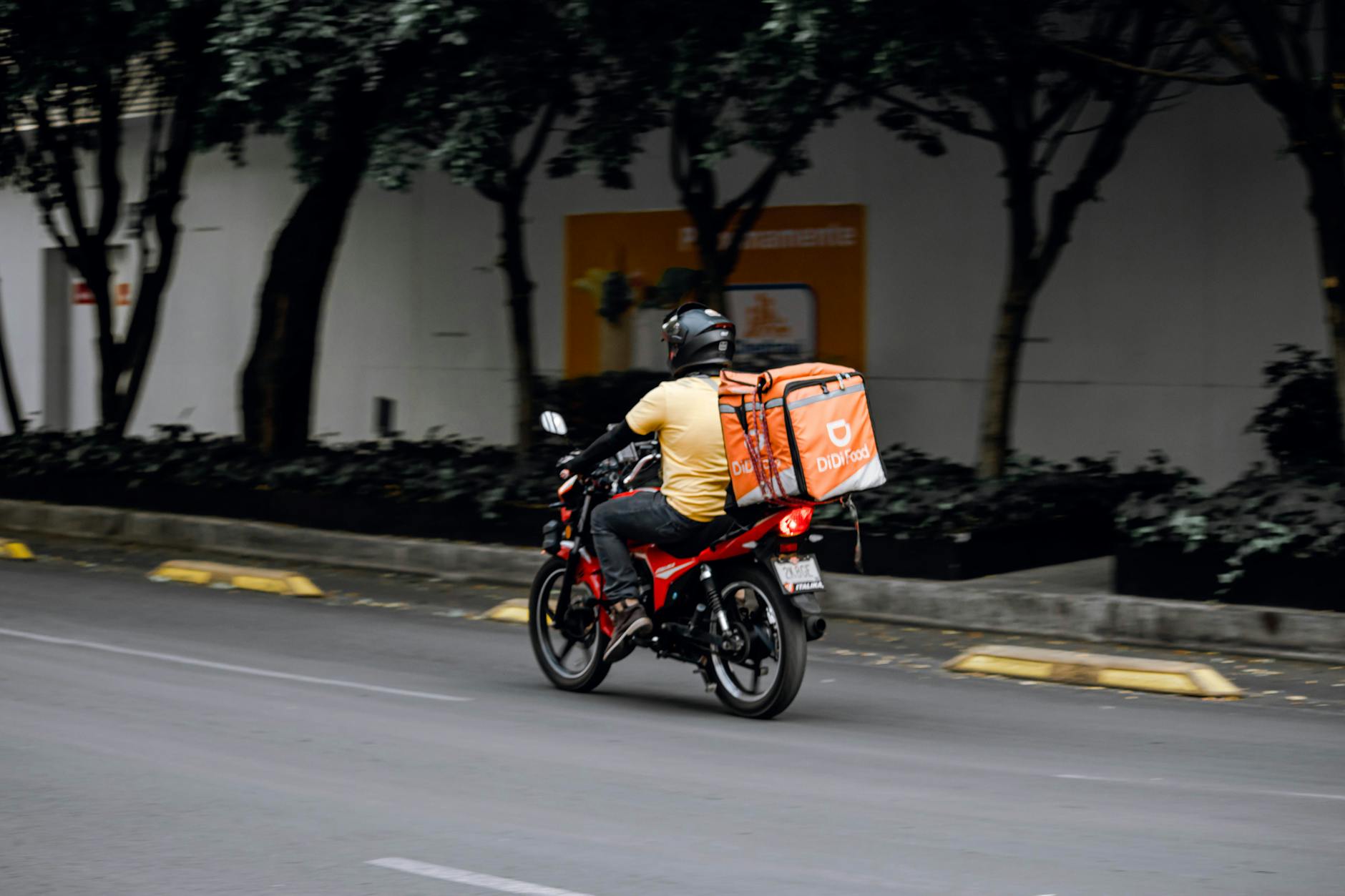
The food delivery service industry is undergoing a seismic shift as Delivery Hero, a prominent player in the sector, reveals a potential takeover bid from Uber valuing the company at an astonishing €10 billion. This news not only signifies a bold move by Uber but also reflects the competitive landscape of online food delivery, where giants like DoorDash are also showing interest. Understanding the implications of such mergers and acquisitions can reveal much about the future of this sector.
Key Takeaways
- The proposed takeover bid from Uber values Delivery Hero at €10 billion.
- Competition in the food delivery industry is intensifying, with DoorDash also reportedly interested in acquiring Delivery Hero.
- This move could reshape market dynamics, potentially leading to a consolidation in the food delivery sector.
- Strategic acquisitions like this one may enhance service offerings and expand geographical reach for the acquiring companies.
- Consumers can expect more innovation and possibly better pricing as competition continues to drive changes in the industry.
The News Unfolded
According to reports, Uber has made a significant move by placing a €10 billion bid to acquire Delivery Hero, a German food delivery giant known for its expansive network and strong market presence in Europe and beyond. This news comes at a time when the food delivery market is experiencing heightened competition, with rivals like DoorDash also expressing interest in Delivery Hero. Such developments indicate a potential reshaping of the food delivery landscape, illustrating how companies are positioning themselves for growth and sustainability in an increasingly competitive market.
Delivery Hero has been a strong player in the food delivery space, leveraging its existing infrastructure and user base to capture market share in various international regions. The interest from Uber, a company already established in food delivery through Uber Eats, showcases a strategic alignment that could enhance operational efficiencies and expand service offerings for consumers. The prospect of this acquisition raises questions about the motivations behind such a bold move and its implications for the market as a whole.
Why This Matters
The potential acquisition of Delivery Hero by Uber is significant for several reasons. Firstly, it highlights the ongoing consolidation trends within the food delivery industry. As companies compete for market dominance, mergers and acquisitions become a viable strategy to enhance capabilities, streamline operations, and reduce competition. This could lead to a scenario where fewer players dominate the market, which may affect pricing and service quality for consumers.
Secondly, the financial implications of a €10 billion valuation for Delivery Hero cannot be overlooked. It sets a benchmark for other companies in the sector, indicating that the market perceives substantial value in food delivery services. This might prompt other businesses to reassess their valuations and consider strategic partnerships or acquisitions to remain competitive. As the industry evolves, understanding the ramifications of these financial maneuvers will be crucial for stakeholders, including investors, consumers, and employees.
Background and Context
The food delivery industry has experienced explosive growth over the past decade, driven by shifts in consumer behavior and technological advancements. Companies like Delivery Hero and Uber Eats have leveraged mobile technology to provide convenient and efficient delivery services, capitalizing on the increasing demand for online food ordering. This growth trajectory has not only attracted consumers but has also drawn the attention of investors, leading to the emergence of a competitive landscape where every player seeks to gain market share.
Historically, the food delivery sector has witnessed numerous acquisitions and mergers, highlighting the importance of scale in achieving profitability and operational efficiency. For instance, in the U.S., DoorDash's acquisition of Caviar and Grubhub’s merger with Just Eat Takeaway exemplify how consolidations can reshape market dynamics, enabling companies to better compete against giants like Uber Eats. Similarly, Uber's interest in acquiring Delivery Hero is reflective of a broader trend in the industry, where strategic partnerships and acquisitions can create synergies leading to improved service offerings.
Expert Analysis
Analyzing the potential acquisition of Delivery Hero by Uber requires an understanding of both companies' strategies and market positions. Uber, primarily known for its ride-hailing services, has made significant inroads into food delivery with its Uber Eats platform. The proposed acquisition could provide Uber with immediate access to Delivery Hero's established customer base and operational infrastructure across multiple markets, enhancing its competitive advantage against rivals like DoorDash.
From Delivery Hero's perspective, this acquisition bid represents an opportunity to leverage Uber's vast resources and technology capabilities. By aligning with a technology-driven company, Delivery Hero could enhance its operational efficiencies, expand its reach in new markets, and innovate its service offerings. The integration of Uber's technology with Delivery Hero's logistics capabilities could result in improved delivery times and customer satisfaction, which are critical elements in the food delivery business.
However, such a merger is not without its challenges. Regulatory scrutiny is likely to be a significant hurdle, as antitrust concerns may arise given the potential for reduced competition in the market. Regulators may closely examine the deal, assessing its impact on market dynamics and consumer choice. A thorough analysis of how such a merger may affect competition will be crucial for both companies as they navigate these potential obstacles.
What This Means for Consumers and Stakeholders
The implications of this potential acquisition extend beyond just the companies involved; they also have significant ramifications for consumers and other stakeholders in the food delivery ecosystem. For consumers, the merger could lead to enhanced service offerings, including improved delivery speed, expanded menus, and potentially lower prices due to increased competition. The convergence of Delivery Hero and Uber could also lead to the introduction of innovative features, such as integrated loyalty programs and improved user interfaces, enhancing the overall customer experience.
For stakeholders, including investors and employees, the prospects of a merger could signal a time of uncertainty. Employees may face changes in job roles or potential redundancies as companies seek to streamline operations post-acquisition. Investors, however, may view the merger as a strategic move to bolster market position, leading to increased shareholder value. As the dynamics of the food delivery market evolve, stakeholders must remain vigilant and adaptable to the changes this potential acquisition may bring.
Frequently Asked Questions
What is the significance of the €10 billion valuation for Delivery Hero?
The €10 billion valuation showcases the perceived value of food delivery services in the market and sets a benchmark for other companies in the sector. It may prompt other businesses to reassess their valuations and consider strategic partnerships or acquisitions to remain competitive.
How could this acquisition impact competition in the food delivery industry?
If the acquisition proceeds, it could lead to reduced competition in the market, particularly if regulatory bodies approve the deal. This may result in fewer players dominating the market, affecting pricing and service quality for consumers.
What are the potential benefits for consumers if the acquisition goes through?
Consumers could benefit from enhanced service offerings, improved delivery times, and possibly lower prices due to increased competition. The merger may also lead to innovative features that enhance the overall user experience.
What challenges might arise from this potential merger?
Regulatory scrutiny is likely to be a significant hurdle, as antitrust concerns may arise regarding reduced competition in the market. Additionally, integrating the two companies' operations may present logistical challenges that need to be addressed.
The Road Ahead
As we look to the future, the potential acquisition of Delivery Hero by Uber represents a pivotal moment for the food delivery industry. Should the deal come to fruition, it could set a precedent for further consolidations within the sector, reshaping the competitive landscape for years to come. Companies will need to adapt quickly to the changing market dynamics and consumer expectations, embracing innovation to stay relevant.
Ultimately, the outcome of this proposed acquisition will hinge on regulatory approvals and the ability of both companies to navigate the complexities of merging operations. As stakeholders await further developments, the potential for enhanced service offerings and increased competition in the food delivery industry remains a compelling narrative that will shape the future of how consumers access food services.