Rachel Reeves Champions 'Buy British' Strategy in Key Industries
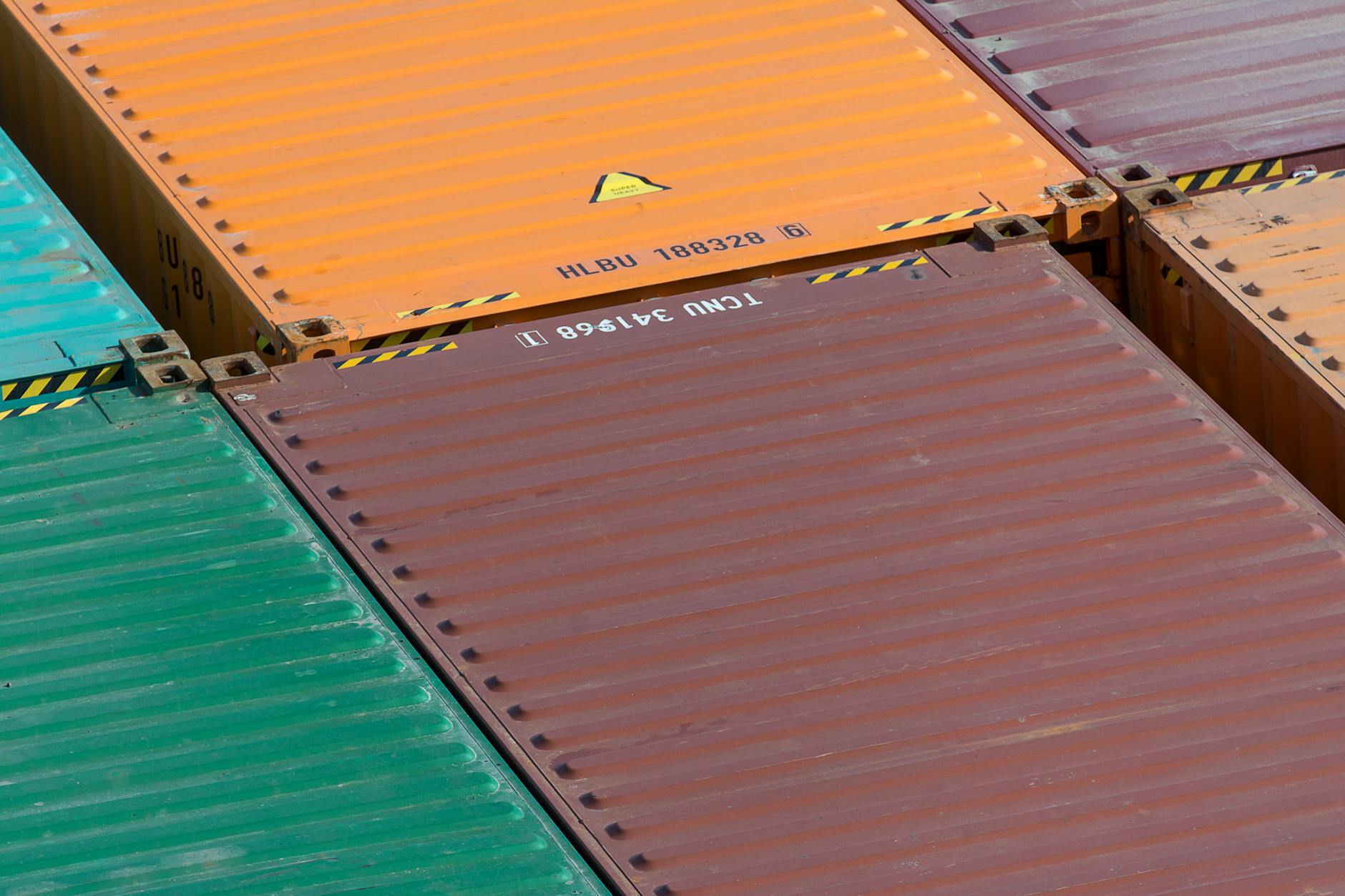
The British economy is at a crossroads, and with rising global tensions and domestic challenges, the call for a more self-reliant and robust economy has never been more pressing. Recently, Chancellor Rachel Reeves made headlines by urging government ministers to prioritize domestic procurement in four critical industries: ships, steel, energy, and artificial intelligence (AI). This move is more than just economic policy; it's a statement about national resilience and the future of British industry.
Key Takeaways
- Chancellor Rachel Reeves emphasizes 'buy British' in procurement across four key sectors.
- Government contracts in ships, steel, energy, and AI are to prioritize British companies.
- This initiative aims to bolster domestic industries and reduce dependency on foreign suppliers.
- Reeves's directive reflects broader economic strategies amid rising global tensions.
- Investing in local industries can boost job creation and innovation within the UK.
Understanding the Directive
In a letter directed at cabinet ministers, Rachel Reeves has expressed her dissatisfaction with the current state of government procurement, which she believes has favored foreign companies at the expense of British industries. She specifically called for a shift in focus, requesting that all future contracts in the sectors of ships, steel, energy, and AI should be awarded to British firms. This directive is part of a larger strategy to not only stimulate the UK economy but also to instill a sense of national pride and self-sufficiency.
Reeves's message is clear: the UK must not only consider cost in government contracts but also the value of supporting and investing in its own industry. The Chancellor’s insistence on prioritizing British companies aims to strengthen the domestic supply chain while also addressing concerns about over-reliance on international suppliers, particularly in critical sectors that underpin national security and economic stability.
Why This Matters
The implications of Reeves's directive reach far beyond mere economics. The call to 'buy British' is steeped in a desire to foster a resilient national identity in the face of global challenges. By focusing on domestic procurement, the UK government could potentially reduce the economic risks associated with geopolitical tensions and trade disputes. For instance, reliance on foreign steel can expose the country to fluctuations in global pricing and availability, while dependence on international energy sources can lead to vulnerabilities in energy security.
Moreover, prioritizing British businesses can lead to significant job creation. As the government contracts shift towards local suppliers, companies will have the opportunity to expand their workforce. This could be especially impactful in sectors like steel and shipbuilding, which have faced significant declines in recent years. Job creation is not only vital for the economy but also essential for regeneration in communities that have been historically dependent on these industries.
Background and Context
The concept of supporting local industries is not new, but it has gained renewed urgency in recent years. The COVID-19 pandemic exposed vulnerabilities in global supply chains, prompting governments worldwide to reconsider their purchasing strategies. In the UK, these vulnerabilities were particularly evident in sectors like healthcare, where reliance on international suppliers led to shortages of crucial medical supplies.
The steel industry, for instance, has faced significant challenges over the past decade, with many British steel manufacturers struggling to compete against cheaper imports. A revival in domestic steel production could not only safeguard jobs but also support sectors like construction and infrastructure, which are critical during periods of economic recovery.
Expert Analysis
Looking at the broader implications of Reeves's announcement, it is clear that this move is not simply about economic policy; it’s a strategic maneuver in a landscape marked by uncertainty and competition. In the realm of AI, there is a growing recognition of the importance of developing a robust domestic ecosystem that can innovate and compete on the global stage. By prioritizing British AI companies, the government can foster homegrown expertise and reduce reliance on foreign technology, which can have national security implications.
Moreover, this directive aligns with a global trend where nations are increasingly adopting protectionist policies to safeguard their economies. The U.S. has seen a similar push towards "buy American" policies, reflecting a broader narrative of nationalism that has emerged in the face of global economic uncertainties.
What This Means for Industries
For industries involved in shipbuilding, steel production, energy, and AI, Reeves's announcement presents both challenges and opportunities. Businesses will need to adapt to this new directive, potentially reshaping their strategies to align with governmental priorities. For example, shipbuilders may need to innovate their designs and processes to meet government specifications while also ensuring competitive pricing compared to international options.
In the energy sector, companies might find new opportunities for government contracts if they can demonstrate sustainable practices and reliable supply chains. The UK has set ambitious goals for renewable energy, and firms that position themselves as leaders in this area may benefit significantly from government support.
AI companies will also need to prove their value not just in terms of innovation but also in their ability to contribute to national security and economic resilience. The government’s focus on domestic procurement could accelerate funding and investment in local AI startups and established firms alike, fostering a more robust ecosystem.
Frequently Asked Questions
What prompted Rachel Reeves to issue this directive?
Rachel Reeves's directive stems from concerns about the UK's over-reliance on foreign suppliers, especially in critical sectors. The goal is to stimulate domestic industry and ensure economic resilience.
How will this impact job creation in the UK?
By prioritizing British companies for government contracts, there is potential for significant job creation in sectors like steel and shipbuilding, which have faced declines in recent years.
What are the implications for international trade?
This 'buy British' initiative could strain relationships with foreign suppliers and impact international trade dynamics, particularly if it leads to increased protectionism.
How can companies prepare for these changes?
Companies should innovate and adapt their strategies to align with governmental priorities, ensuring they offer competitive pricing and meet quality standards to secure contracts.
The Road Ahead
Looking forward, the UK government's push to 'buy British' represents a pivotal shift in how economic policy may evolve in response to both domestic needs and international pressures. By focusing on strengthening local industries, the government is sending a clear message about the importance of economic sovereignty. This initiative could lead to a renaissance in British manufacturing and innovation, creating a more self-reliant economy capable of withstanding global fluctuations.
As the government implements these changes, the effectiveness of the 'buy British' policy will hinge on collaboration between the public and private sectors. Companies must rise to meet the challenges posed by this initiative, fostering innovation and sustainability to ensure their competitiveness in both local and global markets. The success of this strategy will ultimately depend on how well the government and industry can work together to realize a more resilient and prosperous future.