Apple's Innovation Gap: Can a New CEO Revive Its Edge in AI?
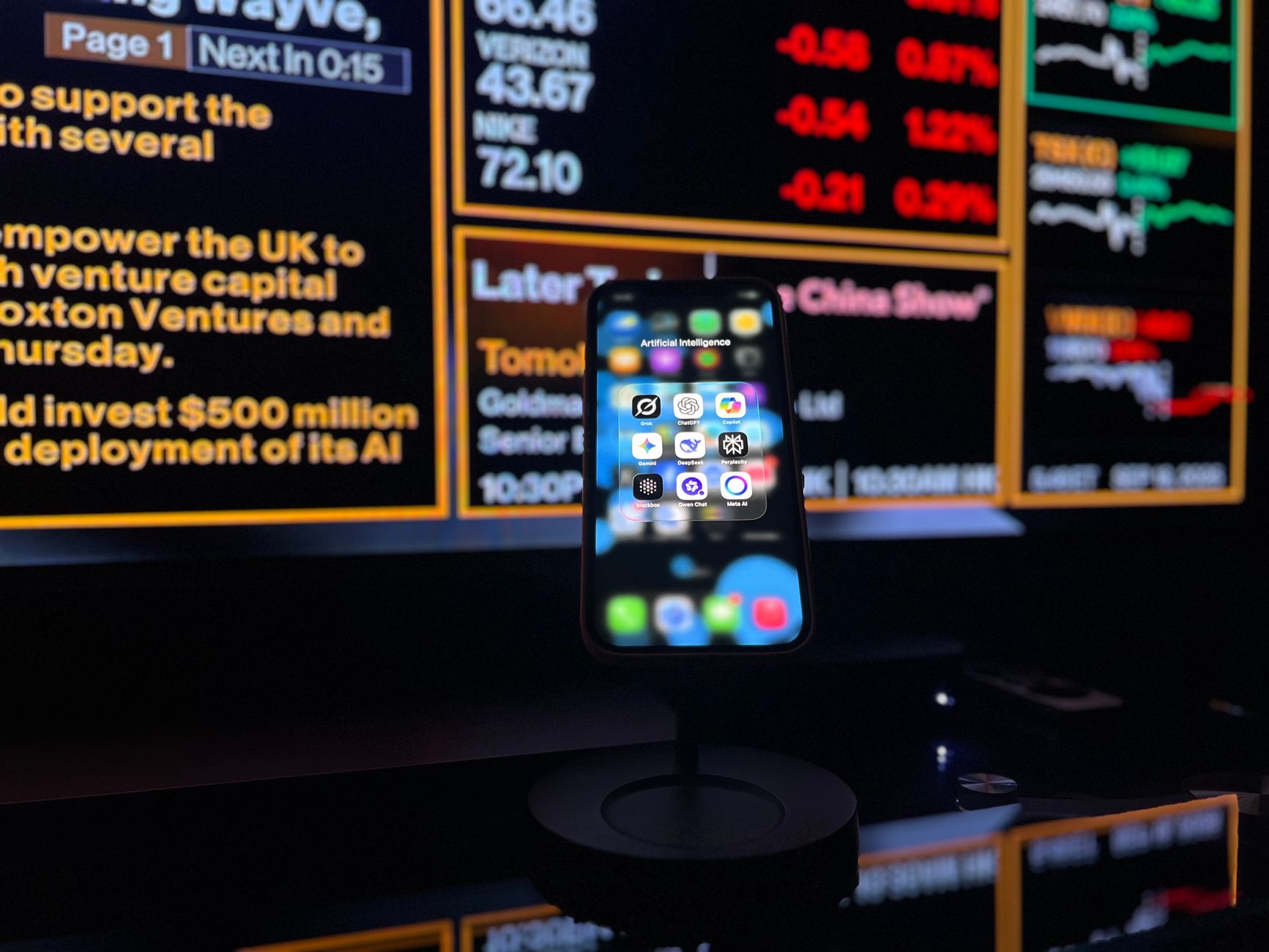
In the tech landscape, few companies have shaped consumer expectations and industry practices like Apple Inc. While the company once stood at the forefront of innovation, recent whispers of an "innovation gap" have raised questions about its future direction. With a new CEO poised to take the reins, the critical question is whether Apple can recapture its innovative spirit in an age increasingly defined by artificial intelligence (AI).
Key Takeaways
- Apple faces an innovation gap that threatens its competitive edge.
- The company’s historical reliance on hardware sales may no longer suffice in a software-driven era.
- A new CEO brings both opportunities and uncertainties as Apple navigates the AI landscape.
- The tech giant must rethink its approach to innovation, focusing on AI and machine learning.
- Industry trends indicate that failure to innovate could lead to significant market share losses.
Apple’s Innovation Challenges
Apple has long been synonymous with innovation, producing groundbreaking products like the iPhone, iPad, and MacBook. Yet, as the tech giant pivots to meet the demands of the AI age, critics argue that it has failed to deliver products that resonate with the current technological landscape. The company's previous CEO, Tim Cook, steered Apple into profitability but has drawn scrutiny for not pushing the boundaries of innovation as fervently as his predecessor, Steve Jobs.
The forthcoming transition to a new CEO marks a pivotal moment for Apple. The individual stepping into this role will need to navigate not only the legacy of Jobs but also the rapidly evolving technological context, especially in AI. As competitors like Google, Microsoft, and Amazon make substantial inroads into AI capabilities, Apple risks losing its edge if it does not adapt swiftly.
Why This Matters
The implications of Apple’s current trajectory are profound. The company has historically thrived on its ability to innovate and create products that consumers didn't even know they wanted. An apparent stagnation in new product development could alienate its core customer base and impact brand loyalty. In an era where tech giants are racing to incorporate AI into their products and services, Apple’s hesitation to embrace this shift could result in a diminished market presence.
Furthermore, as the tech sector grapples with issues of privacy, data security, and ethical AI, Apple’s brand image—rooted in user privacy and security—will be tested. The new CEO must not only address innovation directly but also ensure that Apple adheres to its fundamental principles, potentially paving the way for a new era of responsible AI integration.
Background and Context
Historically, Apple has set trends rather than followed them. The introduction of the iPhone in 2007 revolutionized mobile communication, while products like the Apple Watch and AirPods established new categories in wearable technology. These successes fueled Apple’s growth, allowing it to amass a staggering market capitalization exceeding $2 trillion.
However, the last few years have seen a marked shift in consumer expectations and technological capabilities. The rise of AI has changed the way users interact with technology, with machine learning algorithms now driving applications ranging from personal assistants like Siri to transformative platforms like ChatGPT. As competitors invest heavily in AI research and development, Apple’s reluctance to prioritize AI-driven features in its product lineup raises concerns about its adaptability in a fast-evolving market.
Expert Analysis
As we assess the prospects for Apple under new leadership, it’s essential to consider the broader industry dynamics at play. Major tech firms are not merely adopting AI; they are embedding it deeply into their operations and product offerings. Companies like Google have integrated AI into their search algorithms, while Microsoft has brought AI capabilities to its Office suite and cloud services through Azure. This aggressive adoption of AI not only enhances user experience but also creates significant competitive advantages.
For Apple to remain relevant, the new CEO must foster a culture of innovation that embraces AI as a core component of product development. This shift requires an understanding that consumers are no longer interested solely in hardware specifications; they are looking for seamless, intelligent experiences that enhance their daily lives. Apple’s traditional focus on hardware must evolve to include robust software capabilities that leverage AI, machine learning, and data analytics.
Moreover, the new CEO will need to address internal challenges as well. Apple has cultivated a reputation for secrecy, which, while beneficial in some contexts, may stifle collaborative innovation. A shift towards a more open culture that encourages experimentation and cross-department collaboration could yield the innovative breakthroughs necessary for Apple’s resurgence.
What This Means for Consumers and Developers
For consumers, the implications of Apple’s innovation strategy will be significant. A renewed focus on AI could lead to more intuitive devices and smarter ecosystems that respond to individual needs. Features powered by AI could enhance everything from photography to health monitoring, providing users with richer, more personalized interactions.
Developers, too, would benefit from a more robust ecosystem centered around AI. Apple has a vast developer community that thrives on creating applications for its platforms. By providing developers with advanced AI tools and frameworks, Apple can empower them to innovate and create applications that fully exploit the capabilities of its hardware. This symbiotic relationship could reinvigorate the App Store, leading to innovative applications that further enhance the Apple ecosystem.
Frequently Asked Questions
What challenges does Apple face in the current tech landscape?
Apple faces an innovation gap, particularly in AI, as competitors rapidly integrate these technologies into their products. The company must adapt to changing consumer expectations and technological advancements.
How can Apple's new CEO influence the company's future?
The new CEO has the potential to reshape Apple’s innovation strategy by emphasizing AI and fostering a culture of collaboration and experimentation within the company.
What role does AI play in consumer technology today?
AI is increasingly becoming a fundamental aspect of consumer technology, enhancing user experiences through personalized interactions, smarter devices, and improved functionalities.
What can consumers expect from Apple in the future?
Consumers can anticipate more AI-driven features and smarter integration across Apple devices, enhancing usability and offering more personalized experiences.
The Road Ahead
As Apple stands on the brink of a potential renaissance, the choices made by its new CEO will be pivotal in determining the company’s trajectory in the coming years. The tech industry is rapidly evolving, and the companies that thrive will be those that prioritize innovation, adaptability, and a commitment to meeting consumer needs. Apple's legacy as an innovator faces the challenge of redefining itself in an age where AI is no longer a luxury but a necessity.
Looking forward, Apple has the opportunity to not just catch up but potentially lead in the AI space. By reimagining its product offerings and fostering a culture that prioritizes innovation, Apple can reclaim its position as a tech leader. The key will be the ability to blend hardware excellence with cutting-edge AI capabilities, ensuring that Apple continues to be synonymous with innovation in the consumer technology landscape.