US Eases Export Restrictions on UAE: A New Era for AI Chips
The recent decision by the Trump administration to ease export restrictions on the United Arab Emirates (UAE) marks a significant turning point for artificial intelligence in the Gulf region. By lifting these curbs, the U.S. is not merely facilitating trade; it is igniting a new phase in the technological rivalry and collaboration between nations, particularly in the burgeoning field of AI. This shift opens the doors for UAE to access advanced technologies that are essential for its ambitious AI objectives, potentially reshaping the competitive landscape on a global scale.
Key Takeaways
- The U.S. is relaxing export controls on high-tech goods to the UAE, including semiconductors.
- This move supports the UAE's ambitious AI initiatives, aiming to enhance its technological landscape.
- Access to advanced semiconductor technology is critical for AI development, impacting various industries.
- This easing of restrictions could shift the balance of tech power in the Middle East.
- The decision may reflect broader geopolitical strategies, including countering China's influence in the region.
Easing of Export Restrictions: What Happened?
In a notable policy shift, the Trump administration announced plans to ease export restrictions on a broad spectrum of advanced technologies to the UAE. This includes semiconductors, which are crucial components for artificial intelligence systems. The U.S. Department of Commerce has been working closely with UAE officials to establish frameworks that ensure compliance with international trade regulations while allowing for a more robust exchange of technological innovations.
Historically, the export of advanced technology to the UAE has been heavily regulated due to national security concerns. However, the evolving technological landscape and the UAE's increasing ambitions in the AI sector have prompted U.S. policymakers to reconsider these restrictions. The UAE has been making significant investments in AI, aiming to position itself as a regional hub for technology and innovation.
Why This Matters
The easing of export restrictions could have profound implications not only for the UAE but also for the broader Middle Eastern region. By gaining access to cutting-edge semiconductor technology, the UAE is better positioned to accelerate its AI initiatives, which are integral to its broader economic diversification strategy. The UAE has set ambitious goals, including the establishment of AI-driven services across various sectors such as healthcare, transportation, and urban planning.
Furthermore, this policy shift can be viewed through the lens of global tech competition. As nations race to dominate the AI landscape, access to advanced technologies like semiconductors becomes a strategic advantage. By enabling the UAE to acquire these technologies, the U.S. is not only fostering an ally's capabilities but also countering potential competitors like China, which has been aggressively pursuing its own AI agenda.
Background and Context
The UAE's interest in artificial intelligence is not new. In 2017, the UAE appointed its first Minister of State for Artificial Intelligence, emphasizing its commitment to becoming a leader in this transformative technology. This initiative is part of the UAE's broader strategy to diversify its economy away from oil dependence and to leverage technology for sustainable growth.
Historically, the U.S. has maintained strict export controls on technologies that could potentially enhance the military capabilities of nations in the Middle East. These controls stem from a combination of geopolitical considerations and concerns about national security. However, the landscape is shifting as the UAE continues to demonstrate its commitment to peaceful technological advancement and regional stability.
Expert Analysis
The decision to ease export restrictions is emblematic of a broader trend in global technology policy. As nations increasingly recognize the importance of AI and related technologies, they are reevaluating their approaches to trade and technology sharing. The U.S. is in a unique position to lead this initiative, given its status as a global tech powerhouse.
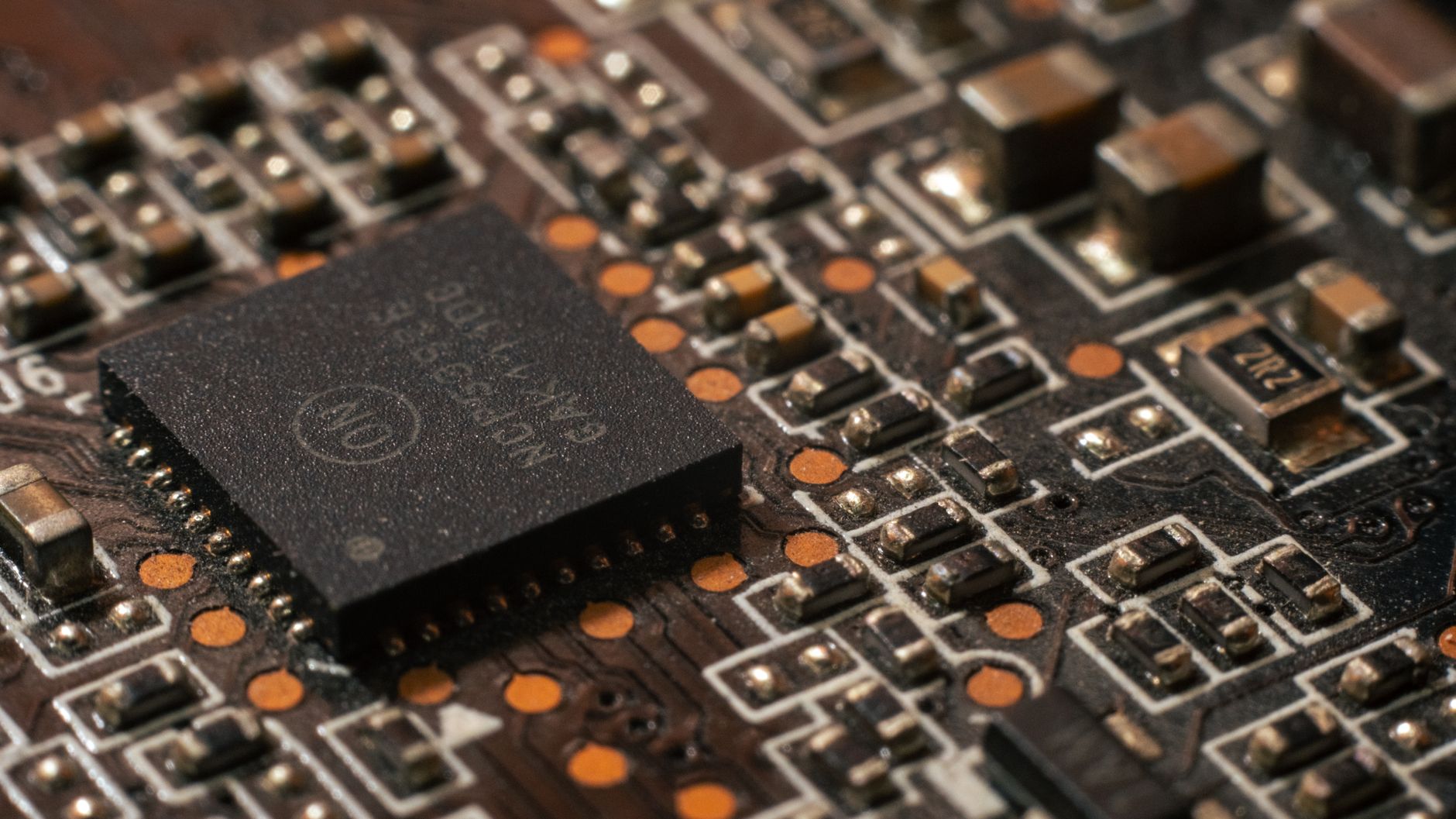
From a technological standpoint, access to advanced semiconductors is crucial for the development of robust AI systems. These chips enable faster processing, improved machine learning capabilities, and enhanced data analytics. The UAE's ability to procure these technologies could lead to a ripple effect, inspiring other nations in the region to pursue similar advancements.
Moreover, the easing of export restrictions could serve as a catalyst for increased collaboration between U.S. tech companies and UAE-based startups. Partnerships in AI research and development could flourish, leading to innovative solutions tailored to the unique challenges faced by the region. This collaboration may yield benefits that extend beyond the UAE, influencing the global AI landscape.
What This Means for the UAE, Industry, and Developers
For the UAE, this policy change is a landmark opportunity. By gaining access to advanced AI chip technology, the country can significantly accelerate its national AI strategy. This access can lead to the development of new applications and services that improve efficiency across various sectors.
From an industry perspective, this move could spark a competitive environment among tech companies vying for contracts in the UAE. Companies that specialize in semiconductor manufacturing and AI development will likely see an increase in demand, leading to potential growth opportunities. Additionally, startups focusing on AI applications may benefit from increased investment and support from both the U.S. and local investors.
For developers, the implications are even more pronounced. With new tools and resources becoming available, developers in the UAE will have the means to create next-generation applications. The access to advanced chips will enable them to develop more sophisticated algorithms and AI models, enhancing their capacity to innovate.
Frequently Asked Questions
What types of technologies are included in the eased export restrictions?
The eased restrictions primarily focus on advanced semiconductor technologies, which are essential for the development of artificial intelligence systems.
How will this impact the UAE's economy?
This policy change is expected to bolster the UAE's economy by enabling it to enhance its technological capabilities, attract foreign investment, and create new jobs in the tech sector.
Are there any concerns regarding national security?
While the U.S. has eased restrictions, it continues to monitor the situation closely to ensure that technologies are not used for military purposes or to enhance the capabilities of adversarial nations.
What does this mean for U.S. tech companies?
U.S. tech companies are likely to see new business opportunities in the UAE, as the demand for advanced technologies and AI solutions increases.
The Road Ahead
Looking forward, the easing of export restrictions on advanced technologies to the UAE could signal a new era of collaboration and innovation in the field of artificial intelligence. As the UAE embraces these technologies, it is poised to become a leader in AI development in the Middle East, potentially influencing tech trends globally.
This development may also prompt other nations to reassess their technology export policies. As countries recognize the strategic importance of AI, we could see a shift towards more open trade practices that facilitate technological advancement. The implications of this policy change extend far beyond the UAE, as it may lead to a reconfiguration of global tech alliances and competition.