The Escalating AI Arms Race in Technical Interviews
As artificial intelligence (AI) technologies continue to evolve, their impact on various sectors becomes more profound. One area experiencing significant disruption is the technical interview process for software engineering roles. Candidates are increasingly turning to AI tools to enhance their performance during interviews, leading to a rapidly escalating arms race between job seekers and employers. This dynamic is reshaping not only how candidates prepare for interviews but also how companies assess talent.
Key Takeaways
- The use of AI tools by candidates during technical interviews is on the rise, providing real-time assistance and support.
- Employers are responding by adjusting their interview processes, often making them more challenging to offset AI advantages.
- This arms race raises ethical questions about the fairness and integrity of the hiring process.
- The trend underscores the necessity for candidates to possess not only technical skills but also strategic thinking and adaptability.
- Ultimately, both candidates and employers must navigate this changing landscape to find common ground in hiring practices.
Understanding the Current Landscape
The software engineering job market is highly competitive, and candidates are finding innovative ways to distinguish themselves. As AI tools become more sophisticated, candidates are using them to gain an edge in technical interviews. These tools can provide instant feedback, suggest responses in real-time, and even simulate coding challenges, enabling applicants to present their skills more effectively. This shift is not just a minor trend; it represents a fundamental change in how candidates prepare for and navigate the interview process.
On the other side of the equation, employers are becoming increasingly aware of these tactics. Many are adapting their interview processes to counteract the advantages that AI tools confer on candidates. This includes designing more complex problems, implementing stricter evaluation criteria, and even utilizing AI themselves to assess candidate responses. The result is a rapidly evolving landscape where both sides are engaged in a continual game of catch-up, leading to an AI arms race in technical interviews.
Why This Matters
The implications of this arms race extend beyond individual candidates and employers. As AI tools become more prevalent in the hiring process, they could fundamentally alter the criteria for assessing talent in the technology sector. This shift could lead to a situation where technical prowess is overshadowed by the candidate's ability to effectively use AI tools, raising questions about the skills that are truly valuable in the workforce.
Additionally, the increasing reliance on AI in interviews could introduce biases that affect hiring decisions. For instance, if AI tools are used to filter candidates or evaluate responses, there is a risk that they could reinforce existing biases present in the training data. This could lead to a less diverse workforce and limit opportunities for underrepresented groups in tech. As such, the arms race in technical interviews not only reflects the competitive nature of hiring in the tech industry but also highlights broader ethical and societal issues that must be addressed.
Background and Context
The evolution of technical interviews has a long history, with various methods being employed to assess candidates' skills. Traditionally, candidates faced a series of algorithm and data structure problems designed to evaluate their coding abilities. This approach was often criticized for its heavy reliance on theoretical knowledge, which did not necessarily translate to real-world problem-solving skills.
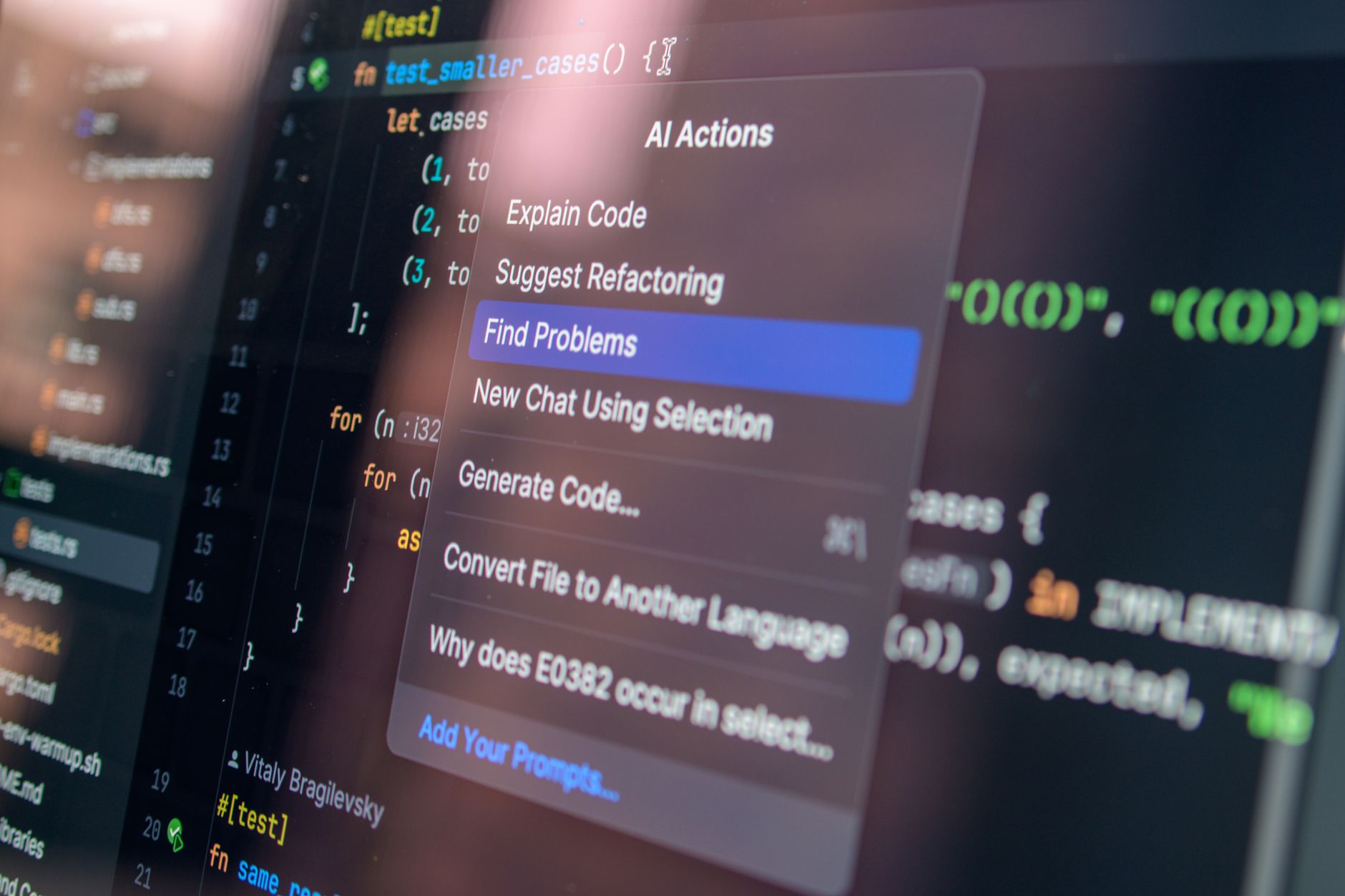
With the advent of AI, the dynamics of technical interviews are changing. AI-powered coding assistants, such as GitHub Copilot and other similar tools, can now help candidates generate code snippets, debug issues, and even suggest entire solutions on the fly. This not only enhances the candidate's performance but also raises questions about the authenticity of their skills and problem-solving capabilities.
Expert Analysis
The integration of AI into technical interviews represents a double-edged sword. On one hand, these tools can democratize access to information and resources, allowing candidates from diverse backgrounds to perform better. On the other hand, they create an uneven playing field where those who can harness these tools effectively may outshine their less tech-savvy peers.
Moreover, the use of AI in interviews tests not only a candidate's technical skills but also their adaptability and strategic thinking. Candidates must now consider not just how to answer a question correctly, but also how to leverage AI tools to maximize their performance. This adds a new layer of complexity to the interview process and requires candidates to possess a broader skill set.
For employers, the challenge lies in designing interviews that fairly assess candidates while accounting for the use of AI tools. This may necessitate a shift in focus from purely technical questions to more holistic assessments that gauge a candidate's ability to think critically and apply their knowledge in real-world scenarios. As the arms race continues, companies may need to innovate their hiring processes to ensure they can identify the best talent, regardless of the tools candidates choose to use.
What This Means for Candidates and Employers
For candidates, this evolving landscape necessitates a shift in how they prepare for interviews. Relying solely on technical skills is no longer sufficient; candidates must also become adept at using AI tools to enhance their performance. This might involve familiarizing themselves with the latest coding assistants and understanding how to effectively integrate these tools into their problem-solving processes.
Employers, in turn, must recognize that the traditional interview formats may no longer suffice. They should consider re-evaluating the metrics they use to assess candidates and explore new methodologies that account for the use of AI. This could involve incorporating behavioral assessments, situational interviews, and collaborative exercises that allow candidates to demonstrate their skills in a more realistic context.
Frequently Asked Questions
1. Are candidates penalized for using AI tools during interviews?
While some companies may have policies against the use of AI tools during interviews, many are still figuring out how to address this issue. It's essential for candidates to research the specific practices of the companies they are applying to.
2. How can candidates effectively prepare for AI-integrated interviews?
Candidates should familiarize themselves with popular AI coding tools and practice using them in coding challenges. Additionally, they should focus on understanding the underlying concepts rather than just memorizing answers.
3. What skills will be most valuable in the future job market?
In addition to technical skills, candidates will need to develop critical thinking, adaptability, and the ability to leverage AI tools effectively. Soft skills such as communication and teamwork will also become increasingly important.
4. How can companies ensure fairness in the interview process?
Companies can implement structured interviews that focus on a diverse range of skills and experiences. Utilizing multiple interviewers and anonymous assessments can also help reduce bias.
The Road Ahead
As the AI arms race in technical interviews continues to unfold, both candidates and employers will need to adapt to the changing landscape. For candidates, this means not only mastering technical skills but also learning how to effectively use AI tools to enhance their performance. Employers, on the other hand, must reconsider their interview strategies to ensure they are fairly assessing talent in an environment increasingly shaped by technology.
Ultimately, the future of technical interviews will likely involve a blend of traditional skills assessment and innovative methods that account for AI's role in the hiring process. As both sides navigate this evolving dynamic, the ability to adapt and innovate will be key to success in the tech job market.