UK Proposes Midnight Social Media Curfew for Teens: What to Know
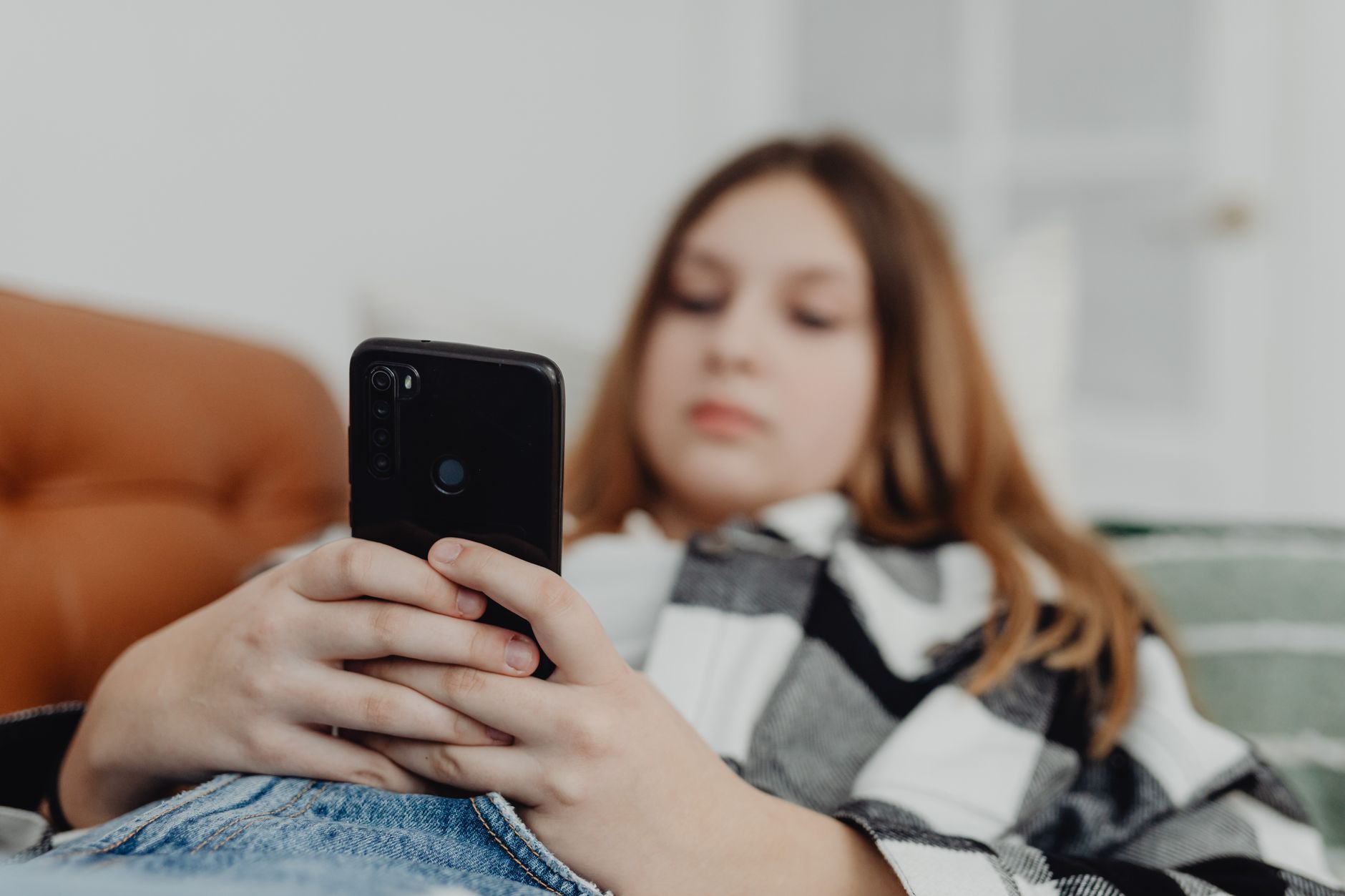
The UK government has moved to propose a controversial midnight social media curfew for teenagers aged 16 and 17, aiming to reduce digital dependency and improve mental health outcomes among young users. While the initiative is framed as a progressive step towards safeguarding the well-being of adolescents, critics argue it falls short of addressing deeper systemic issues related to the digital landscape and youth welfare.
Key Takeaways
- The UK government proposes a midnight curfew on social media access for teens aged 16 and 17.
- Supporters believe it can mitigate mental health issues linked to social media use.
- Critics view it as a missed opportunity to tackle broader digital safety concerns.
- The proposal has reignited debates over digital rights and parental control.
- Implementation details remain unclear, including enforcement mechanisms.
What Happened
The proposed midnight curfew on social media for teenagers in the UK comes amidst rising concerns about the effects of digital engagement on mental health. The government asserts that restricting access during late-night hours would help alleviate issues such as anxiety, depression, and sleep disruption, which have been increasingly linked to excessive social media use. This initiative appears to align with a growing body of research that highlights the negative repercussions of overnight screen time on adolescent health.
In recent years, studies have shown a notable correlation between late-night social media engagement and deteriorating mental health among teens. For instance, a systematic review published in the journal *Cyberpsychology, Behavior, and Social Networking* found that adolescents who engaged with social media late at night were more likely to report symptoms of depression and anxiety. The UK government is seeking to intervene in this trend, thus prompting the introduction of a formal curfew policy.
While the government emphasizes the curfew as a protective measure, campaigners argue that it overlooks the complexities of adolescent behavior and disregards the need for a more comprehensive approach to digital literacy and mental health support. Critics have labeled the proposal a “missed opportunity,” suggesting that it fails to address the root causes of youth distress and instead focuses narrowly on curtailing digital access.
Why This Matters
This curfew proposal is significant not only for its direct impact on social media use among teenagers but also for its broader implications for digital rights and parental authority. As society grapples with the challenge of balancing online safety against the autonomy of young individuals, this initiative raises critical questions about the role of government in regulating digital environments.
In a world increasingly influenced by social media, the proposed curfew might set a precedent for further governmental intervention in digital life. For example, if the curfew is successful in its stated aims, it could lead to additional regulations targeting different aspects of online behavior, potentially undermining the freedoms that young people have come to expect in the digital age. The fine line between protection and restriction will be a focal point of ongoing discussions as this proposal moves forward.
Background and Context
The conversation surrounding youth engagement with social media is not new. In recent years, numerous studies have drawn attention to the impacts of online interactions on the mental health of adolescents. Mental health organizations have consistently reported a surge in cases linked to excessive social media use, prompting calls for intervention from various stakeholders, including parents, educators, and mental health professionals.
In the UK, the issue has gained traction following the publication of reports that detail alarming statistics about adolescent mental health. According to the Office for National Statistics (ONS), more than one in eight children aged 5 to 19 had a probable mental disorder in 2020, a significant rise from previous years. This backdrop of increasing mental health challenges has led policymakers to explore new avenues for intervention, including curfews and other regulatory measures aimed at mitigating the influence of social media.
Expert Analysis
From a psychological perspective, the proposed curfew addresses a legitimate concern: the impact of screen time on adolescent sleep and mental health. Sleep experts assert that late-night screen exposure can interfere with the body’s natural circadian rhythms, leading to insufficient rest and subsequently affecting mood, cognitive function, and overall well-being. By instituting a curfew, the government aims to promote healthier habits and mitigate these adverse effects.
Nonetheless, the proposal is not without its drawbacks. Critics posit that merely restricting access does not solve the underlying issues of dependency and addictive behavior associated with social media platforms. For many young people, social media serves as a primary means of social interaction, and limiting access could inadvertently lead to feelings of isolation and exclusion. Rather than imposing restrictions, experts advocate for the implementation of educational programs aimed at fostering digital literacy and resilience among adolescents, equipping them with the tools to navigate online challenges effectively.
Additionally, the curfew raises questions about enforcement. Will parents be expected to monitor their children's online activities? What mechanisms will be put in place to ensure compliance? Without clear strategies for oversight, the effectiveness of the curfew could be compromised, leaving parents and teens in a challenging predicament.
What This Means for Teens, Parents, and Educators
The proposed midnight curfew has far-reaching implications for various stakeholders, including teens, parents, and educators. For teenagers, the curfew could feel like an intrusion into their private lives, possibly leading to resentment towards authority figures and resistance to regulation. As social media is often a vital space for teenagers to express themselves and connect with peers, limiting access could disrupt their social dynamics.
For parents, this initiative might provide a sense of relief, as it offers a structured approach to managing their children’s screen time. However, it also places the onus of enforcement largely on them, raising concerns about the feasibility of monitoring their children's online behavior effectively. Many parents may struggle with the balance of ensuring their child's safety while respecting their autonomy.
Educators, too, have a stake in this conversation. As trusted figures in the lives of young people, teachers and school administrators must navigate the implications of the curfew within academic settings. It may necessitate a shift in how digital literacy is taught, with an emphasis on fostering healthy online habits and encouraging open discussions about the challenges associated with social media use.
Frequently Asked Questions
What age group does the proposed curfew apply to?
The curfew is proposed for teenagers aged 16 and 17 in the UK.
How will the curfew be enforced?
The specifics of enforcement remain unclear, with many questioning whether parents will bear the responsibility of monitoring their children's social media usage.
What are the potential benefits of the curfew?
The curfew aims to promote better mental health among adolescents by reducing late-night social media usage, which has been linked to anxiety and sleep issues.
Are there any alternatives to the curfew being discussed?
Critics of the curfew advocate for educational programs focused on digital literacy and resilience, which might provide a more comprehensive approach to addressing the challenges posed by social media.
The Road Ahead
As the UK government moves forward with this proposal, the conversation surrounding digital regulation and adolescent welfare will undoubtedly intensify. Stakeholders across the board — from policymakers to parents to educators — must grapple with the implications of such a curfew, considering both the potential benefits and pitfalls. The focus must shift towards holistic approaches that empower young people to make informed decisions about their digital lives, rather than merely restricting access.
Looking ahead, it will be essential for the government to engage with mental health professionals, educators, and youth advocates to refine this proposal. Collaborative efforts could produce a more nuanced framework that balances protection with the need for autonomy, ultimately creating a healthier digital environment for the next generation.