The Rise of Armed Robots: Silicon Valley's Military Tech Revolution
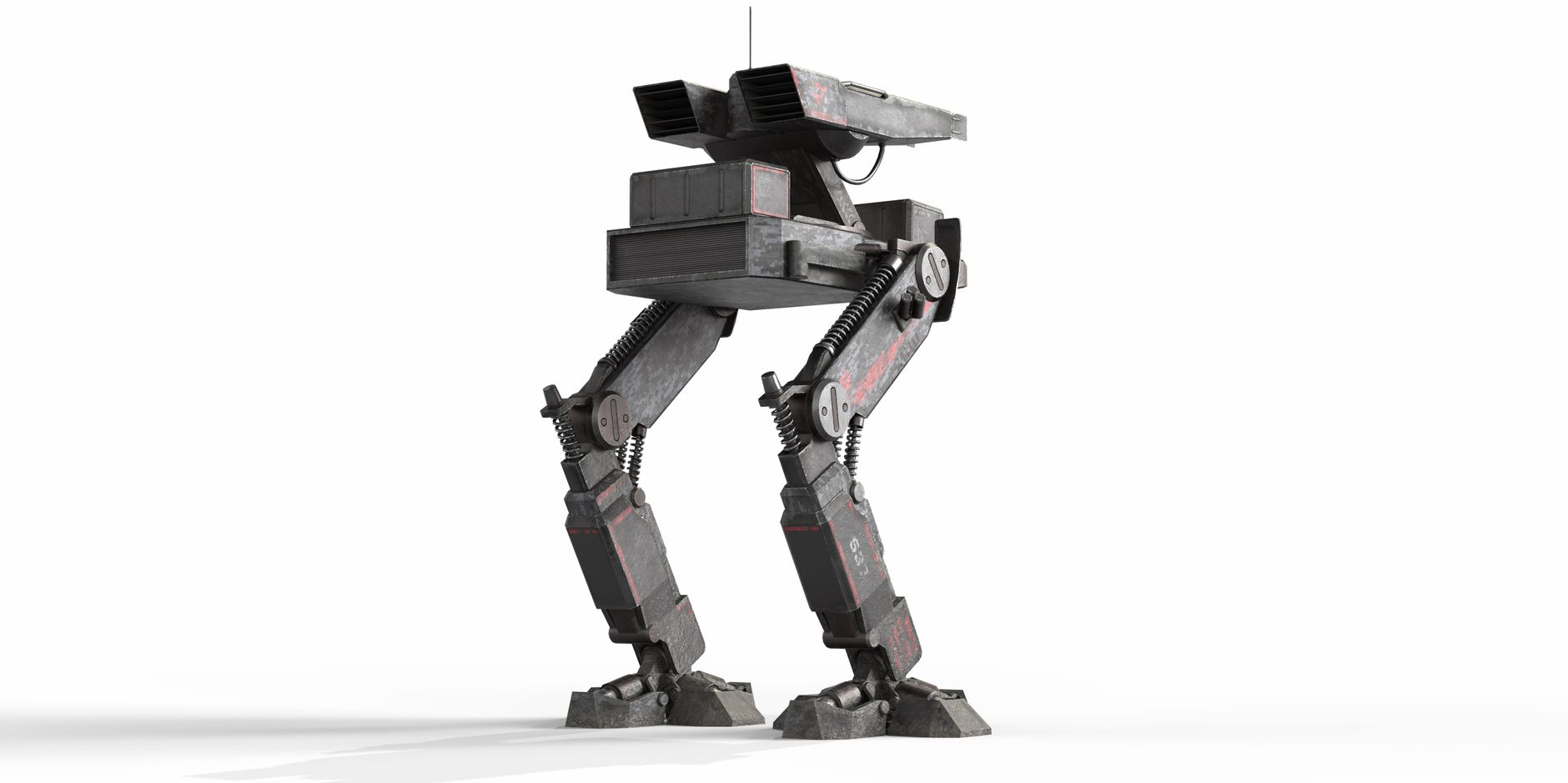
The military landscape is undergoing a profound transformation as Silicon Valley's tech giants position armed robots as the future of warfare. The prospect of autonomous weapons raises crucial questions about ethics, accountability, and the very nature of combat. This shift, fueled by advancements in artificial intelligence (AI) and robotics, signals not just a technological evolution but a potential redefinition of warfare itself.
Key Takeaways
- Silicon Valley is increasingly focusing on the development of armed robotic systems for military applications.
- The U.S. administration is advocating for the adoption of AI-driven systems that can autonomously select and engage targets.
- Concerns about the ethical implications of autonomous weapons are intensifying among experts and activists.
- Proponents argue that armed robots could reduce human casualties, while critics warn of potential misuse and lack of accountability.
- The debate over armed robots highlights broader discussions about the future of warfare and the role of AI in combat scenarios.
Understanding the Shift Towards Armed Robots
The push for armed robots marks a turning point in military strategy. Traditionally, the military has relied on human soldiers to make life-and-death decisions in combat. However, with rapid advancements in AI, the idea of machines taking over these roles is gaining traction. The current administration is actively encouraging military leaders to explore AI technologies that could allow for autonomous targeting and engagement — a shift that challenges decades of military doctrine.
In recent months, Silicon Valley companies have been at the forefront of this movement, presenting prototypes and concepts for armed robots capable of performing complex combat tasks. This aligns with a broader trend in which technology is being harnessed to enhance military capabilities, ensuring that the U.S. remains competitive on the global stage.
These developments have prompted a wave of interest, not just from the military, but also from defense contractors and tech startups aiming to capitalize on the burgeoning market for military robotics. As companies race to secure funding and contracts, a new arms race is emerging — one defined not by traditional weapons but by intelligent machines programmed to act on their own.
Why This Matters
The implications of deploying armed robots extend far beyond the battlefield. At the core of this discussion is the ethical dilemma of allowing machines to make decisions regarding life and death. Automation in warfare raises significant questions about accountability; if an autonomous system makes a mistake, who is held responsible? This dilemma is exacerbated by the potential for unintended consequences in complex combat environments.
Furthermore, the introduction of armed robots could alter the dynamics of warfare itself. In theory, these machines could minimize human casualties by taking on the most dangerous roles traditionally occupied by soldiers. However, the risk of over-reliance on technology could lead to hasty decisions and escalation of conflicts, with machines potentially engaging in combat without sufficient human oversight.
As nations around the world grapple with these challenges, the U.S. military's embrace of armed robots may set a precedent that other countries will follow, potentially leading to a global arms race in autonomous weaponry. The ramifications of these decisions will reverberate through international relations and military strategy for years to come.
Background and Context
The concept of using robots in warfare is not new. For decades, militaries have employed unmanned aerial vehicles (UAVs), commonly known as drones, to conduct surveillance and precision strikes. However, the move towards fully autonomous systems that can identify and engage targets without human intervention represents a significant leap forward in military technology.
This shift coincides with the rapid advancement of AI technologies, which are becoming increasingly sophisticated in their ability to analyze data and make decisions. Machine learning algorithms can process vast amounts of information, potentially allowing armed robots to assess threats and respond in real time. These capabilities are attractive to military planners looking to enhance operational effectiveness and reduce risks to human soldiers.
Expert Analysis
The discussion surrounding armed robots is layered with complexities that require nuanced understanding. On one hand, proponents argue that these technologies could enhance the precision and efficiency of military operations. For instance, robotic systems equipped with AI could theoretically minimize collateral damage by making more accurate targeting decisions based on real-time data analysis.
On the other hand, the potential for misuse and ethical violations cannot be ignored. The possibility of machines making decisions based on flawed algorithms or biased data raises significant ethical questions. If an armed robot misidentifies a target, the consequences could be catastrophic, leading to civilian casualties and international outrage.
Moreover, the lack of transparency in how these systems make decisions poses a challenge for accountability. As military AI systems become more complex, it may become increasingly difficult to understand the reasoning behind their actions. This opacity could hinder efforts to hold military officials accountable for the deployment of such systems.
Experts emphasize the need for clear regulations governing the use of armed robots. Establishing guidelines that prioritize ethical considerations and accountability is essential to ensure that these technologies are used responsibly. Failure to address these issues could lead to a future where armed robots operate without sufficient oversight, raising the specter of autonomous warfare that lacks checks and balances.
What This Means for Military Personnel and Policymakers
As the military contemplates incorporating armed robots into its arsenal, both military personnel and policymakers must navigate a landscape fraught with challenges. For soldiers, the introduction of autonomous weapons raises questions about their roles on the battlefield. Will human soldiers be replaced, or will they serve alongside machines? The integration of robotics could redefine traditional military hierarchies and change the nature of combat.
Policymakers face the daunting task of establishing a framework that balances innovation with ethical considerations. Developing regulations that govern the use of armed robots will be paramount in preventing misuse and ensuring accountability. This requires collaboration among military leaders, technologists, ethicists, and lawmakers to create comprehensive guidelines that address both operational needs and moral responsibilities.
Additionally, as armed robots become a reality, the military will need to invest in training programs that prepare personnel for working alongside these technologies. Understanding the capabilities and limitations of robotic systems will be crucial for maximizing their effectiveness in combat scenarios while minimizing risks.
Frequently Asked Questions
What are armed robots, and how do they work?
Armed robots are autonomous systems designed to perform military tasks, including identifying and engaging targets without human intervention. These systems rely on AI algorithms to analyze data and make decisions in real time.
What are the ethical concerns surrounding armed robots?
Ethical concerns include accountability for decisions made by machines, the potential for misuse, and the risk of civilian casualties. There are also concerns about the lack of transparency in how these systems operate and make decisions.
How could armed robots change warfare?
Armed robots could change warfare by enhancing precision and reducing human casualties. However, they could also lead to a reliance on technology that encourages hasty decisions and potentially escalates conflicts.
What regulations are being proposed for the use of armed robots?
Proposed regulations emphasize the need for ethical guidelines governing the deployment of armed robots, including accountability measures and oversight to prevent misuse and ensure responsible use of technology.
The Road Ahead
The future of armed robots in military applications is both exciting and fraught with challenges. As technology continues to evolve, the military's reliance on autonomous systems is likely to increase. This shift presents an opportunity for enhanced operational effectiveness, but it also necessitates careful consideration of the ethical implications and risks involved.
Moving forward, establishing clear regulations and ethical guidelines will be crucial for ensuring that armed robots are used responsibly. Policymakers, military leaders, and technologists must collaborate to navigate this complex landscape and prioritize accountability and transparency. As nations grapple with these challenges, the implications of armed robots will resonate in the broader context of international relations and global security.