Turkey's Innovative Leap in the Hair Transplant Industry
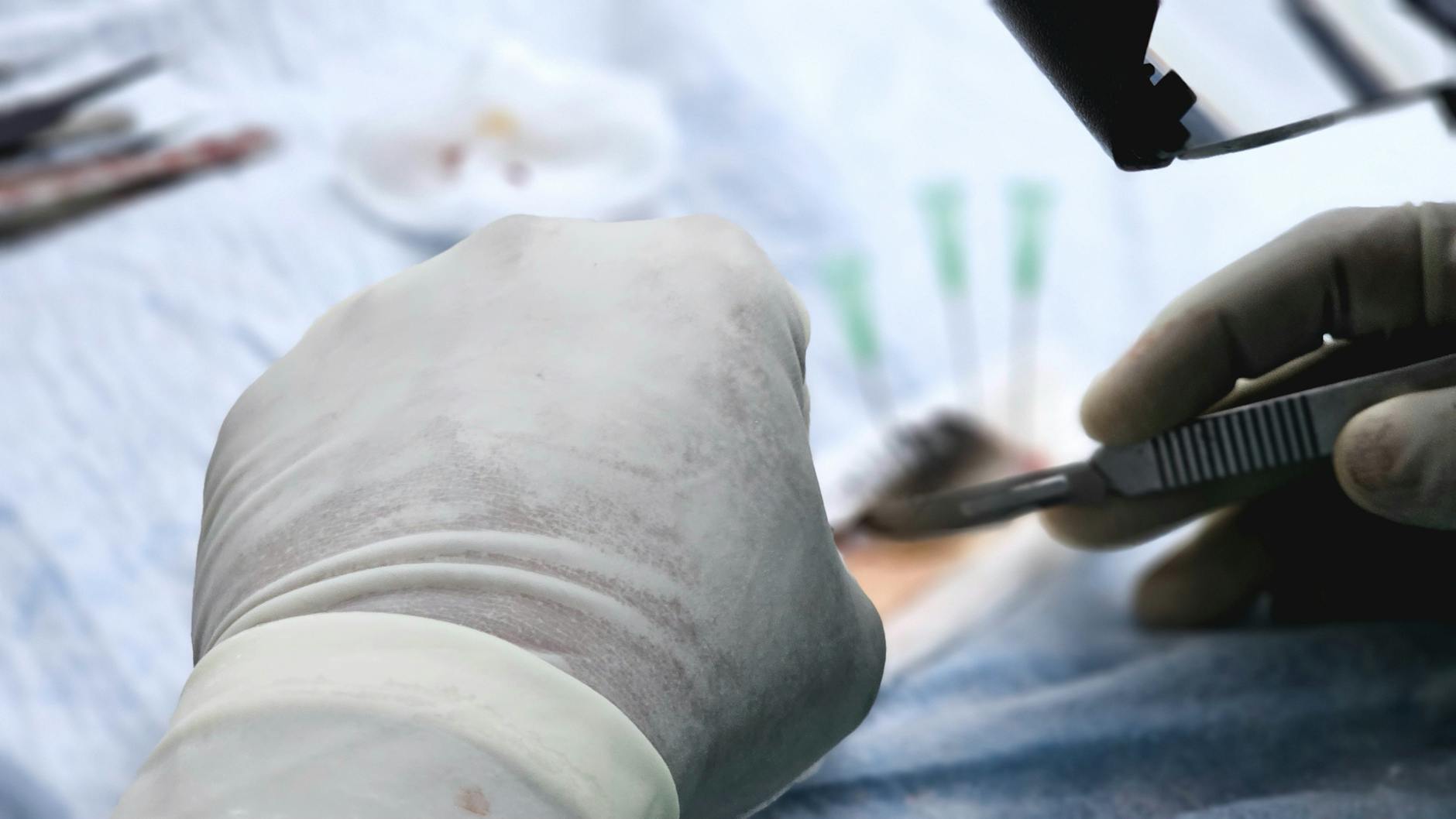
Turkey has emerged as a titan in the hair transplant industry, leveraging a unique blend of innovation, technological advancements, and strategic marketing. As millions worldwide seek solutions to hair loss, Turkey’s clinics have positioned themselves as leaders in the field, transforming a niche medical procedure into a booming global enterprise. This article dives deep into how Turkey has effectively 'hacked' the hair transplant industry, exploring the technological innovations that have fueled its rise and the implications for both consumers and competitors.
Key Takeaways
- Turkey’s hair transplant industry is now worth over a billion dollars, driven by affordability and quality.
- Advanced technologies, including specialized motors and machine learning algorithms, enhance the efficiency and effectiveness of procedures.
- The strategic marketing of Turkish clinics has attracted international patients, especially from Western countries.
- Regulatory frameworks and medical tourism dynamics play a crucial role in shaping the industry's landscape.
- Future innovations may further disrupt the market, emphasizing the need for continuous adaptation by competitors.
The Rise of Turkey's Hair Transplant Industry
The hair transplant industry in Turkey has seen explosive growth over the past decade, with estimates placing its value at approximately $2 billion. This surge can be attributed to a combination of lower costs, high-quality medical care, and the strategic positioning of Turkey as a hub for medical tourism. Clinics in cities like Istanbul have become synonymous with hair restoration, attracting thousands of international patients seeking effective and affordable solutions for hair loss.
One key factor that sets Turkey apart is its use of advanced technology in hair transplant procedures. Clinics are adopting specialized motors and machine learning algorithms to improve the precision and outcomes of surgeries. These innovations not only enhance the overall experience for patients but also help clinics manage higher volumes of cases with increased efficiency, which is critical given the competitive nature of the market.
Why This Matters
The implications of Turkey's dominance in the hair transplant industry extend beyond just economic metrics. For patients, the availability of affordable, high-quality care means more people have access to treatments that were once considered luxuries. This democratization of medical procedures allows individuals to regain confidence and improve their quality of life.
On a broader scale, Turkey's success poses challenges for the hair transplant industry in other countries. As Turkish clinics continue to innovate and streamline their operations, they set new standards that competitors need to meet. This creates a ripple effect, encouraging clinics worldwide to adopt new technologies and improve their service offerings to maintain their market positions.
Background and Context
The hair transplant procedure itself has been around for decades, but it gained significant attention in the 1990s with the advancement of follicular unit transplantation (FUT) and later follicular unit extraction (FUE). These techniques revolutionized hair restoration by allowing for more natural-looking results and less invasive procedures. As demand grew, countries like Turkey began to capitalize on the opportunity by offering these advanced techniques at competitive prices.
Turkey's health care system has also played a pivotal role in this growth. With a well-established medical infrastructure and a focus on medical tourism, the country positioned itself as a go-to destination for individuals seeking cosmetic procedures. The combination of trained specialists and the availability of state-of-the-art technology has made Turkish clinics appealing to patients from diverse backgrounds.
Expert Analysis
The success of Turkey's hair transplant industry can be attributed to several interrelated factors. First, the country's economic conditions allow for lower operational costs compared to Western nations, enabling clinics to offer procedures at a fraction of the price seen elsewhere. For instance, a hair transplant in the U.S. may cost between $4,000 to $15,000, while in Turkey, patients often pay between $1,500 to $3,000 for similar services.
Second, the integration of advanced technologies such as robotic assistance and machine learning algorithms has set Turkish clinics apart. By utilizing specialized motors for hair extraction, these clinics enhance the precision of procedures, leading to better cosmetic outcomes. Machine learning algorithms can also assist in pre-surgery assessments, predicting potential complications and optimizing individual treatment plans.
Furthermore, marketing strategies that highlight customer testimonials and showcase successful transformations have been instrumental in attracting international clients. Social media platforms and online forums play a significant role in spreading awareness and building trust among potential patients. The visibility of before-and-after photos and positive experiences shared by previous clients create a compelling narrative that resonates with those considering hair restoration.
What This Means for Patients and Clinics
For patients, the implications of Turkey's advancements in the hair transplant industry are profound. The low-cost, high-quality options available not only make hair restoration more accessible but also encourage individuals who might have otherwise avoided such procedures due to financial constraints. With clinics competing for patients, there is a strong incentive for them to continuously improve their services and results, leading to better overall experiences.
For clinics outside Turkey, the challenge lies in adapting to this rapidly changing landscape. As Turkish clinics set the bar higher with their innovative practices, competitors must respond by either adopting similar technologies or differentiating themselves through specialized services or superior customer care. The rise of Turkey as a leader in this field may also inspire collaborations and partnerships across borders, as clinics worldwide seek to learn from Turkey's successful model.
Frequently Asked Questions
What makes Turkey a leader in the hair transplant industry?
Turkey's leadership in the hair transplant industry stems from its combination of lower costs, high-quality medical care, and advanced technologies, making it an attractive destination for international patients.
How much does a hair transplant cost in Turkey compared to other countries?
A hair transplant in Turkey typically ranges from $1,500 to $3,000, while similar procedures in countries like the U.S. can cost between $4,000 to $15,000.
What technologies are used in Turkish hair transplant clinics?
Turkish clinics employ specialized motors for hair extraction and machine learning algorithms to enhance the precision and effectiveness of procedures.
How can patients ensure they choose a reputable clinic in Turkey?
Patients should conduct thorough research, including reading reviews, checking qualifications of the medical staff, and looking for clinics accredited by international health organizations.
The Road Ahead
Looking forward, the hair transplant industry in Turkey is poised for continued growth and innovation. As advancements in technology accelerate, we may soon see even more sophisticated solutions like AI-driven scalp assessments and personalized treatment plans tailored to individual genetic profiles. These innovations could not only enhance outcomes but also streamline the patient experience, making the process even more accessible and efficient.
Moreover, as the competition heats up, we can expect Turkish clinics to further refine their marketing strategies, emphasizing transparency and patient education. By fostering trust and clarity, clinics can solidify their positions as industry leaders, ultimately benefiting consumers who seek quality care at reasonable prices.