Challenges of Orbital Data Centers: Insights from Starcloud's CEO
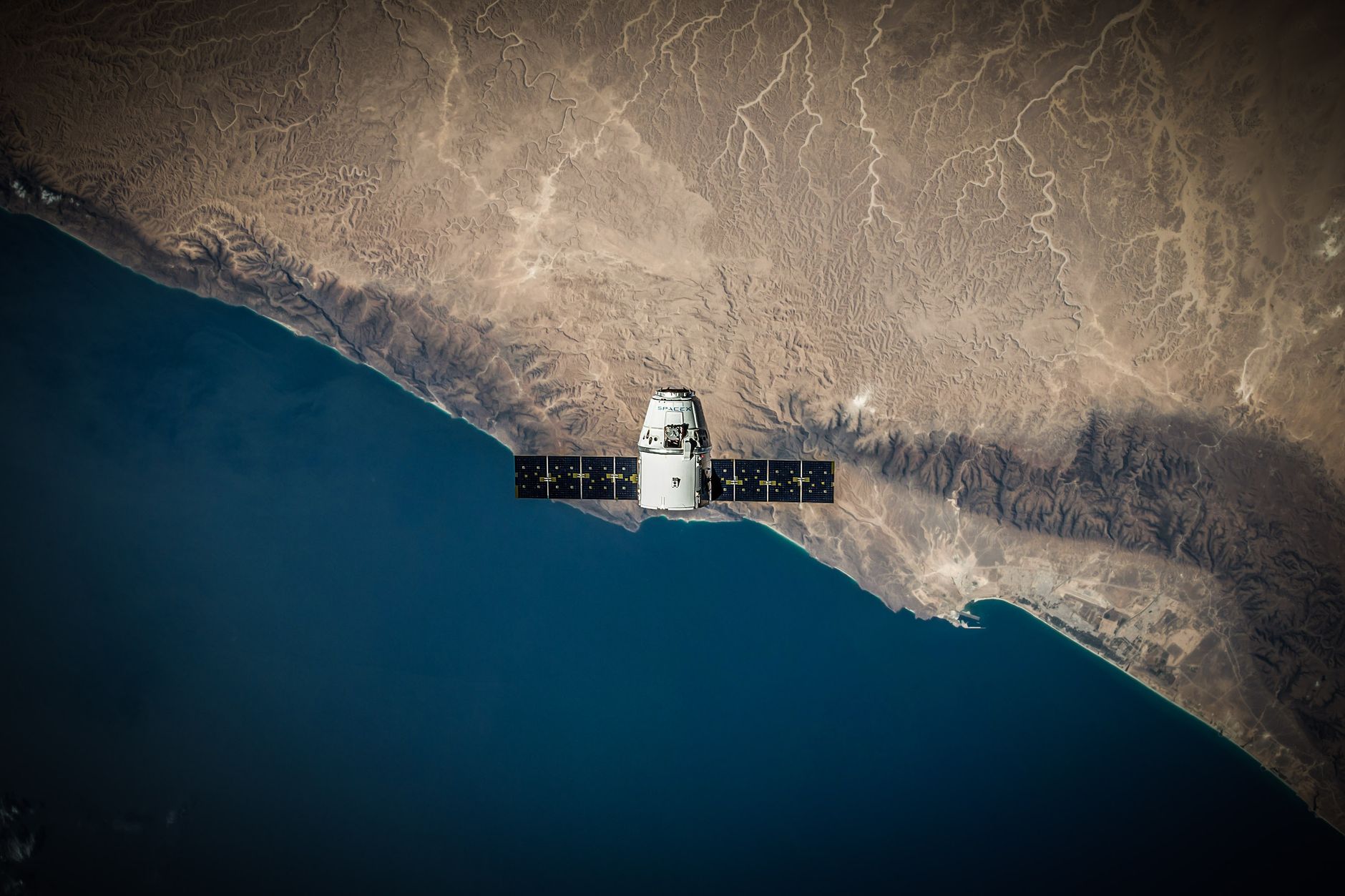
As the ambition to harness the vastness of space for technological advancements grows, so do the challenges associated with it. The recent discussions led by Philip Johnston, CEO of Starcloud, highlight the unique hurdles in establishing and running orbital data centers, especially as companies like SpaceX aim to deploy an astounding 100 gigawatts of AI compute capacity in orbit. This vision, while groundbreaking, brings forth numerous technical, logistical, and regulatory challenges that must be addressed to realize the promise of space-based computing.
Key Takeaways
- SpaceX plans to deploy 100 gigawatts of AI compute capacity in orbit, marking a significant investment in space infrastructure.
- Orbital data centers face unique challenges, including radiation exposure, thermal management, and maintenance.
- The potential for global data processing and storage in space could revolutionize industries ranging from telecommunications to scientific research.
- Regulatory hurdles and international agreements will be crucial in governing the deployment of orbital data centers.
- Collaboration between private companies and governmental agencies is essential for the success of space-based data infrastructures.
Understanding Orbital Data Centers
Orbital data centers are envisioned as the next frontier in data storage and processing, leveraging the unique environment of space to overcome some of the limitations faced by terrestrial data centers. These facilities would operate in low Earth orbit (LEO), where they could potentially offer reduced latency for global communications and processing, particularly for applications requiring real-time data analysis.
In a recent segment on Bloomberg Technology, Philip Johnston articulated the ambitious goals set forth by SpaceX, aiming to deploy a staggering 100 gigawatts of AI computational power in orbit. This announcement signals a significant shift in how we think about data processing and storage. The capability to manage vast quantities of data in space could provide unprecedented advantages in sectors such as telecommunications, scientific research, and even artificial intelligence applications.
Why This Matters
The implications of establishing orbital data centers extend far beyond the technical challenges they face. As society becomes increasingly reliant on data-driven decision-making, the need for robust, efficient, and scalable computing resources becomes critical. By moving data processing to space, we can potentially alleviate the congestion on terrestrial networks and tap into the vast expanse of the universe for computational power.
Moreover, the establishment of these data centers could serve as a catalyst for new technological innovations and economic opportunities. The potential for low-latency data processing, enhanced by the unique environment of space, could lead to breakthroughs in various fields, from climate modeling to virtual reality. This shift may also encourage new business models, focusing on space-based services and applications, further stimulating growth in the aerospace and tech industries.
Background and Context
The concept of orbital data centers is not entirely new, but it has gained momentum in recent years due to advancements in satellite technology and increasing investments in space infrastructure. Companies like SpaceX and Blue Origin have paved the way for a new era of commercial space exploration, creating a competitive landscape for the development of space-based services.
Historically, data centers have faced challenges related to energy consumption, cooling, and physical space limitations. Moving these operations to orbit presents a unique solution to some of these issues. However, it also introduces a set of new challenges that need to be addressed before such a vision can be realized on a large scale.
Expert Analysis
Johnston's insights into the challenges of orbital data centers shed light on several critical issues that must be navigated to achieve successful operations in space. One of the primary challenges is radiation exposure. Unlike terrestrial environments, space is filled with cosmic radiation that can interfere with electronic systems. Designing hardware that can withstand these conditions, while still being efficient, will require significant innovation.
Thermal management poses another considerable challenge. Data centers generate substantial heat during operation, and without a robust system to manage this heat, components can fail. In space, traditional cooling methods cannot be employed, necessitating the development of new technologies to effectively dissipate heat.
Furthermore, maintenance and repair present significant logistical hurdles. Once a data center is deployed in orbit, accessing it for repairs will be far more complicated than on the ground. This limitation will require companies to design systems with built-in redundancy, ensuring that they can continue functioning even in the event of component failures.
Lastly, the regulatory landscape surrounding space operations adds another layer of complexity. As more countries and private entities enter the space race, establishing clear guidelines and agreements on how these resources will be used is essential. The lack of governance can lead to conflicts and inefficiencies, ultimately hindering progress.
What This Means for the Tech Industry
The advent of orbital data centers could revolutionize the tech industry in numerous ways. Companies focused on cloud computing, AI, and big data will need to adapt their strategies to incorporate the potential of space-based resources. This shift could lead to the development of new applications that take full advantage of the unique benefits offered by orbital facilities.
For developers, this means new opportunities for innovation. As more companies invest in space technologies, the demand for skilled professionals in aerospace engineering, satellite technology, and data management will likely surge. Educational institutions may need to adapt their curriculums to prepare the workforce for this burgeoning industry.
Users could also benefit from this shift, as low-latency data processing and storage solutions become more accessible. Industries such as telecommunications, healthcare, and finance may see significant advancements in their operations due to improved data processing capabilities.
Frequently Asked Questions
What are orbital data centers?
Orbital data centers are facilities that operate in space, specifically in low Earth orbit, designed for data processing and storage. They aim to leverage the unique environment of space to overcome challenges faced by terrestrial data centers.
Why is SpaceX planning to deploy 100 gigawatts of AI compute capacity?
SpaceX's initiative aims to create a vast computational resource in orbit, potentially reducing latency for global communications and enhancing data processing capabilities for various industries, including AI and telecommunications.
What challenges do orbital data centers face?
Some key challenges include radiation exposure, thermal management, maintenance logistics, and navigating the complex regulatory landscape surrounding space operations.
How could orbital data centers impact industries?
Orbital data centers could lead to significant advancements in sectors such as telecommunications, scientific research, and AI applications, ultimately driving innovation and creating new business models in the technology landscape.
The Road Ahead
The future of orbital data centers is both exciting and uncertain. As companies like SpaceX push the boundaries of what is possible in space, the potential for transforming how we process and store data is immense. However, navigating the myriad challenges associated with this ambition will require collaboration between private companies, governmental agencies, and international organizations.
Looking forward, it will be crucial for stakeholders to develop comprehensive strategies that address the technical, logistical, and regulatory hurdles facing the establishment of orbital data centers. As we stand on the cusp of a new era in data processing, the groundwork laid today will determine the level of success achieved in harnessing the power of space for our technological future.