Trump's AI Executive Order: A New Era for Government Collaboration
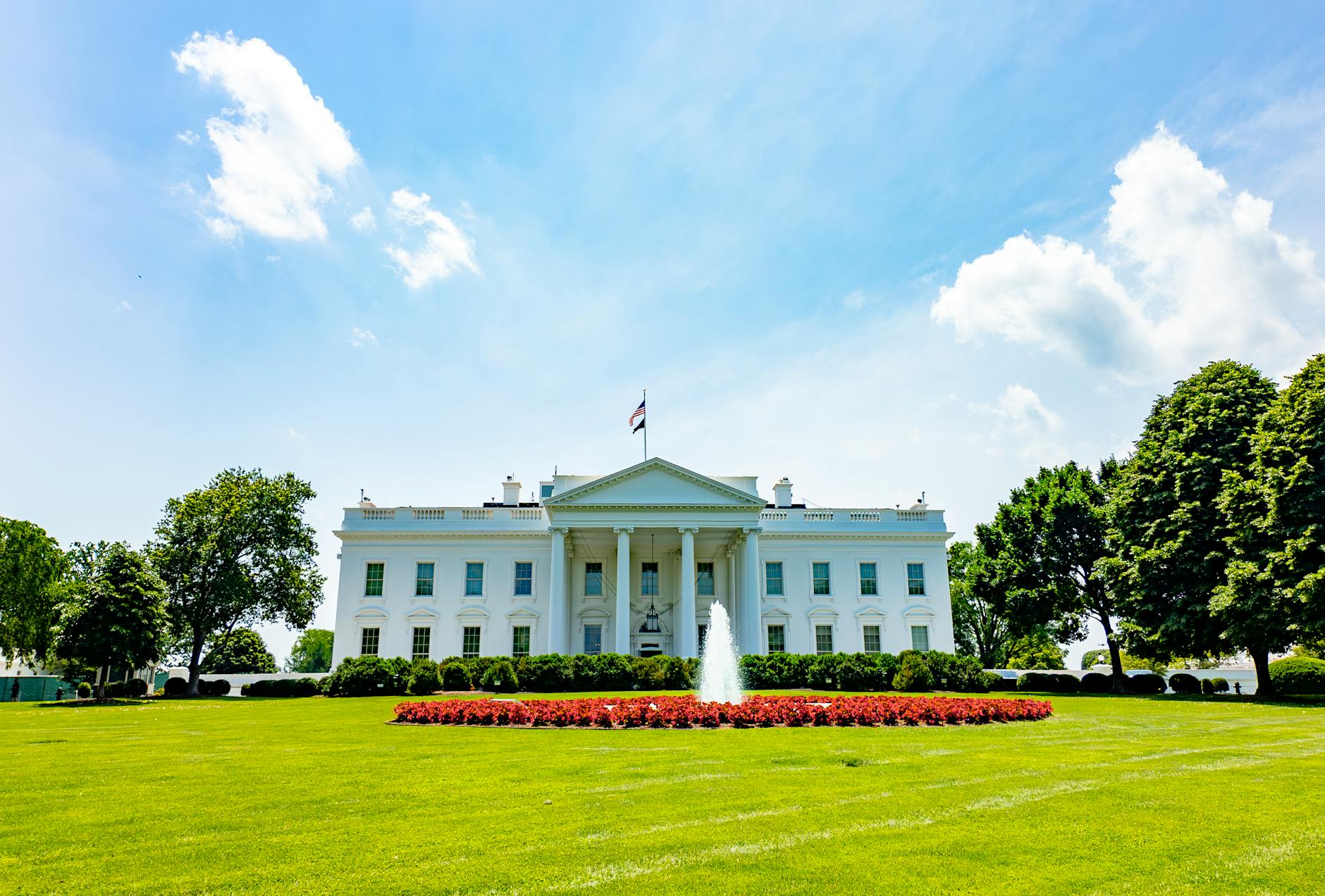
In a significant move reflecting the growing importance of artificial intelligence in national security and economic strategy, former President Donald Trump recently signed an executive order mandating that AI developers provide the U.S. government with early access to their frontier models. This initiative, while voluntary for companies, has stirred up discussions about the balance between innovation, regulation, and national security in the rapidly evolving AI landscape.
Key Takeaways
- The executive order encourages AI developers to voluntarily share access to advanced models with the government.
- This initiative aims to bolster national security and promote responsible AI development.
- The collaboration may lead to new regulatory frameworks for AI technologies.
- Concerns arise regarding privacy, intellectual property, and the potential for government overreach.
- Insights into how this order might shape the future relationship between the tech industry and government agencies.
Understanding the Executive Order
The AI executive order, signed on June 1, 2026, outlines a framework for collaboration between the U.S. government and private-sector AI developers. It is part of a broader effort by the government to harness the capabilities of advanced AI technologies while ensuring that these innovations align with national interests and security protocols. Trump emphasized the need for the government to stay at the forefront of AI development, warning that failure to do so could jeopardize the nation’s competitive edge on the global stage.
While the executive order is framed as a voluntary call to action for AI companies, the implications of compliance versus non-compliance could signal a shift in how the tech industry interacts with government entities. The order specifically targets frontier AI models, which are defined as the most advanced and capable AI systems that could potentially have far-reaching impacts across various sectors, including defense, healthcare, and finance.
Why This Matters
The implications of this executive order extend far beyond a mere request for cooperation. It represents a critical intersection between innovation and regulation, raising essential questions about the future of AI development in the United States. By encouraging early access to AI models, the government seeks to preemptively address potential risks associated with advanced technologies. This proactive approach could foster a more secure environment for AI adoption, but it also risks stifling innovation if companies feel pressured to share proprietary information.
Moreover, this executive order may set a precedent for other countries to follow, potentially leading to an international shift in how AI technologies are governed and regulated. As nations around the world compete for technological supremacy, the collaboration between private developers and government agencies could become a critical determinant of success. The order could catalyze a wave of similar initiatives globally, prompting discussions around standards, ethics, and responsibilities in AI development.
Background and Context
The conversation around AI regulation has been gaining momentum for several years. As AI technologies become increasingly integral to various industries, policymakers are grappling with the challenges of ensuring safety, security, and ethical considerations. The U.S. has been lagging behind in establishing comprehensive regulatory frameworks, especially compared to other countries that have already implemented guidelines for AI use.
Trump's administration has been keenly aware of this gap. Previous efforts, such as the American AI Initiative, aimed to promote AI research and development while ensuring that the U.S. remains competitive. This latest executive order builds upon those initiatives, reflecting a recognition of AI's pivotal role in future economic and strategic scenarios. The government's push for early access to frontier models may be seen as an attempt to prevent adversarial nations from gaining an advantage in AI capabilities.
Expert Analysis
To thoroughly understand the implications of this executive order, it is essential to delve into the nuances of AI development and its relationship with government oversight. One of the primary concerns for AI developers is the balance between innovation and control. By requesting early access to AI models, the government is stepping into a space traditionally occupied by the private sector, potentially leading to conflicts over intellectual property rights and innovation incentives.
Experts argue that while collaboration can foster responsible AI development, it must be carefully structured to ensure that it does not stifle creativity. The fear is that companies may become hesitant to pursue groundbreaking research if they believe their innovations will be readily accessible to the government without proper protections. This could inhibit the rapid advancement of AI technologies, which is vital for maintaining competitiveness in a global market.
Additionally, there’s a significant ethical dimension to consider. The potential for government access to sensitive AI models raises concerns about privacy and surveillance. As AI technologies become more advanced, the capacity for misuse grows, and the government’s role in monitoring and regulating these systems becomes increasingly complex. A framework that promotes transparency while safeguarding individual privacy rights will be essential to building public trust in AI initiatives.
What This Means for AI Developers and the Industry
For AI developers, this executive order presents both opportunities and challenges. On one hand, collaboration with the government could lead to funding opportunities and partnerships that accelerate research and development. On the other hand, there is a concern about the implications of sharing proprietary technologies with a government entity, especially in a competitive landscape where intellectual property is paramount.
As a result, companies may need to re-evaluate their strategies and consider how they can engage with the government while protecting their innovations. Establishing clear guidelines and frameworks for collaboration will be crucial. Developers might consider how to structure their partnerships to ensure that they retain control over their technologies while still fulfilling the government's requests for access.
Furthermore, the order could catalyze a shift in public perception of AI technologies. As the government positions itself as a partner in AI development, there may be an increase in scrutiny and demand for accountability. Developers will need to engage in proactive communication with stakeholders, ensuring that their technologies are perceived as ethical and beneficial to society.
Frequently Asked Questions
What does the executive order entail for AI companies?
The executive order encourages AI companies to voluntarily provide the government with early access to their most advanced models, aiming to enhance national security and promote responsible development.
How might this affect innovation in the AI sector?
While collaboration may foster responsible development, there is a risk that it could stifle innovation if companies feel pressured to share proprietary information without adequate protections.
What are the potential risks associated with government access to AI models?
The primary risks include concerns over privacy, surveillance, and the potential misuse of technologies. There are also worries about intellectual property rights and the impact on competitiveness in the AI market.
Will other countries follow suit with similar initiatives?
It is likely that other nations may observe the U.S. initiative and consider implementing similar frameworks, potentially leading to a broader international dialogue on AI governance and regulation.
The Road Ahead
As the implications of Trump's executive order unfold, the focus will shift to how both the government and AI developers navigate this new landscape. Establishing effective collaboration that fosters innovation while ensuring the responsible use of AI will be paramount. The tech industry will need to adapt to the reality of government partnership without sacrificing its competitive edge.
The future of AI regulation remains uncertain, but this executive order marks a pivotal moment in the ongoing discussion about the role of government in technology development. As stakeholders from various sectors engage in dialogue, the outcome of this collaboration could shape the trajectory of AI innovation for years to come, influencing not just the U.S. but the global tech landscape as well.