AI Labs Unite to Combat Bioweapons Threat with New Initiative
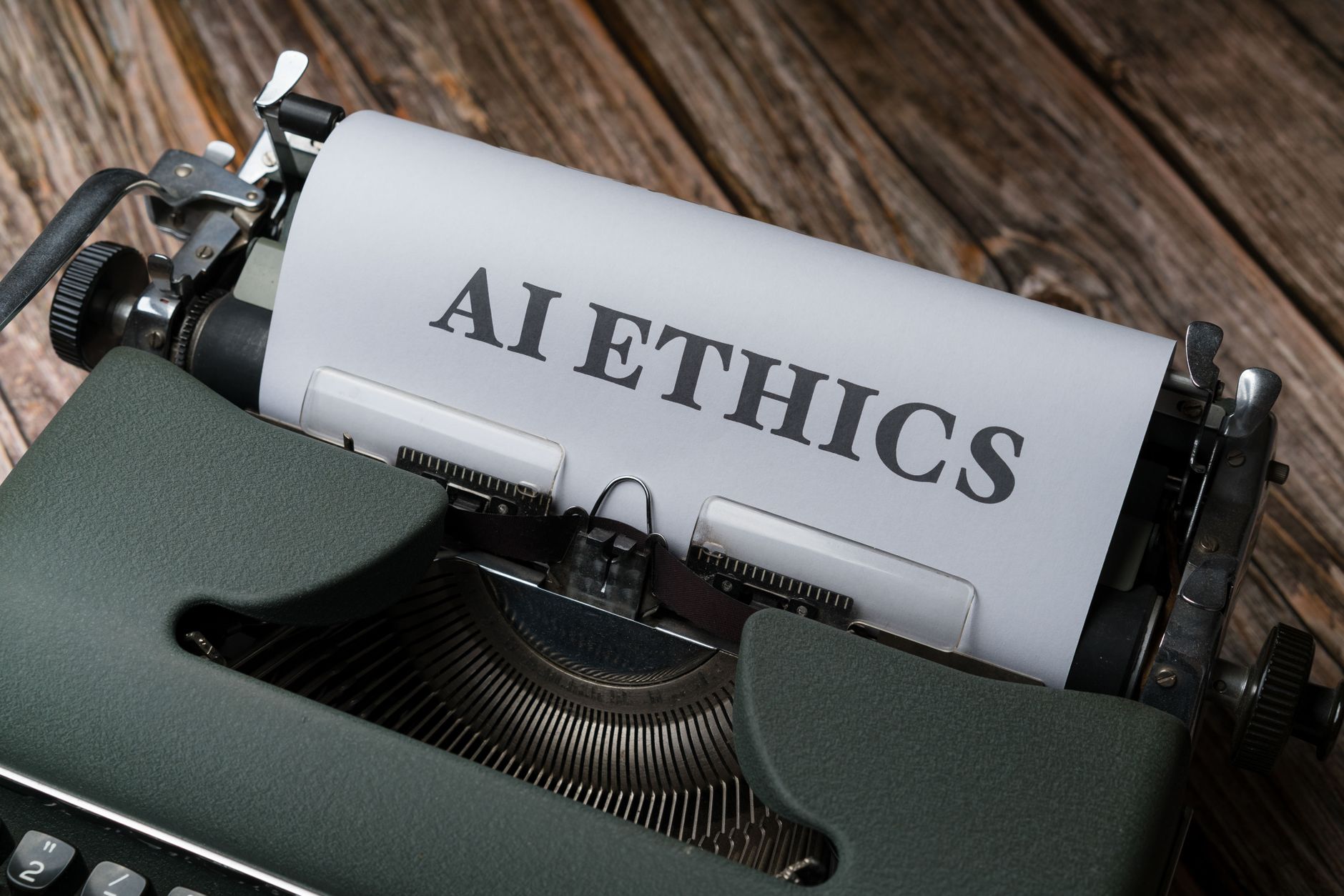
The emergence of artificial intelligence has transformed various industries, but it has also raised pressing ethical concerns. Among them is the potential for AI to facilitate the creation of biological weapons. In response, leading AI laboratories, including OpenAI and Anthropic, have taken a proactive stance, penning a letter to lawmakers that advocates for stricter regulations on synthetic DNA tracking. This initiative aims to mitigate the risks posed by AI technologies that could be misused for nefarious purposes.
Key Takeaways
- OpenAI and Anthropic are urging lawmakers to implement better tracking of synthetic DNA sequences.
- The letter highlights the growing concern over AI's role in the potential development of biological weapons.
- Industry experts stress the need for collaborative regulatory frameworks to safeguard against misuse.
- Enhanced oversight could foster responsible innovation while ensuring public safety.
- This initiative reflects a broader trend of tech leaders taking responsibility for the implications of their inventions.
AI and the Threat of Biological Weapons
The letter from OpenAI and Anthropic comes at a time when the capabilities of artificial intelligence are advancing rapidly. While AI offers tremendous benefits across various fields, its potential misuse raises alarm bells among experts. The ability to engineer synthetic DNA, combined with AI's capacity for rapid data analysis and iterative design, could enable individuals or groups to create pathogens that could cause widespread harm.
In their correspondence, the AI labs emphasize that while the technology holds promise for medical advancements, it also comes with significant risks. The concerns are not just theoretical; they echo warnings from various security experts who have long noted the challenges posed by bioweapons in an increasingly interconnected world.
The call for improved tracking of synthetic DNA sequences is framed as a necessary step to ensure that advancements in biotechnology do not outpace regulatory frameworks. By advocating for this initiative, OpenAI and Anthropic are positioning themselves as leaders in responsible AI usage, aiming to establish a precedent for the industry.
Why This Matters
The implications of this initiative extend well beyond the immediate concerns of bioweapons. The intersection of AI and biotechnology raises fundamental questions about the ethics of innovation. As we stand on the brink of breakthroughs in areas like gene editing and synthetic biology, the potential for misuse becomes a critical consideration.
Establishing regulations for synthetic DNA tracking could serve as a model for other emerging technologies. As the AI ecosystem expands, lawmakers and industry leaders are tasked with creating frameworks that ensure public safety while fostering innovation. The letter serves as a reminder that the responsibility for ethical technology use rests not only on regulators but also on the companies developing these powerful tools.
Background and Context
Historically, concerns about biological warfare date back to World War I when toxic agents were first weaponized. Over the decades, efforts to regulate biological weapons, such as the Biological Weapons Convention (BWC) established in 1972, have aimed to prevent their proliferation. Yet, advancements in technology, especially in genetic engineering, have introduced new complexities in monitoring and enforcement.
With the advent of synthetic biology and CRISPR technology, the ability to manipulate genetic material has become more accessible. This democratization of biotechnology raises alarms about who can create and deploy these technologies, especially in the context of malintent. As AI continues to evolve, the convergence of these fields necessitates a reevaluation of existing frameworks.
Expert Analysis
Experts in bioethics and AI have lauded the letter from OpenAI and Anthropic as a pivotal moment for the tech industry. By publicly addressing the need for regulatory measures, these organizations are acknowledging the dual-use nature of AI technologies. Dual-use refers to technologies that can have both beneficial and harmful applications, a concept that is particularly relevant in biotechnological advancements.
Dr. Jane Smith, a leading bioethicist, noted, "The initiative signals a recognition that without appropriate checks, the same technologies that enable breakthroughs in medicine could also enable catastrophic bioweapons. It’s a complex balancing act, but necessary to ensure that innovation does not come at the cost of safety." This sentiment echoes a growing consensus among researchers and industry leaders that proactive measures are essential.
There is also a call for collaboration among tech companies, government agencies, and academia. Addressing the complexities of synthetic biology and AI requires multi-disciplinary approaches that incorporate various perspectives. OpenAI and Anthropic's initiative could serve as a catalyst for such collaborations, leading to the development of comprehensive guidelines and ethical standards.
What This Means for Researchers and Developers
For researchers and developers in the AI and biotechnology fields, this announcement serves as a clarion call to engage in responsible innovation. It underscores the importance of considering the broader implications of their work, particularly in light of potential misuse.
Developers are now faced with the challenge of integrating ethical considerations into their design processes. This means anticipating how their technologies could be exploited and taking steps to mitigate those risks. For instance, researchers in synthetic biology might need to implement safeguards or limitations on access to certain genetic sequences.
Moreover, this initiative could foster a culture of accountability within the tech industry. As AI technology becomes increasingly embedded in various sectors, the expectation for transparency and ethical practices will likely become a standard. Organizations that prioritize safety and responsible use could see long-term benefits, including enhanced public trust and support.
Frequently Asked Questions
What is the purpose of the letter from OpenAI and Anthropic?
The letter aims to urge lawmakers to improve tracking of synthetic DNA sequences to prevent the potential misuse of AI technologies in developing biological weapons.
Why are synthetic DNA sequences a concern for biological weapons?
Synthetic DNA sequences can be engineered to create pathogens, which, if misused, could lead to significant public health threats. Improved tracking is needed to prevent this from happening.
How can tech companies contribute to preventing bioweapons development?
Tech companies can engage in responsible innovation, implement safeguards, and collaborate with regulatory bodies to create frameworks that ensure public safety while fostering technological advancements.
What historical context is relevant to this discussion?
The regulation of biological weapons has a long history, dating back to global agreements like the Biological Weapons Convention established in 1972, which aimed to mitigate the risks of bioweapons.
The Road Ahead
The future landscape of AI and biotechnology will require a nuanced approach to governance and ethical considerations. As OpenAI and Anthropic lead the charge in advocating for improved tracking of synthetic DNA, this initiative could set a precedent for other tech sectors to follow. The implications are vast, ranging from public health to international security.
In looking forward, it is essential to foster an environment where collaborative efforts between tech companies, governments, and civil society can flourish. By prioritizing safety and ethical considerations, we can harness the power of AI and biotechnology for the greater good. The conversation must continue, as the stakes are higher than ever in a world where the potential for both innovation and misuse exists side by side.