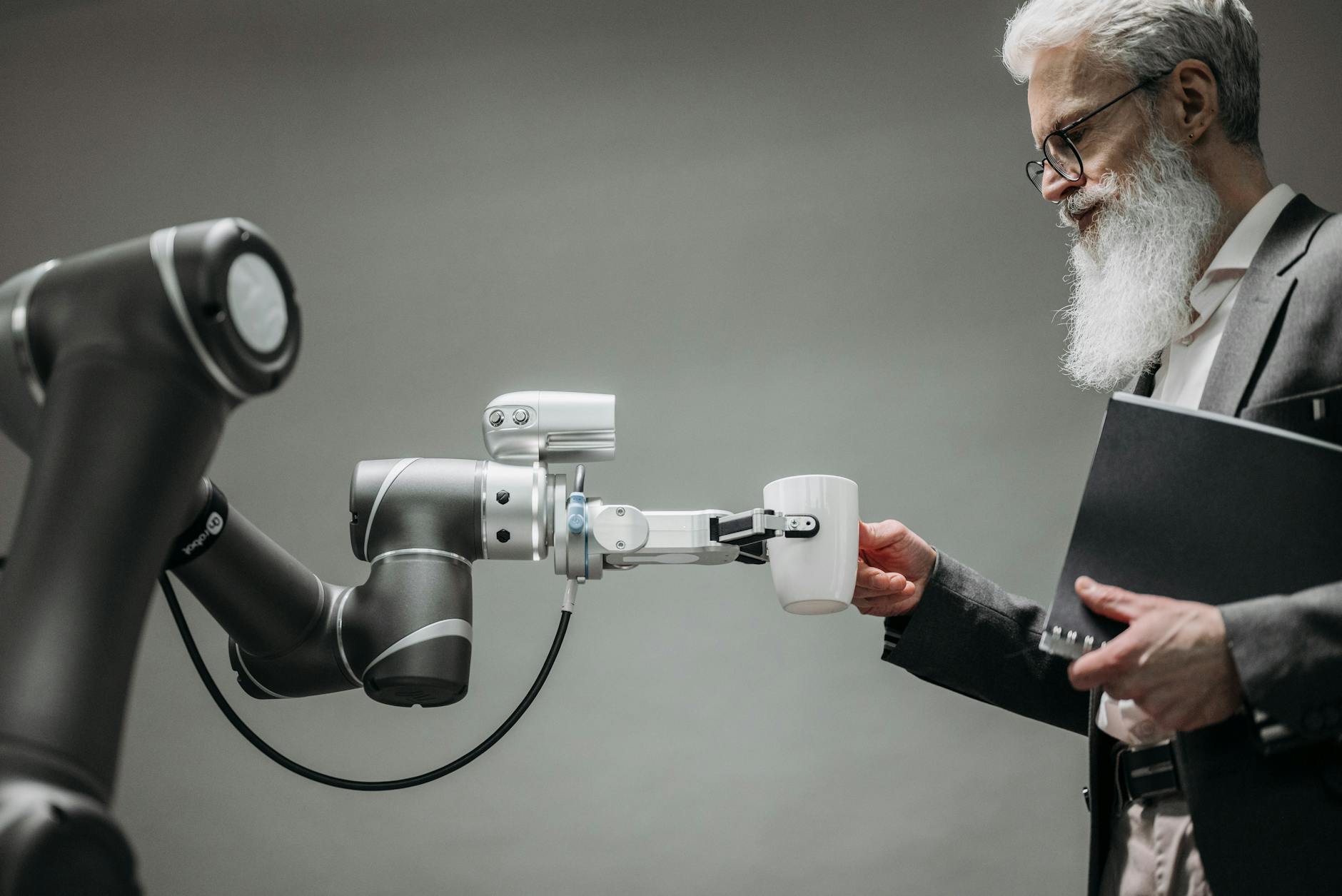
Redefining the Role of Teachers in the Age of AI
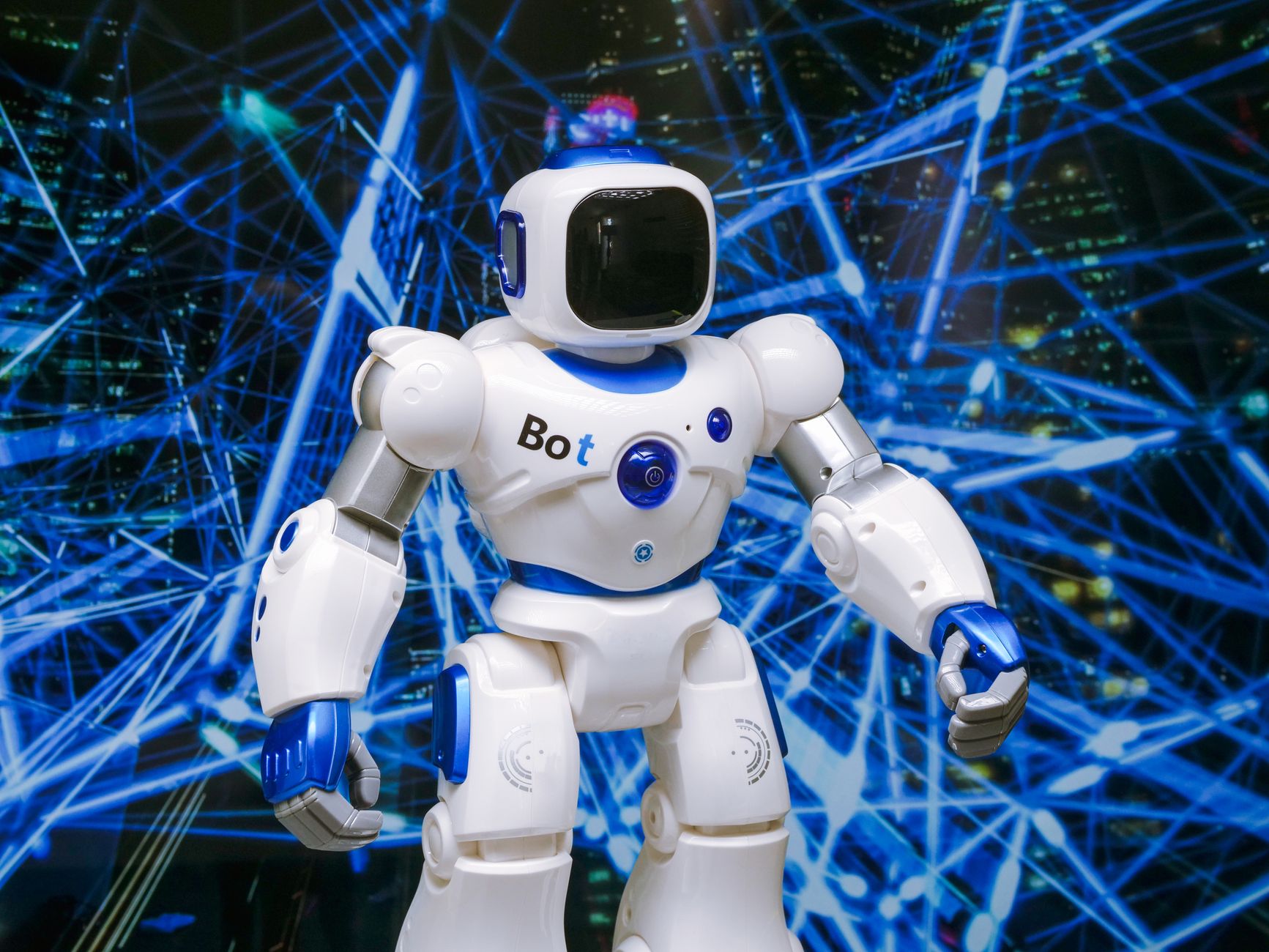
The advent of artificial intelligence (AI) in the education sector is sparking a fundamental re-evaluation of teaching roles in classrooms. As AI technologies become more capable of delivering personalized learning experiences, the question arises: What will be left for human teachers to do? This article explores the shifting landscape of education as AI becomes integrated into everyday classroom activities, and what this means for educators, students, and the learning process itself.
Key Takeaways
- AI can personalize learning, providing tailored educational experiences for each student.
- Teachers may shift from information deliverers to facilitators of critical thinking and emotional support.
- The integration of AI poses challenges, including the potential for inequity in access to technology.
- Training and professional development for teachers will be essential to adapt to new technologies.
- The role of teachers will evolve, emphasizing mentorship and emotional intelligence in education.
The Role of AI in Education
Artificial intelligence has already begun to infiltrate educational environments, with tools and platforms that offer personalized learning experiences. AI can analyze student performance data, adapt lessons to suit individual learning styles, and provide instant feedback, making it a powerful ally in the quest for effective teaching. Platforms such as DreamBox and Khan Academy leverage AI to identify gaps in knowledge and adjust content accordingly, allowing students to learn at their own pace.
As AI systems grow increasingly sophisticated, their potential to replace traditional teaching methodologies raises questions about the future of educators. The role of teaching has historically been centered around the transmission of knowledge. With AI capable of providing information and assessing student performance, the traditional model faces disruption.
Why This Matters
Understanding the evolving role of teachers is vital for several reasons. First, the nature of learning itself is shifting. Educational paradigms emphasize student agency—where learners take ownership of their education. AI supports this by providing personalized pathways through the curriculum. As a result, teachers are no longer just sources of information; they are now guides in a complex educational landscape.
Moreover, this transition raises concerns about equity. Access to AI tools is not uniform, and students in underfunded schools may be left behind as technology advances. This disparity could exacerbate existing educational inequities, making it imperative for policymakers and educators to address these gaps to ensure all students benefit from AI advancements.
Background and Context
Historically, the role of teachers has evolved through various educational reforms, from the one-room schoolhouse model to the current, more interactive approaches that emphasize critical thinking and collaborative learning. The introduction of technology in the classroom, such as computers and the internet, has already challenged traditional teaching methods. The emergence of AI adds another layer of complexity, as these systems are capable of performing tasks that were once the exclusive domain of human educators.
As AI technologies mature, they are becoming integrated into educational frameworks worldwide. According to a report by the World Economic Forum, approximately 50% of jobs will require reskilling due to technological advancements by 2025. This prediction underscores the urgency for educators to adapt, ensuring they prepare students for a future where AI is omnipresent.
Expert Analysis
As AI takes on more responsibilities in the classroom, teachers' roles are likely to evolve in several key areas. One significant shift will be from knowledge delivery to mentorship and facilitation. Teachers will need to develop skills in guiding students through complex problem-solving scenarios rather than simply lecturing on content.
Furthermore, emotional intelligence will become increasingly important. While AI can analyze data and provide feedback, it lacks the ability to connect with students on an emotional level. Teachers will need to cultivate strong relationships with their students, offering support and understanding that AI cannot provide. This human element is crucial, especially for students facing challenges outside the classroom that may affect their learning.
Another area where teachers will play a vital role is in fostering critical thinking. As students gain access to vast amounts of information through AI tools, the ability to discern credible sources and understand diverse perspectives becomes paramount. Teachers will need to create environments that encourage inquiry and exploration, helping students to navigate the complexities of information in the digital age.
What This Means for Educators
The integration of AI into classrooms necessitates a shift in how educators approach their roles. Professional development programs must evolve to equip teachers with the skills needed to effectively utilize AI tools. This includes training on how to interpret data generated by AI systems, understanding the ethical implications of AI in education, and learning how to maintain student engagement in an increasingly automated environment.
Additionally, teachers will need to advocate for equitable access to technology. This means addressing disparities in resources between schools and ensuring that all students have opportunities to engage with AI tools. Educators will play a critical role in shaping policies that promote equity in education, ensuring that technological advancements benefit everyone, not just those in well-funded districts.
Frequently Asked Questions
Will AI replace teachers in the classroom?
AI is unlikely to replace teachers but will change their roles significantly. Teachers will transition from knowledge providers to facilitators who guide and support students in their learning journeys.
How can teachers adapt to the presence of AI in education?
Teachers can adapt by pursuing professional development opportunities that focus on using AI tools effectively, understanding data analytics, and fostering emotional intelligence skills with students.
What are the potential downsides of AI in education?
Potential downsides include exacerbating educational inequities if access to AI technologies is uneven, as well as concerns about data privacy and the risk of over-reliance on technology for learning.
How can AI complement traditional teaching methods?
AI can complement traditional teaching by providing personalized learning experiences, enabling teachers to focus on mentoring and supporting students while technology handles data analysis and content delivery.
The Road Ahead
The future of education is set to be profoundly influenced by AI, with significant implications for teachers and students alike. As this technology evolves, it is essential that educators remain at the forefront of this transformation, actively engaging in discussions about how AI can be integrated into teaching practices in a meaningful way.
In conclusion, the role of the teacher will not diminish in the age of AI; instead, it will evolve. Teachers must embrace new opportunities to enrich their students' learning experiences while advocating for equitable access to technology. The journey ahead will require collaboration, innovation, and a commitment to fostering an educational environment where every student can thrive, regardless of their background.