Braintrust Leverages Codex to Transform Customer Requests into Code
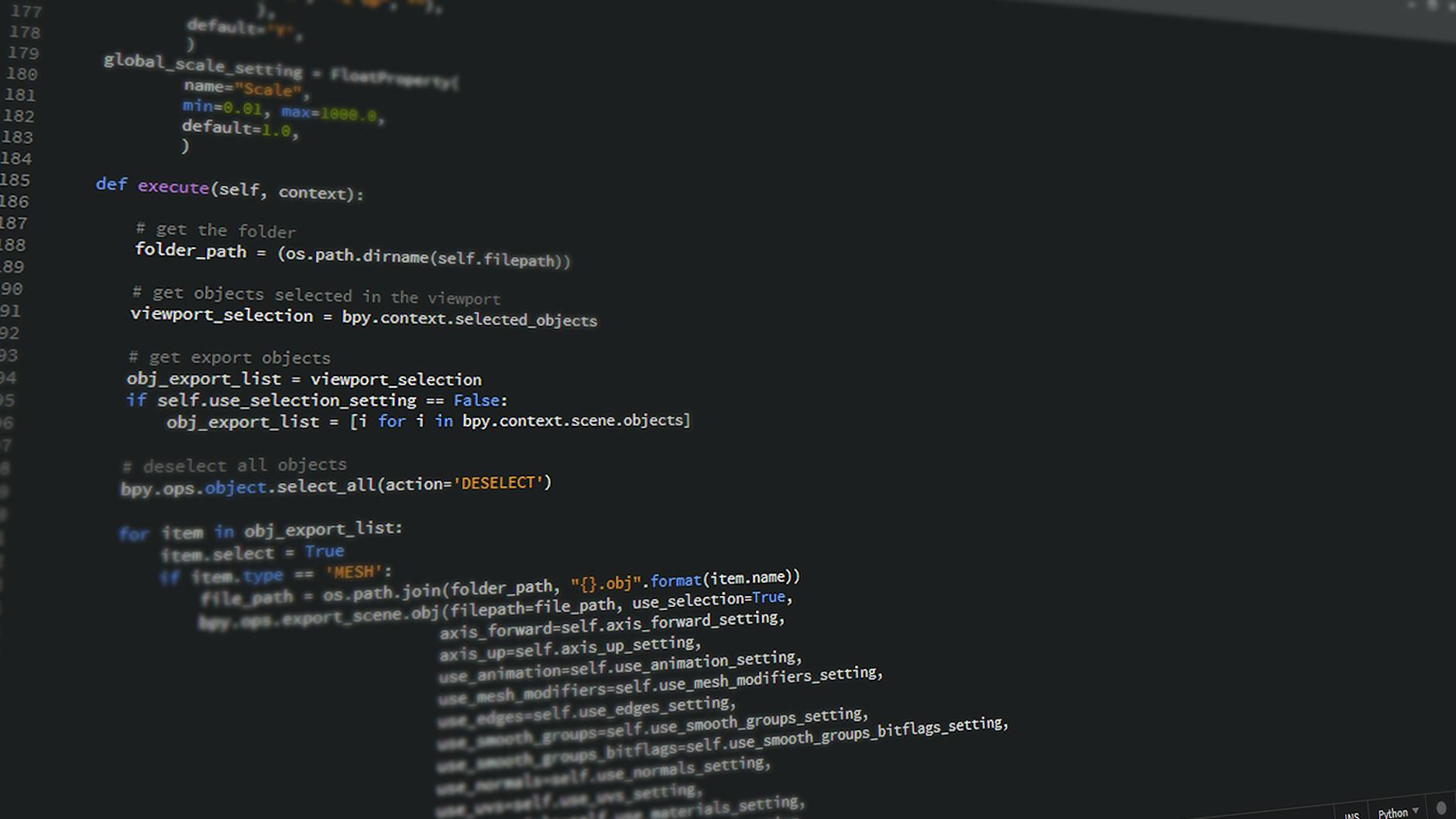
In the ever-evolving landscape of software development, the ability to adapt to customer needs quickly can be a game-changer. Braintrust is at the forefront of this innovation by utilizing OpenAI's Codex and the latest GPT-5.5 model. This strategic integration allows Braintrust engineers to turn customer requests into functional code at an unprecedented speed. But what does this mean for the coding landscape, and how does this approach redefine the boundaries of software development?
Key Takeaways
- Braintrust employs Codex and GPT-5.5 to translate customer requests into code efficiently.
- This integration significantly reduces the time engineers spend on coding tasks.
- Utilizing AI for coding allows for a more dynamic and responsive development process.
- The approach illustrates a growing trend of using AI to enhance human capabilities in software engineering.
- As technology advances, the role of developers will evolve, focusing more on high-level problem-solving.
Understanding Braintrust's Approach
Braintrust, a decentralized talent network, has made significant strides in bridging the gap between customer needs and software development. By leveraging OpenAI's Codex and GPT-5.5, the company enables its engineers to transform customer requests directly into code. This method not only streamlines the development process but also enhances the quality of the output, allowing Braintrust to respond to client demands with remarkable agility.
The integration of Codex provides a powerful coding assistant that interprets natural language requests, offering code snippets or even entire functions based on the specifications provided by customers. This capability is particularly beneficial in today’s fast-paced environment, where businesses often require quick turnarounds to remain competitive. By utilizing AI to assist with coding tasks, Braintrust engineers can focus on higher-level design and problem-solving, rather than getting bogged down in syntax and boilerplate code.
This innovative approach is not merely about speed; it’s about enhancing creativity and efficiency in software development. With the assistance of AI, engineers can explore multiple coding solutions and approaches, ultimately leading to more robust and versatile software products.
Why This Matters
The ability to convert customer requests into code rapidly is a transformative development in the software industry. Traditionally, software development has been a linear process, often characterized by lengthy cycles that involve gathering requirements, designing solutions, coding, testing, and deploying. Each of these stages requires input from various stakeholders and can take considerable time.
Braintrust's approach of integrating AI into this process signifies a shift toward a more agile and iterative methodology. By allowing engineers to utilize AI to handle the more repetitive and mundane aspects of coding, the development cycle can be significantly shortened. This not only improves time-to-market for software but also enhances customer satisfaction, as clients can see their requests come to life in real-time.
Furthermore, this development has implications beyond just Braintrust. The software industry as a whole must adapt to these new capabilities. As more companies adopt AI tools like Codex, the expectations for software delivery will rise. Traditional models of development may become obsolete, and organizations will need to rethink their strategies to remain competitive.
Background and Context
Braintrust's integration of Codex is part of a broader trend in the tech industry towards increased automation and reliance on artificial intelligence. Codex, developed by OpenAI, is designed to understand and generate code in a variety of programming languages based on natural language prompts. This capability is built on the advancements made by earlier models like GPT-3, which focused primarily on text generation.
With the advent of Codex and the enhancements seen in GPT-5.5, the potential for AI in software development has expanded dramatically. Codex can now assist in more complex coding tasks, leading to a more sophisticated interaction between humans and machines. The historical context of this development shows a continuous evolution from simple automation to more intelligent systems that can learn and adapt to user needs.
Expert Analysis
From an analytical perspective, the use of Codex in Braintrust's operations can be seen as a significant leap forward in software engineering processes. Traditionally, coding has been viewed as a primarily human-driven task, requiring extensive expertise and attention to detail. The incorporation of AI challenges this notion by demonstrating that a significant portion of the coding process can be effectively handled by algorithms.
This shift raises important questions about the future roles of developers. As Codex takes on more of the routine coding tasks, engineers can transition to a more strategic role, focusing on architectural decisions, user experience, and system integration. This change could lead to a greater emphasis on soft skills and problem-solving abilities, as developers will need to communicate effectively with AI and manage its outputs.
Moreover, the implications for education and training in software development are profound. As tools like Codex become commonplace, educational institutions may need to revise their curricula to emphasize collaboration with AI and develop skills that complement machine learning capabilities.
What This Means for Developers
The practical implications of Braintrust's use of Codex are multifaceted. For developers, this integration symbolizes a transition toward more efficient workflows. By automating mundane coding tasks, engineers can allocate their time to more creative and impactful work, leading to potentially higher job satisfaction and productivity.
Furthermore, the ability to quickly iterate on customer feedback allows developers to remain closely aligned with client expectations. In environments where rapid prototyping is essential, the speed and flexibility offered by AI tools can provide a competitive edge. Developers will need to adapt their workflows to incorporate these technologies effectively, learning how to best leverage AI-generated code while maintaining quality and security standards.
Additionally, as AI takes on a more significant role in coding, developers may face new challenges related to AI ethics, code ownership, and intellectual property. These considerations will become increasingly relevant as the use of AI-generated code becomes widespread.
Frequently Asked Questions
How does Codex understand customer requests?
Codex processes natural language inputs, allowing users to describe functionalities or features in plain language. It then translates these descriptions into code snippets or functions, making it easier for engineers to implement the desired features quickly.
Can Codex replace software developers?
While Codex can automate many coding tasks, it is not a replacement for software developers. Instead, it acts as an assistant, allowing developers to focus on higher-level design and problem-solving while Codex handles more routine coding tasks.
What programming languages does Codex support?
Codex supports a variety of programming languages, including Python, JavaScript, Java, and more. This versatility allows developers to use it across different projects and languages.
Will AI tools like Codex lead to job losses in the tech industry?
While there may be some displacement of certain coding tasks, the overall impact is likely to create new opportunities for developers. The focus will shift towards more strategic roles, emphasizing collaboration with AI and higher-level problem-solving.
The Road Ahead
Looking forward, the integration of AI tools like Codex into software development practices will continue to evolve. As organizations like Braintrust demonstrate the effectiveness of these technologies, we can expect an increasing number of companies to adopt similar approaches. This adoption will likely lead to a paradigm shift in how software is developed and delivered, with greater emphasis on agility, responsiveness, and customer-centric design.
As the technology matures, ongoing innovation and improvements in AI capabilities will further enhance the relationship between developers and their tools. The future will not just be about faster coding but also about smarter development processes that leverage AI to create more effective and user-friendly software solutions. Overall, the road ahead is promising, with the potential to empower developers and reshape the landscape of software engineering.