Taiwan Probes Alleged Nvidia Chip Smuggling to China via Japan
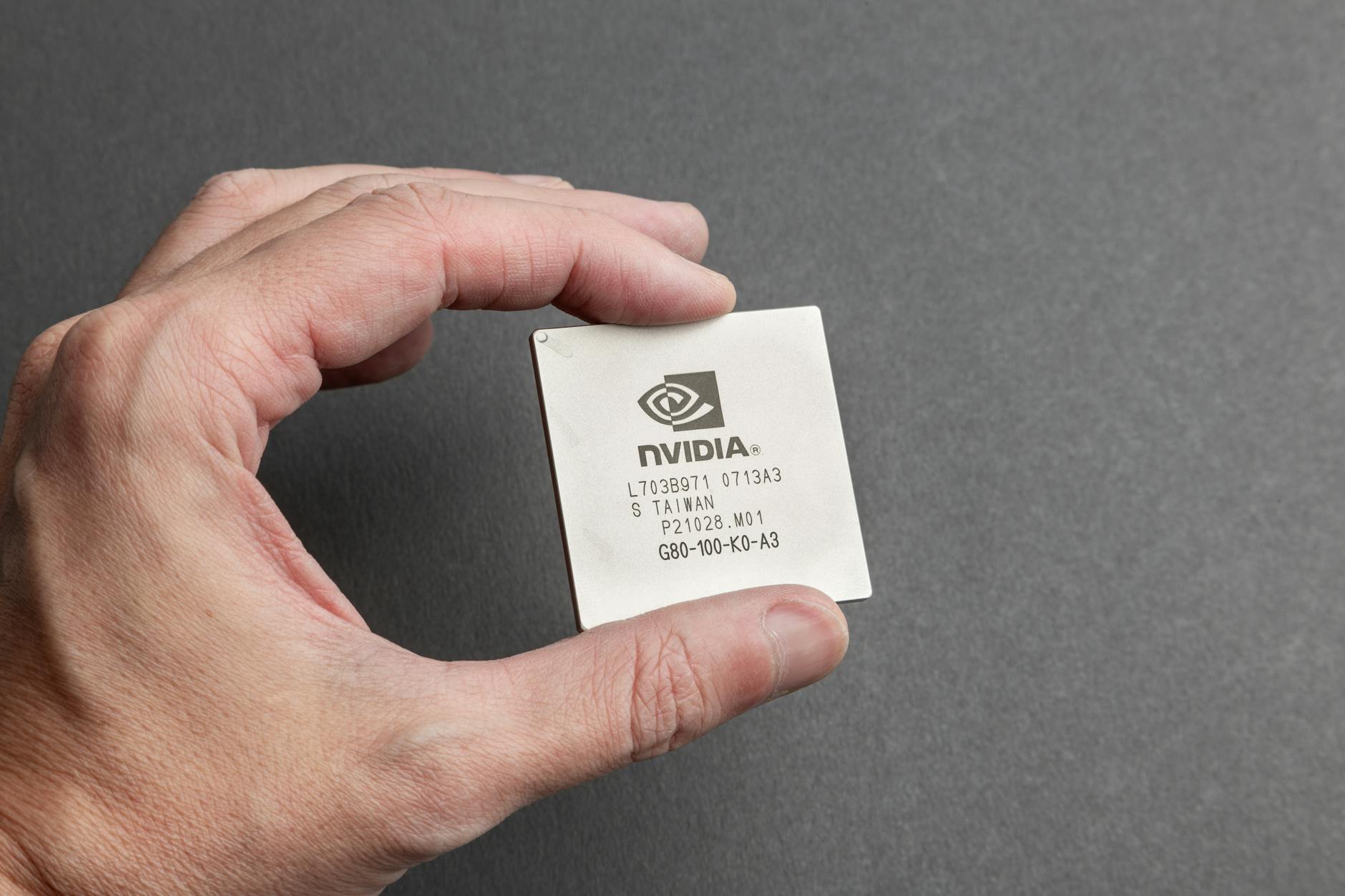
The global semiconductor industry is under intense scrutiny as Taiwan's prosecutors investigate an alleged smuggling operation involving Nvidia's AI chips to China via Japan. This case highlights the intricate web of technology supply chains and the geopolitical tensions surrounding high-tech exports. With the increasing demand for advanced AI capabilities, the stakes are higher than ever, prompting nations to take stringent measures to secure their technological assets.
Key Takeaways
- Taiwan alleges that Nvidia AI chips were smuggled to China through Japan, raising concerns over export controls.
- The investigation involves three individuals suspected of facilitating the illegal shipments.
- This incident underscores the complexities of semiconductor supply chains amid geopolitical tensions.
- Nvidia, a key player in AI chip manufacturing, faces potential repercussions from both Taiwanese and international regulators.
- China's growing demand for AI technology poses ongoing challenges for countries seeking to limit access to sensitive technologies.
Allegations of Smuggling: What Happened?
Recent reports from Taiwan indicate serious allegations against three individuals who are suspected of successfully smuggling Nvidia's advanced AI chips to China. Authorities believe that these shipments were first exported to Japan before being routed to their final destination in China. This operation raises significant concerns about the effectiveness of export controls and the lengths to which entities might go to circumvent regulations.
The Nvidia chips in question are critical components for various applications, especially in artificial intelligence and machine learning. Given the strategic importance of these technologies, Taiwan’s prosecutors are under pressure to investigate thoroughly and ensure that such activities do not undermine national security. The potential security implications are enormous, particularly as China seeks to bolster its own AI capabilities.
Why This Matters
The implications of this alleged smuggling operation extend beyond Taiwan and China. The semiconductor industry is already fraught with geopolitical tensions, particularly between the United States and China, as both nations vie for technological supremacy. Taiwan, home to leading semiconductor manufacturers such as TSMC, plays a pivotal role in the global supply chain. Any breach of export regulations could have far-reaching consequences, not only for Taiwan but for international relations regarding technology transfer.
Furthermore, as countries like the U.S. and its allies enforce stricter export controls to prevent advanced technologies from reaching China, incidents like this raise serious questions about the effectiveness of these measures. If smuggling operations can successfully bypass regulatory frameworks, it could undermine the strategic objectives of nations attempting to curtail China's technological advancements. Therefore, the investigation into this smuggling operation is not just a legal matter; it is a significant geopolitical concern.
Background and Context
The semiconductor industry has witnessed dramatic shifts over the last few decades, driven by rapid technological advancements and increasing demand for high-performance computing capabilities. Taiwan has emerged as a global leader in chip manufacturing, largely due to its sophisticated production capabilities and a robust ecosystem of suppliers. Nvidia, renowned for its powerful GPUs, has become a vital player in the AI chip market.
In recent years, geopolitical tensions have escalated, particularly as the U.S. government has imposed sanctions on Chinese companies and restricted technology transfers to China. This has prompted China to accelerate its efforts to develop indigenous semiconductor capabilities. The stakes are high, as AI technologies are increasingly seen as critical to national security and economic competitiveness. The ongoing trade war between the U.S. and China has further complicated the landscape, leading to heightened scrutiny of technology exports and imports.
Expert Analysis
The alleged smuggling of Nvidia chips from Japan to China is emblematic of a larger trend: the increasing difficulty of policing high-tech supply chains in a globalized economy. As the demand for advanced AI technologies grows, so too does the risk of illicit activities aimed at acquiring these technologies. The complexity of semiconductor manufacturing, which often involves multiple countries and jurisdictions, poses significant challenges for regulatory authorities.
Experts suggest that the intricate nature of the semiconductor supply chain, coupled with the rapid pace of technological advancement, makes it difficult for governments to effectively enforce export controls. For instance, a chip designed in one country may be manufactured in another, assembled in a third, and finally sold in yet another. This multi-layered production process creates numerous opportunities for individuals to exploit loopholes and circumvent regulations.
The role of Japan in this smuggling operation also raises questions about the effectiveness of its own export controls. As a key player in the semiconductor industry, Japan has stringent regulations regarding the export of technology, particularly to nations like China. If it is found complicit or negligent in this case, Japan could face significant diplomatic and economic ramifications.
What This Means for the Semiconductor Industry
This incident has several implications for various stakeholders within the semiconductor industry, including manufacturers, regulators, and end-users. For manufacturers like Nvidia, the potential fallout from this investigation could be substantial. Any association with illegal activities could damage their reputation and lead to tighter scrutiny of their supply chains.
Regulators are likely to respond by tightening export controls and increasing monitoring of supply chains. This could result in longer lead times for companies seeking to export advanced technologies, impacting their competitiveness and operational efficiencies. For end-users, particularly those in industries heavily reliant on AI technologies, any disruption in the supply chain could lead to delays and increased costs.
Moreover, this incident underscores the need for enhanced cooperation between countries to address illicit technology transfers. Collaborative efforts to establish clearer guidelines and improve monitoring mechanisms could help mitigate the risks associated with smuggling operations and ensure that sensitive technologies do not fall into the wrong hands.
Frequently Asked Questions
What are the implications of this smuggling case for Nvidia?
The allegations could lead to increased scrutiny of Nvidia's operations and supply chains, potentially impacting its reputation and leading to tighter regulations on its exports.
How does this incident affect Taiwan's semiconductor industry?
This case highlights the vulnerabilities within Taiwan's semiconductor supply chain and the need for stringent export controls to protect sensitive technologies.
What actions might regulators take in response to this smuggling operation?
Regulators may implement stricter export controls, enhance monitoring of high-tech supply chains, and impose penalties on individuals or companies involved in illicit technology transfers.
Why is the smuggling of AI chips a significant concern?
AI technologies are critical to national security and economic competitiveness. The unauthorized transfer of such technologies to countries like China could undermine strategic interests and technological advantages.
The Road Ahead
As Taiwan continues its investigation into the alleged smuggling of Nvidia chips, the semiconductor industry must brace for potential ripple effects. The case not only underscores the vulnerabilities in the global supply chain but also highlights the urgent need for countries to collaborate on establishing robust export controls. With the geopolitical landscape shifting rapidly, companies and regulators alike must adapt to the evolving challenges of technology transfer and illicit activities.
Looking forward, there is a pressing necessity for enhanced international cooperation to develop clearer guidelines and standards for technology exports. This will not only help prevent illicit smuggling operations but also ensure that countries can protect their technological advancements in a highly competitive and complex global environment. The semiconductor industry is at a crucial juncture, and how stakeholders respond to these challenges will shape its future trajectory.