Sunrun's Vision: Transforming Homes Into AI Computing Hubs
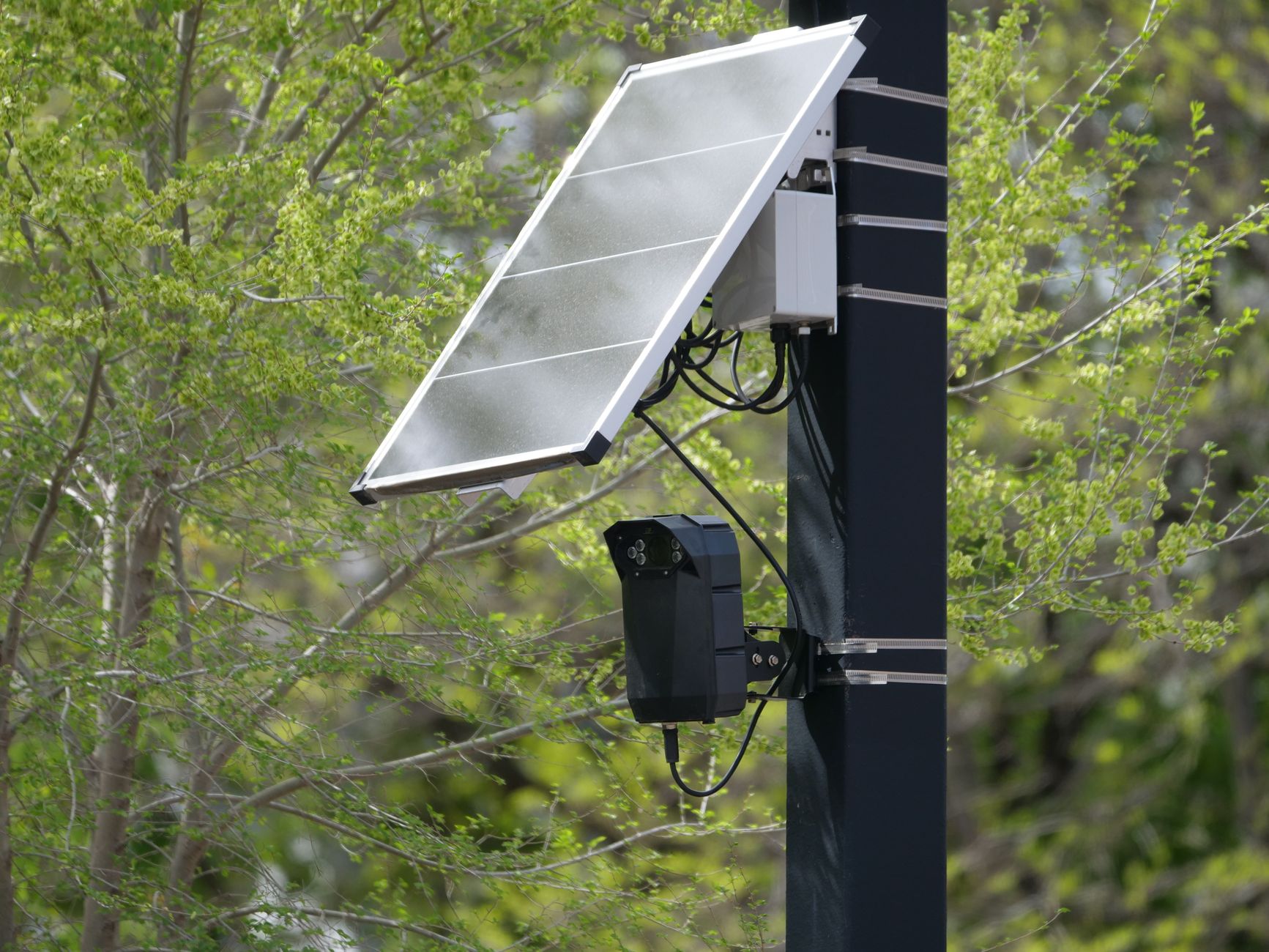
As the world continues to embrace artificial intelligence (AI), the infrastructure supporting its growth is becoming critically important. Sunrun, a prominent leader in residential solar energy, is embarking on a groundbreaking experiment that could redefine how we think about energy and computing. By transforming homes equipped with solar panels and batteries into AI computing hubs, they’re not just aiming to provide clean energy but also to harness that energy for a profitable and innovative purpose. This approach has the potential to alter the landscape of AI infrastructure, making it more decentralized and accessible than ever before.
Key Takeaways
- Sunrun plans to transform residential homes into AI computing hubs.
- Homeowners could earn hundreds of dollars monthly by hosting AI compute nodes.
- This initiative addresses soaring demand for AI infrastructure.
- Solar energy and battery storage play a crucial role in this model.
- The project reflects a shift towards decentralized energy and computing solutions.
Sunrun's Innovative Initiative
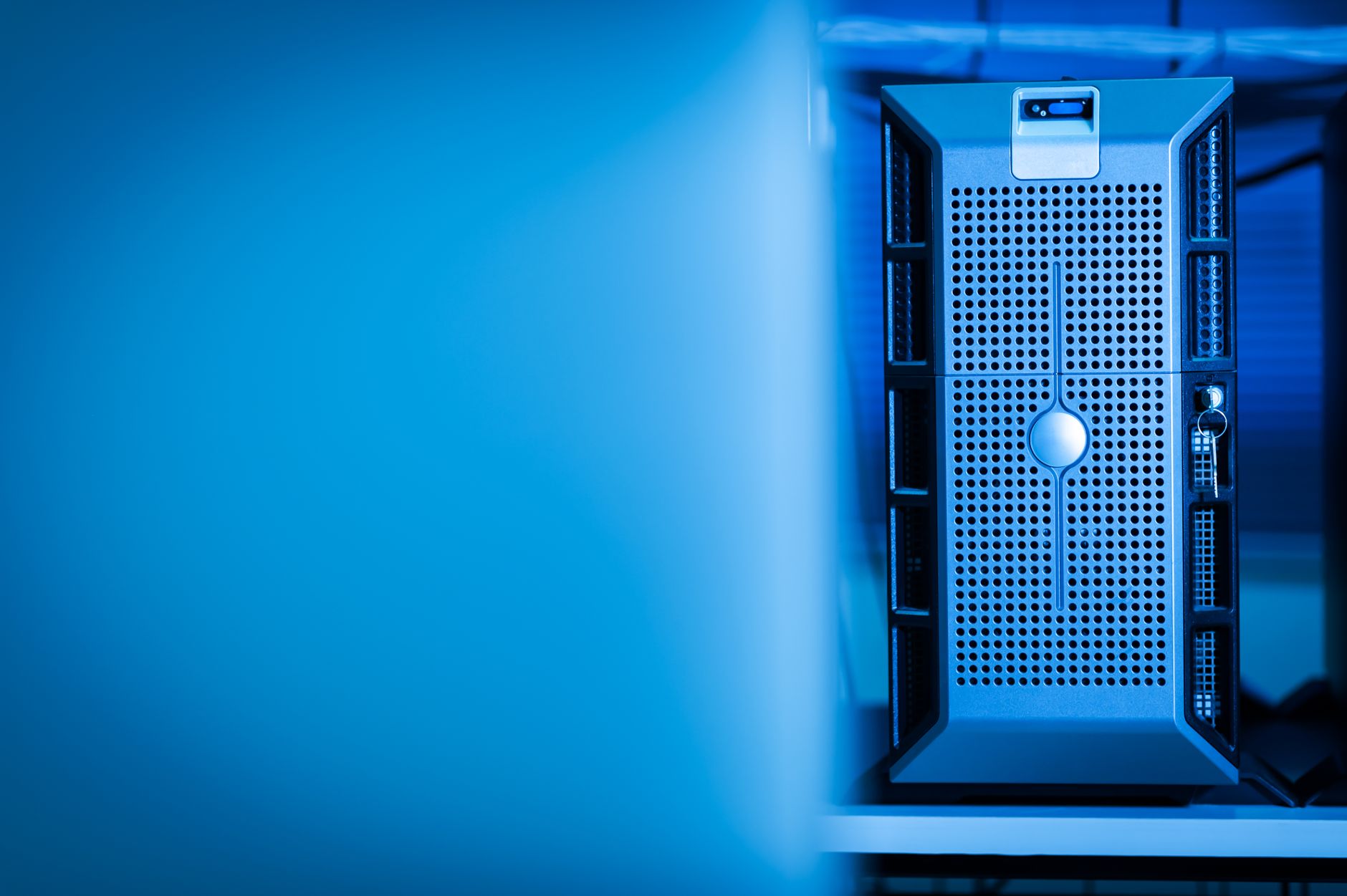
Sunrun, under the leadership of CEO Mary Powell, is pioneering a novel approach to integrating solar energy with artificial intelligence. The concept is simple yet revolutionary: equip homeowners with the necessary technology to host AI compute nodes. These nodes, utilizing the energy generated from solar panels, can process data for various AI applications, ranging from machine learning to real-time analytics.
During an interview on Bloomberg Technology, Powell emphasized that this initiative is not only about providing clean energy but also about enabling homeowners to generate income. By hosting AI compute nodes, homeowners could potentially earn hundreds of dollars monthly. This income would come from companies that seek to utilize the decentralized computing power provided by these residential hubs, addressing the growing demand for AI infrastructure.
The implications of this project are significant, especially as the global reliance on AI continues to expand. With enterprises increasingly requiring powerful computing resources for AI models, the traditional data center model—centralized and often energy-intensive—may struggle to keep pace. Sunrun's approach could alleviate some of this pressure by effectively distributing computing power across numerous households.
Why This Matters
The demand for AI infrastructure is skyrocketing. Global AI investments are projected to reach trillions by the end of the decade, driven by advancements in machine learning, data analysis, and various AI applications across industries. As organizations recognize the need for scalable and efficient computing resources, the limitations of existing centralized data centers become starkly evident.
Sunrun’s initiative matters because it represents a significant shift towards decentralization in both energy and computing. By enabling residential homes to partake in the AI ecosystem, the company is not only offering an additional income stream for homeowners but also addressing a critical gap in the AI infrastructure landscape. This could democratize access to AI capabilities, allowing smaller businesses and startups to leverage computing power that would otherwise be confined to large corporations.
Furthermore, this model has the potential to enhance energy resilience. As homes generate their own energy through solar panels, they reduce dependence on the grid and can maintain operations even during outages. The synergy between energy generation and AI computing makes this initiative particularly timely, especially in a world facing increasing energy demands and climate change challenges.
Background and Context
To fully grasp the significance of Sunrun's experiment, it’s essential to understand the evolution of both solar energy and AI infrastructure. Solar energy has been on the rise for decades, with advancements in photovoltaic technology leading to more efficient and affordable solar panels. The transition from fossil fuels to renewable energy sources has become a global imperative, and homeowners have increasingly embraced solar energy as a viable alternative.
Simultaneously, the AI landscape has witnessed exponential growth. The development of advanced algorithms and the availability of vast datasets have propelled AI technologies into mainstream applications. However, the computational demands of modern AI algorithms often require substantial infrastructure, primarily housed in large, centralized data centers. This reliance on traditional infrastructures can lead to inefficiencies, high energy consumption, and significant operational costs.
Expert Analysis
Sunrun's experiment is ambitious, and its success will depend on several factors, including technology adoption, regulatory considerations, and market dynamics. One of the most pressing challenges lies in the technological feasibility of retrofitting homes with the necessary hardware for AI compute nodes. While solar panels and batteries are becoming commonplace, integrating them with advanced computing technology requires careful planning and execution.
Additionally, regulatory frameworks surrounding energy distribution and data privacy will play a crucial role in shaping the initiative's success. Homeowners who choose to host AI nodes will need assurances regarding data security and how their energy contributions are compensated. Sunrun will need to collaborate closely with regulators and industry stakeholders to establish clear guidelines that protect homeowners while promoting innovation.
From a market perspective, the economic incentive for homeowners to participate in this initiative will be vital. Earning hundreds of dollars monthly could be a strong motivator, but Sunrun must also ensure that the operational costs of running AI nodes do not outweigh the benefits. The company will need to provide transparent information about potential earnings, energy consumption, and the overall impact on homeowners' electricity bills.
What This Means for Homeowners
For homeowners, Sunrun's initiative presents an intriguing opportunity. The prospect of transforming their homes into AI computing hubs could provide an additional income stream while contributing to the broader AI ecosystem. By leveraging existing solar technology, homeowners can capitalize on their investment in renewable energy, turning their homes into dual-purpose assets.
Moreover, this initiative allows homeowners to play an active role in the transition to decentralized energy and computing solutions. As more individuals participate in the program, a network of distributed computing resources could emerge, fostering collaboration and innovation within communities. This community-driven approach to AI infrastructure could lead to new applications and services, further enriching the local economy.
Frequently Asked Questions
What is the primary goal of Sunrun's initiative?
Sunrun aims to transform residential homes into AI computing hubs, allowing homeowners to earn income by hosting AI compute nodes powered by solar energy.
How much can homeowners potentially earn from hosting AI compute nodes?
Homeowners could earn hundreds of dollars per month, depending on the demand for computing power and the efficiency of their solar energy systems.
What challenges does Sunrun face in this initiative?
Challenges include technological feasibility, regulatory frameworks, and ensuring that the economic benefits outweigh operational costs for homeowners.
How does this initiative contribute to the broader AI ecosystem?
This initiative democratizes access to AI infrastructure, enabling smaller businesses and individuals to participate in the AI economy while promoting decentralized energy generation.
The Road Ahead
As Sunrun embarks on this innovative journey, the implications extend beyond the immediate benefits for homeowners. The initiative represents a pivotal moment in the convergence of renewable energy and AI technology. If successful, it could catalyze a broader trend toward decentralized infrastructures in various industries, fundamentally altering how we perceive energy generation and consumption.
Looking ahead, the scalability of this model will be critical. Sunrun will need to refine its technology, establish robust partnerships with AI companies, and navigate the regulatory landscape effectively. If these challenges are met, the vision of homes acting as AI hubs could become a reality, paving the way for a more sustainable and interconnected future.