How Smart Bird Feeders are Transforming Backyard Birdwatching
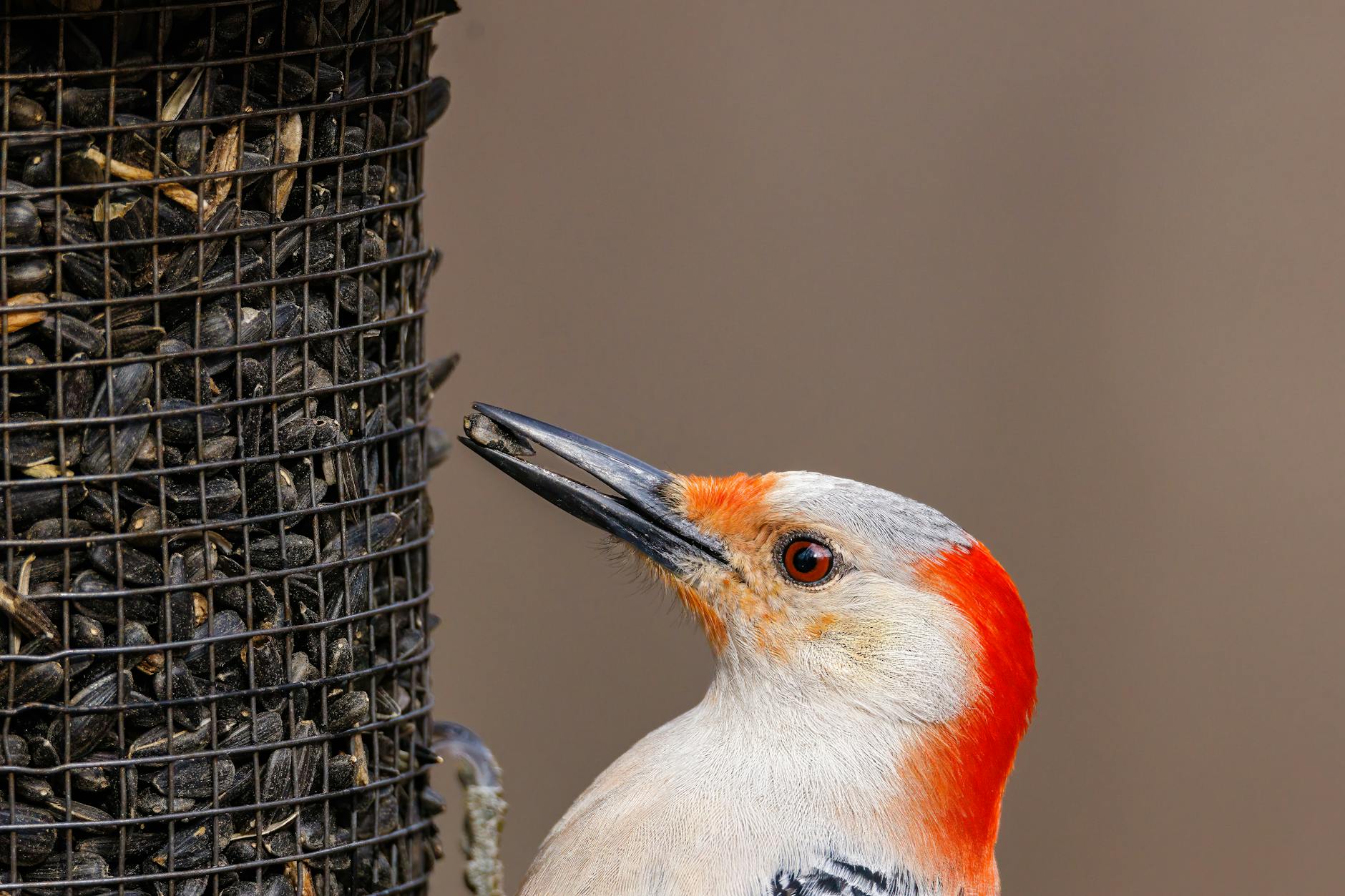
In the heart of South Carolina's Lowcountry, where nature's splendor unfolds with every sunrise, a new technological marvel has entered the scene: the smart bird feeder. This innovative gadget promises not just to attract birds but to provide a digital lens into the avian world, allowing enthusiasts to capture the drama of nature unfolding in their backyards like never before. The recent review from The Verge highlights the Coolfly Aura smart bird feeder, a device that merges technology with wildlife observation, offering both birdwatchers and casual observers a unique glimpse into the lives of feathered friends.
Key Takeaways
- The Coolfly Aura smart bird feeder connects to an app, allowing users to monitor bird activity live.
- Users can capture high-definition photos and videos of visiting birds, enhancing the birdwatching experience.
- This technology encourages outdoor engagement and fosters an appreciation for local wildlife.
- Smart bird feeders could pave the way for citizen science initiatives, collecting valuable data on bird populations.
- The integration of AI and machine learning can improve the accuracy of species identification and tracking.
Exploring the Smart Bird Feeder Phenomenon
The advent of smart bird feeders marks a significant evolution in the way we interact with nature. As highlighted in the original review, the Coolfly Aura smart bird feeder not only dispenses food but also serves as a sophisticated monitoring device. It employs a built-in camera and advanced sensors to detect bird activity, sending notifications to users' smartphones when a feathered visitor arrives. This combination of bird feeding and tech connectivity transforms a simple backyard activity into an engaging, interactive experience.
In a world where technology often distances us from nature, the smart bird feeder offers a compelling counter-narrative. It invites people to step outside, witness the natural behaviors of birds, and forge connections with their environment. The allure of capturing spontaneous moments—such as a mother osprey feeding her chicks or a majestic eagle soaring overhead—can inspire a sense of wonder and appreciation for wildlife, as noted by many users.
Why This Matters
The implications of smart bird feeders extend far beyond individual enjoyment. They represent a growing trend at the intersection of technology and environmental awareness, encouraging a deeper understanding of biodiversity. With smartphone connectivity, users can easily share their observations on social media, fostering community engagement and sparking conversations about wildlife preservation and conservation efforts.
Moreover, smart bird feeders have the potential to contribute to citizen science. By tracking bird species and their feeding habits, users can provide valuable data to researchers and conservationists. This collaborative approach enriches scientific knowledge while simultaneously empowering individuals to play an active role in wildlife monitoring. As such, these devices are not merely gadgets; they are tools for education and ecological stewardship.
Background and Context
The concept of bird feeders has been around for centuries, primarily serving as a means to attract birds for observation and enjoyment. Traditionally, these feeders were simple structures made from wood or plastic, filled with seeds, and designed to entice local wildlife. With the rise of technology, a new breed of bird feeders has emerged, leveraging advancements in networking, sensors, and artificial intelligence.
The integration of AI technology into smart bird feeders allows for sophisticated functionalities like species recognition and behavioral analysis. For instance, the Coolfly Aura employs machine learning algorithms that can identify different bird species based on their appearance and feeding habits. This capability not only enhances the user experience but also contributes to a broader understanding of avian populations and their ecological roles.
Expert Analysis
The emergence of smart bird feeders, such as the Coolfly Aura, reflects a technological trend that emphasizes connectivity and data sharing. In a time when many people find themselves increasingly isolated from nature, these devices act as bridges, facilitating direct interaction with wildlife. The high-definition cameras embedded in these feeders serve dual purposes: they provide entertainment and education while also aiding in research.
From a scientific perspective, the ability to monitor avian populations in real time can yield insights into migration patterns, feeding behaviors, and habitat preferences. This data can be invaluable for conservationists working to protect endangered species or manage habitats effectively. The potential for smart bird feeders to contribute to ecological research cannot be overstated; as more users adopt these technologies, the amassed data could lead to significant breakthroughs in our understanding of avian dynamics.
Moreover, the social aspect of these devices should not be overlooked. Users can connect with a community of fellow birdwatchers through shared platforms, exchanging insights and fostering a collective enthusiasm for ornithology. This communal approach can also encourage people to advocate for environmental issues, making the case for protecting natural habitats and supporting local wildlife initiatives.
What This Means for Birdwatchers, Conservationists, and Developers
The implications of smart bird feeders are multifaceted across various stakeholders. For birdwatchers, these devices enhance the experience by providing a deeper understanding of bird behavior and the opportunity to document sightings with high-quality media. The thrill of capturing stunning images or videos of elusive species may reignite interest in birdwatching as a hobby, particularly among younger generations.
Conservationists stand to benefit significantly from the data generated by smart bird feeders. By engaging the public in data collection, they can amplify their research efforts while raising awareness about the challenges facing bird populations. As citizens contribute their findings, they create a richer tapestry of information that can guide conservation strategies and policies.
For developers, the smart bird feeder market represents a burgeoning opportunity. As technology continues to advance, there is room for innovation in features, connectivity, and user engagement. The integration of augmented reality (AR) could allow users to see real-time information about the birds visiting their feeders, while machine learning models could refine species identification over time, enhancing the user experience.
Frequently Asked Questions
What are the main features of a smart bird feeder?
Smart bird feeders typically include a built-in camera, mobile app connectivity, and sensors to detect bird activity. They allow users to monitor feeding in real time and capture photos and videos of visiting birds.
How do smart bird feeders help with bird identification?
Many smart feeders use machine learning algorithms to analyze images of birds visiting the feeder. These algorithms can identify species based on physical features, making it easier for users to learn about the birds in their area.
Can I use a smart bird feeder without Wi-Fi?
Most smart bird feeders require a Wi-Fi connection to function optimally, as they rely on internet access to send notifications and allow users to access the mobile app.
What are the environmental benefits of using smart bird feeders?
Smart bird feeders can contribute to environmental education, promote biodiversity awareness, and aid in citizen science initiatives by collecting valuable data on bird populations and behaviors.
The Road Ahead
The future of smart bird feeders appears bright as technology continues to evolve. With advancements in AI, we can expect even greater accuracy in species identification and behavioral tracking. As more people adopt these gadgets, the community of engaged birdwatchers will likely grow, leading to increased awareness of the importance of biodiversity and conservation efforts.
Moreover, as data collection becomes more sophisticated, partnerships between technology companies and environmental organizations could emerge, paving the way for innovative conservation strategies. The integration of smart bird feeders into broader ecological research could transform how we monitor and protect bird populations, ultimately fostering a more harmonious relationship between humans and nature.