Meta's Muse Spark 1.1: A Game Changer in AI Coding?
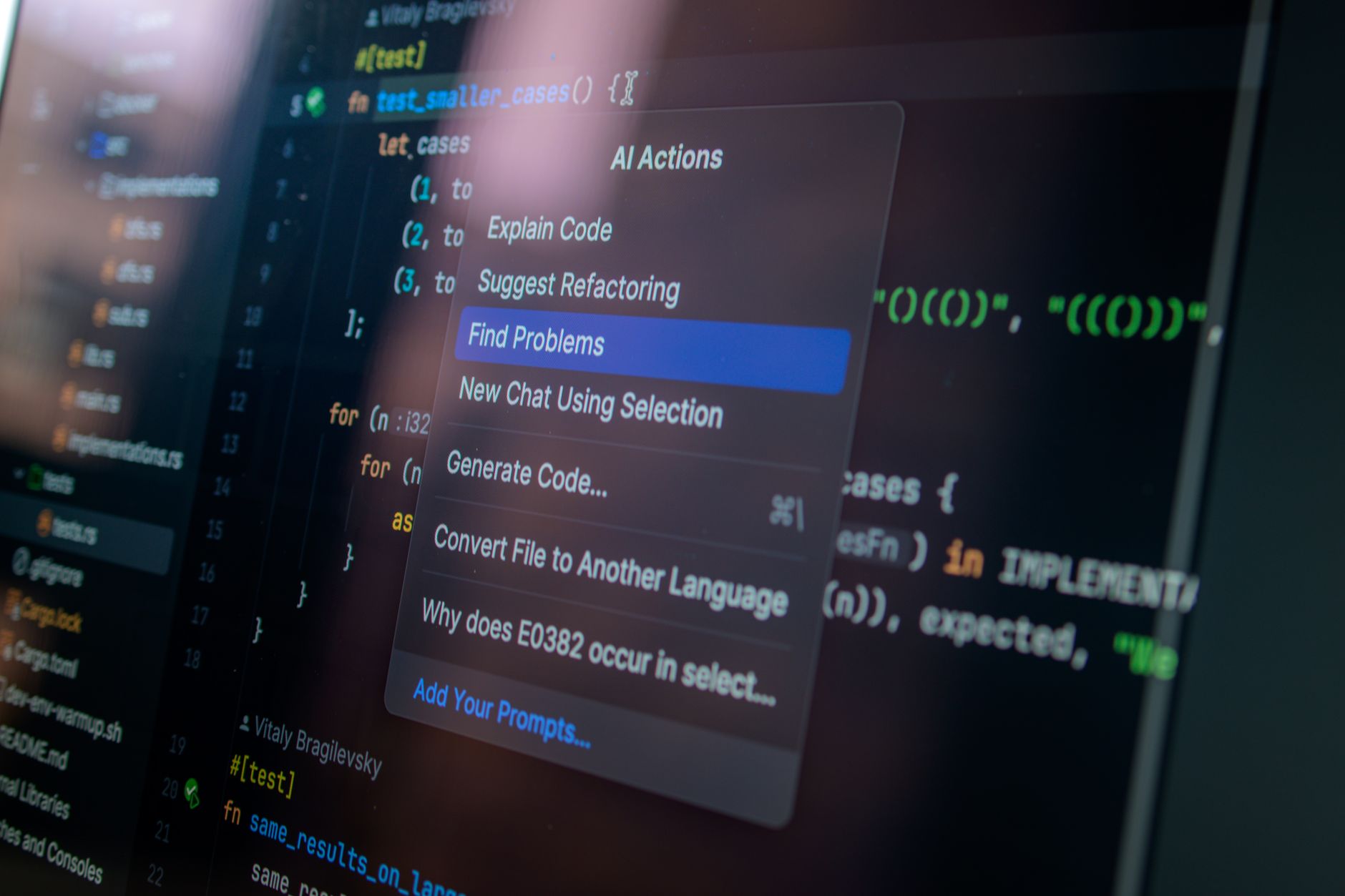
As the tech industry continues to navigate a shift toward automation and AI-driven solutions, Meta has made a bold entry into the competitive AI coding landscape with the launch of Muse Spark 1.1. This innovative tool is designed not just to assist developers but to revolutionize how coding tasks are approached in large enterprises. With the ability to handle extensive workloads, fix bugs, and manage substantial code migrations, Muse Spark 1.1 aims to meet the growing demand for more efficient coding solutions.
Key Takeaways
- Meta's Muse Spark 1.1 targets enterprise needs with enhanced automation capabilities.
- The tool focuses on handling large workloads, bug fixes, and code migrations.
- Competition in the AI coding sector is intensifying, with several key players already established.
- Muse Spark's introduction reflects a broader trend of integrating AI into software development processes.
- Enterprises are increasingly looking to AI to streamline operations and boost productivity.
Meta Enters the AI Coding Arena
The launch of Muse Spark 1.1 marks Meta's strategic entry into the AI coding space, an area already saturated with solutions from companies like OpenAI and Microsoft. This new tool positions Meta to capitalize on the increasing reliance of enterprises on automation for coding tasks. With Muse Spark, Meta is not merely adding another product to a crowded marketplace; it's responding to a clear demand for more sophisticated coding assistants that can alleviate the burdens placed on human developers.
Muse Spark 1.1 is engineered to handle large-scale coding challenges. This means that developers can expect assistance in managing vast amounts of code, performing debugging tasks efficiently, and executing code migrations with greater ease. As organizations grapple with legacy systems and the need to modernize their codebases, tools like Muse Spark become invaluable assets in the developer toolkit.
Why This Matters
The significance of Muse Spark 1.1 extends beyond Meta's ambitions; it reflects a fundamental shift in how enterprises approach software development. As the digital landscape evolves, so too do the challenges faced by developers. Organizations are increasingly turning to AI solutions for coding not only to enhance productivity but also to ensure higher quality outputs with fewer errors.
The introduction of Muse Spark signifies a growing recognition within the tech community that AI can serve as a powerful ally for developers. As traditional coding methods face limitations, AI-driven tools like Muse Spark can streamline workflows, reduce the cognitive load on developers, and improve overall project outcomes.
Background and Context
Meta's foray into AI coding builds on years of investment in artificial intelligence and machine learning technologies. The company's previous AI initiatives have laid a strong foundation for Muse Spark, allowing it to leverage cutting-edge algorithms and vast data resources to deliver a robust coding assistant. The evolution of AI in software development has been gradual, with early iterations focusing primarily on simple automation tasks. However, as machine learning models have advanced, the potential for AI to handle complex coding tasks has become increasingly plausible.
The market for AI coding tools is already competitive, with various players vying for dominance. OpenAI's Codex, for instance, has made significant strides in natural language processing, allowing it to generate code snippets based on user prompts. Microsoft’s GitHub Copilot has also gained traction, functioning as an AI-powered pair programmer that assists developers in real-time. In this context, Muse Spark must not only meet but exceed the capabilities of existing tools to carve out its niche in the market.
Expert Analysis
From a technical perspective, Muse Spark 1.1 is poised to disrupt the AI coding landscape by addressing specific pain points that developers face. The tool's ability to manage large agentic workloads is particularly noteworthy. This feature allows developers to offload repetitive tasks to Muse Spark, freeing them to focus on more creative and complex aspects of coding, such as architecture design and feature development.
Additionally, the focus on bug fixing is a critical enhancement. Debugging is often seen as one of the most tedious parts of software development, and any tool that can automate or expedite this process is likely to be welcomed by developers. By streamlining this stage of development, Muse Spark can significantly reduce time-to-market for software products, thereby increasing overall productivity.
Furthermore, the capability to assist in large code migrations is timely. As more enterprises look to modernize their IT infrastructure, the need for tools that can facilitate this transition becomes crucial. Muse Spark's features can help organizations navigate the complexities of moving from legacy systems to more agile and scalable architectures.
What This Means for Enterprises and Developers
For enterprises, the implications of Muse Spark 1.1 are profound. The tool is designed to enhance operational efficiency, ultimately resulting in cost savings and faster project completion times. As companies increasingly adopt AI solutions, those that leverage Muse Spark will likely gain a competitive edge in their respective markets.
For developers, Muse Spark represents a shift in the coding paradigm. Rather than viewing AI as a threat to their jobs, developers can see it as a powerful collaborator. With tools like Muse Spark, they can enhance their capabilities and tackle more challenging projects. This collaborative environment can lead to increased job satisfaction and creativity within teams.
Frequently Asked Questions
What is Muse Spark 1.1?
Muse Spark 1.1 is an AI-powered coding tool developed by Meta designed to assist developers with large workloads, bug fixes, and code migrations.
How does Muse Spark improve coding efficiency?
The tool automates repetitive coding tasks, identifies and fixes bugs, and facilitates the migration of legacy code, allowing developers to focus on more complex tasks.
What differentiates Muse Spark from other AI coding tools?
Muse Spark specifically targets enterprise needs with features that handle extensive coding challenges, which may not be as comprehensively addressed by other tools in the market.
Is Muse Spark suitable for small businesses as well as large enterprises?
While Muse Spark is tailored for large workloads typically associated with enterprises, small businesses can also benefit from its capabilities, especially as they grow and scale their coding needs.
The Road Ahead
Looking forward, Muse Spark 1.1 is likely to influence both the development landscape and the broader AI market. As Meta continues to refine and enhance its capabilities, it will be essential for the company to listen to user feedback and adapt to the ever-changing needs of developers. This responsiveness could determine how well Muse Spark competes against established players like OpenAI and Microsoft.
Moreover, the growing trend of integrating AI into various aspects of software development suggests that Muse Spark could pave the way for future innovations. As companies increasingly recognize the potential of AI to augment human capabilities, we can expect to see more tools that leverage machine learning to create even more sophisticated coding environments. The next few years could yield significant advancements in AI-assisted coding, making it an exciting time for developers and organizations alike.