SK Hynix's $26.5 Billion Listing: A New Era for Asian Firms in US Market
In a significant move that could reshape the landscape for Asian companies seeking to raise capital in Western markets, SK Hynix Inc., the South Korean memory chip giant, has announced a monumental $26.5 billion share sale in the United States. This landmark listing not only highlights the growing investor appetite for technology firms, particularly those connected to artificial intelligence (AI), but also revives a channel that had been pivotal for Asian firms navigating the challenging waters of the US financial landscape.
Key Takeaways
- SK Hynix's $26.5 billion US listing marks a critical resurgence for Asian firms in Western markets.
- The demand for AI infrastructure is driving investor interest, creating a favorable environment for tech companies.
- Wall Street's enthusiasm could pave the way for more Asian firms to pursue listings in the US.
- This move underscores the importance of strategic positioning in the global semiconductor market.
- Investors are increasingly looking to capitalize on the growth potential of AI and related technologies.
The Listing Announcement
SK Hynix’s recent announcement of a $26.5 billion share sale is not just a financial maneuver; it symbolizes a broader trend aimed at rejuvenating the ties between Asian firms and the US capital markets. This sale is anticipated to attract significant attention from institutional and retail investors alike, reflecting renewed confidence in technology stocks, especially in the semiconductor sector, which is critical for powering AI and other advanced technologies.
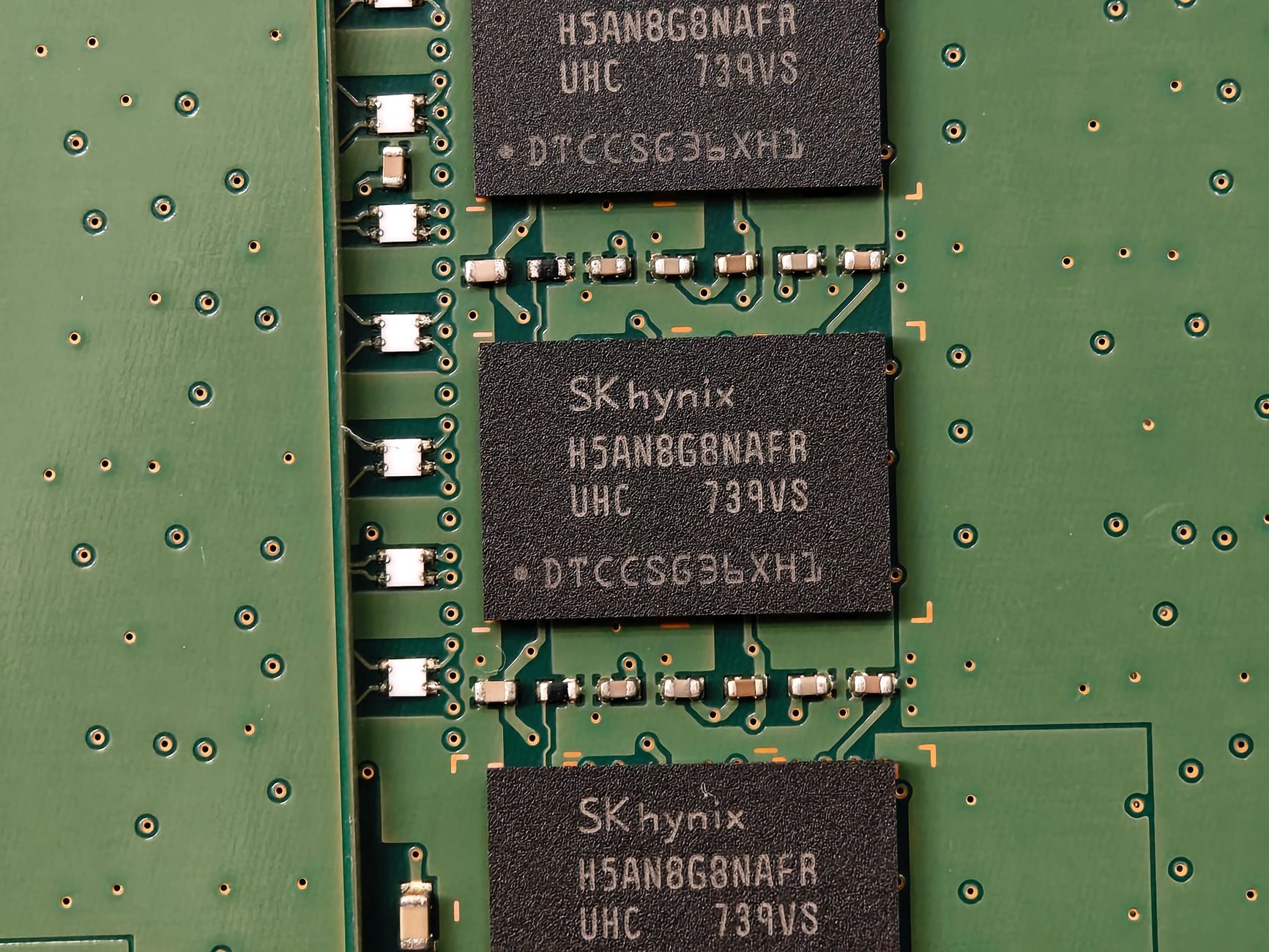
The listing comes at a time when the demand for memory chips is surging, driven by the rapid advancements in AI and machine learning. As companies rush to build AI infrastructure, the significance of memory chips — the backbone of data processing and storage — cannot be overstated. With SK Hynix positioning itself as a leading supplier, the firm is likely to benefit from increased orders and revenue, making its stock an attractive proposition for investors.
Wall Street's response to this news has been overwhelmingly positive, signaling a potential shift in investor sentiment towards Asian tech stocks. The anticipation surrounding the listing could also signal a thawing of the previous chill that had enveloped Asian companies contemplating US listings, primarily due to regulatory scrutiny and geopolitical tensions. As SK Hynix prepares to make its mark, it could very well set a precedent for other Asian companies looking to explore similar opportunities.
Why This Matters
The implications of SK Hynix’s listing extend beyond its financial ramifications. For years, the US market has been a challenging landscape for many Asian firms due to a combination of stringent regulations, geopolitical tensions, and fluctuating investor confidence. This latest move by SK Hynix represents a critical juncture, as it may encourage other Asian companies to consider US listings as a viable pathway for capital raising.
The reopening of this route is particularly significant given the increasing demand for AI technology and infrastructure. Investors are becoming increasingly aware of the potential growth opportunities within this sector. If SK Hynix's listing proves successful, it could ignite a wave of interest from other Asian tech firms, signaling a robust recovery in cross-border listings, which have been historically important for Asian companies seeking international exposure.
Background and Context
The semiconductor industry has long been a cornerstone of technological advancement, enabling innovations across various sectors, including consumer electronics, automotive, and, more recently, artificial intelligence. SK Hynix, founded in 1983, has grown to become one of the largest memory chip manufacturers globally, alongside competitors like Samsung and Micron Technology. The company has consistently invested in research and development to maintain its competitive edge, particularly in the face of increasing demand for memory and storage solutions.
Historically, Asian firms have relied on US markets for funding, leveraging favorable valuation multiples and an appetite for technology stocks. However, the last few years have seen a decline in this trend, primarily due to heightened regulatory scrutiny, trade tensions, and a general shift in investor sentiment towards domestic companies. The pandemic further complicated matters, as many companies postponed or abandoned their plans to enter the US market due to economic uncertainty.
Expert Analysis
From an analytical perspective, SK Hynix's decision to pursue such a substantial listing in the US is a calculated risk that reflects both external market conditions and internal corporate strategy. The firm appears to be capitalizing on the current bullish sentiment around AI technologies, where investors are eager to back companies that are poised to benefit from the AI boom.
Moreover, the sheer size of the listing indicates that SK Hynix is not merely looking for short-term gains but is strategically positioning itself for long-term growth. By entering the US market, the company can enhance its visibility, attract a broader investor base, and potentially increase its market valuation.
This strategic move also highlights the importance of narrative in the tech investment landscape. Companies that can effectively communicate their vision and potential, particularly in relation to emerging technologies like AI, are more likely to attract investment. For SK Hynix, the narrative revolves around being at the forefront of AI infrastructure, which is crucial for data-heavy applications such as autonomous vehicles, smart cities, and advanced cloud computing.
What This Means for Investors and the Tech Industry
For investors, SK Hynix’s listing is a clarion call to refocus on the semiconductor sector, especially as it relates to AI. The investment community is increasingly recognizing the critical role that memory and storage solutions play in the development of AI systems. As such, companies like SK Hynix that can demonstrate technological leadership and innovation are likely to be viewed as attractive investment opportunities.
For the tech industry at large, this development could signal a resurgence of interest in cross-border listings, particularly from Asian firms. If more companies follow SK Hynix’s lead, it could foster a more interconnected global technology ecosystem, where innovations and capital flow more freely across borders. This interconnectedness is vital for driving further advancements in technology and ultimately benefiting consumers worldwide.
Frequently Asked Questions
What is the significance of SK Hynix's $26.5 billion listing?
The listing represents a pivotal moment for Asian firms seeking to enter the US market, reviving a crucial funding route that had diminished in recent years. It signals renewed investor interest in technology stocks, particularly those connected to AI.
How does this listing impact the semiconductor industry?
SK Hynix's move is likely to bolster the semiconductor sector as it highlights the growing demand for memory chips driven by advancements in AI. The listing could encourage other firms to pursue similar opportunities, ultimately benefiting the industry as a whole.
What are the potential risks associated with SK Hynix's listing?
While the listing presents significant opportunities, risks include market volatility, regulatory scrutiny, and the potential for geopolitical tensions to impact investor sentiment. If the market shifts unfavorably, it could affect SK Hynix’s valuation and future prospects.
What does this mean for other Asian companies?
SK Hynix's successful listing could inspire other Asian companies to consider US listings as a viable option for raising capital, potentially leading to a resurgence of cross-border investment in the tech sector.
The Road Ahead
Looking forward, the implications of SK Hynix's $26.5 billion listing extend far beyond the immediate financial landscape. If this move proves successful, it could serve as a catalyst for a new wave of Asian technology firms seeking to tap into the lucrative US market. With AI and semiconductor technology becoming increasingly intertwined, the timing could not be more critical.
As the demand for AI infrastructure continues to grow, SK Hynix is well-positioned to capture a significant share of this market. The company’s strategic focus on innovation and expansion in the US could not only enhance its competitive edge but also elevate the profile of Asian firms in global markets. In the coming years, we may witness a renaissance of cross-border listings that could reshape the investment landscape, fostering a more integrated global economy.