Wall Street's Windfall: The SK Hynix IPO and Its Implications
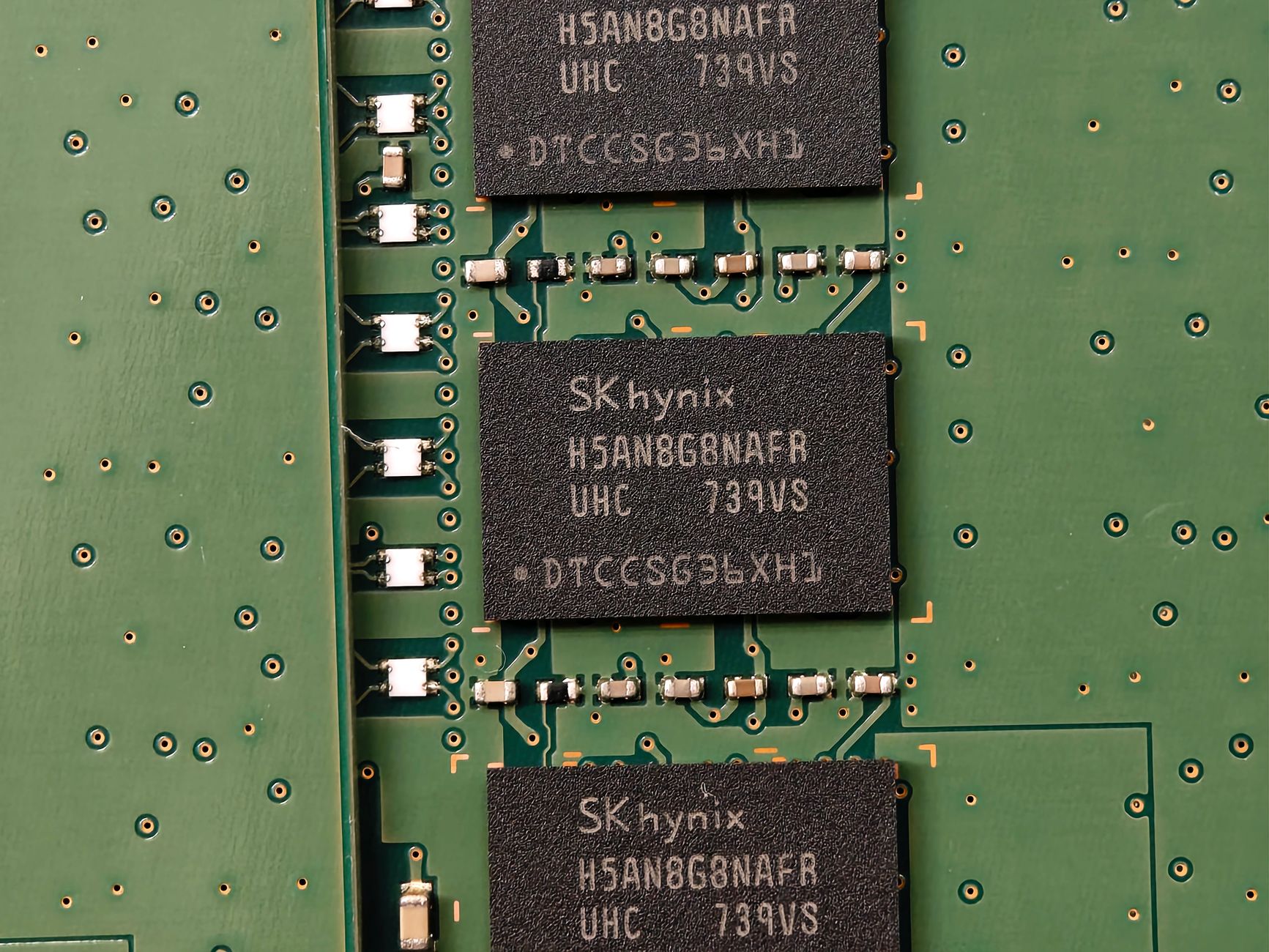
In a move that has sent shockwaves through the investment banking community, the recent IPO of South Korean chipmaker SK Hynix promises to yield significant financial rewards for Wall Street's top firms. With projections suggesting investment banks could rake in nine-figure fees from the IPO, the implications of this event stretch far beyond mere monetary gains, signaling a resurgence in semiconductor investments and a strategic pivot by major players in the tech industry.
Key Takeaways
- The IPO of SK Hynix could net investment banks fees exceeding $100 million.
- This event highlights the growing importance of semiconductor companies in the global economy.
- Wall Street is experiencing a renaissance in tech investments, particularly in the semiconductor sector.
- The IPO underscores the strategic positioning of South Korean firms in the global tech landscape.
- The massive fees reflect a broader trend of high-stakes financial maneuvers in the technology industry.
The Blockbuster Listing of SK Hynix
SK Hynix, one of the world's leading semiconductor manufacturers, has recently announced plans for a blockbuster IPO that could yield substantial financial rewards for investment bankers involved in the process. This development comes at a time when demand for memory chips is surging, driven by a myriad of applications ranging from consumer electronics to data centers and artificial intelligence. Analysts believe that the IPO could value SK Hynix at a staggering $70 billion, making it one of the largest tech listings in recent history.
The South Korean firm, known for its dynamic random-access memory (DRAM) and NAND flash products, is strategically positioning itself to capitalize on the booming semiconductor market. As companies across various industries increasingly rely on advanced memory solutions, SK Hynix's IPO represents a crucial moment not only for the company but also for the broader tech ecosystem. Investment banks like Goldman Sachs, Morgan Stanley, and JPMorgan Chase are expected to play pivotal roles in this listing, with reports indicating that they could collectively earn upwards of $100 million in fees—an eye-popping figure that underscores the high stakes involved.
This IPO comes against the backdrop of a global chip shortage that has affected numerous sectors, highlighting the critical role that semiconductor manufacturers play in the modern economy. As car manufacturers, consumer electronics companies, and cloud service providers scramble to secure adequate supplies, SK Hynix finds itself in a prime position to leverage its capabilities and expand its market presence. The successful launch of its IPO would not only bolster the company's financial standing but also set the stage for future growth initiatives, particularly in cutting-edge technologies like artificial intelligence and 5G.
Why This Matters
The implications of SK Hynix's IPO extend far beyond the immediate financial rewards for investment banks. It serves as a barometer of the current state of the semiconductor industry, which has been experiencing unprecedented demand in recent years. As technology continues to evolve, the reliance on memory chips is only expected to increase, positioning companies like SK Hynix at the forefront of innovation.
Moreover, the successful execution of this IPO could embolden other semiconductor firms to pursue similar paths, potentially leading to a wave of public offerings in a sector that has traditionally seen limited access to public markets. This could democratize investment opportunities in the technology sector, allowing retail investors to participate in the growth of companies that are crucial to the digital economy.
Additionally, the financial success of the IPO could have significant ramifications for South Korea's economy as a whole. As major players in the semiconductor industry, companies like SK Hynix contribute substantially to national GDP, job creation, and technological advancement. A successful IPO would not only enhance investor confidence in South Korean tech firms but also highlight the country's strategic importance in the global supply chain.
Background and Context
The semiconductor industry has been a cornerstone of technological advancement for decades, enabling innovations in computing, telecommunications, and consumer electronics. However, the landscape has shifted dramatically in recent years, particularly with the rising importance of memory chips. The global shift towards cloud computing, machine learning, and the Internet of Things (IoT) has led to an insatiable demand for high-performance memory solutions.
SK Hynix, established in 1983, has grown to become a major player in this field. The company has consistently invested in research and development, enabling it to stay ahead of the curve in an industry characterized by rapid technological changes. As competitors vie for market share, SK Hynix's decision to pursue an IPO is indicative of its confidence in future growth and its commitment to expanding its capabilities in the face of increasing demand.
Expert Analysis
The IPO of SK Hynix can be seen as a strategic maneuver that aligns with broader trends in the technology sector. Investment banks are not simply facilitating transactions; they are actively shaping the future of industries through their advisory roles. The fees associated with this IPO reflect the increasing complexity and value of tech-related offerings, as well as the heightened competition among financial institutions to capture lucrative mandates.
Furthermore, the ongoing global semiconductor shortage has reshaped market dynamics, creating an environment in which companies like SK Hynix can command premium valuations. The IPO allows the company to capitalize on this momentum, raising capital to invest in new technologies and expand production capacities. This is particularly relevant given the growing focus on AI and machine learning applications that require advanced memory solutions.
In addition to the immediate financial implications, the IPO could serve as a catalyst for further consolidation in the semiconductor industry. As smaller firms look to compete, they may seek partnerships or acquisitions to enhance their technological capabilities. This could lead to a more concentrated market, with a few key players dominating the landscape—a trend that has been observed in other tech sectors as well.
What This Means for Investors and Industry Stakeholders
For investors, the SK Hynix IPO presents a unique opportunity to gain exposure to a pivotal player in the semiconductor space. As demand for memory chips continues to surge, the potential for long-term growth in SK Hynix’s stock is significant. Savvy investors will want to closely monitor the company's performance post-IPO, as well as broader trends in the semiconductor market that could impact its valuation.
Industry stakeholders, including manufacturers, technology firms, and policymakers, should also take note of the implications of this IPO. For manufacturers, the successful listing could signal a shift in the competitive landscape, encouraging further investment in advanced memory technologies. Technology firms, particularly those reliant on semiconductors, may need to reassess their supply chain strategies in light of ongoing shortages and fluctuating prices. Policymakers should consider the broader economic impacts, particularly in regions where semiconductor manufacturing is a key driver of growth.
Frequently Asked Questions
What is the significance of SK Hynix's IPO?
The IPO of SK Hynix is significant as it underscores the growing importance of semiconductor companies in the global economy, offering substantial financial rewards for investment banks and signaling a potential wave of IPOs in the sector.
How will this IPO affect the semiconductor industry?
The SK Hynix IPO could lead to increased investment and innovation in the semiconductor space, potentially prompting other companies to pursue public offerings and reshaping market dynamics.
What are the potential risks associated with investing in SK Hynix?
Investors should be aware of risks such as market volatility, ongoing supply chain challenges, and the possibility of heightened competition in the semiconductor sector, which could impact SK Hynix's performance.
How might this IPO impact South Korea's economy?
The successful IPO of SK Hynix could enhance investor confidence in South Korean tech firms, contribute to national GDP, and reinforce the country's strategic importance in the global semiconductor supply chain.
The Road Ahead
Looking ahead, the successful IPO of SK Hynix could set a precedent for other semiconductor firms contemplating similar paths. The growing demand for advanced memory solutions and the ongoing global chip shortage are likely to drive further consolidation and innovation within the sector. As companies rush to secure their positions, we may witness a flurry of public offerings that could reshape the landscape of the technology industry.
Furthermore, this event highlights the crucial role that investment banks play in facilitating technological advancement. As they navigate the complexities of the semiconductor market, their strategies will significantly influence the trajectories of companies like SK Hynix. The interplay between investment banking and technology is poised to evolve, with potential implications for both sectors as they adapt to an ever-changing global economy.