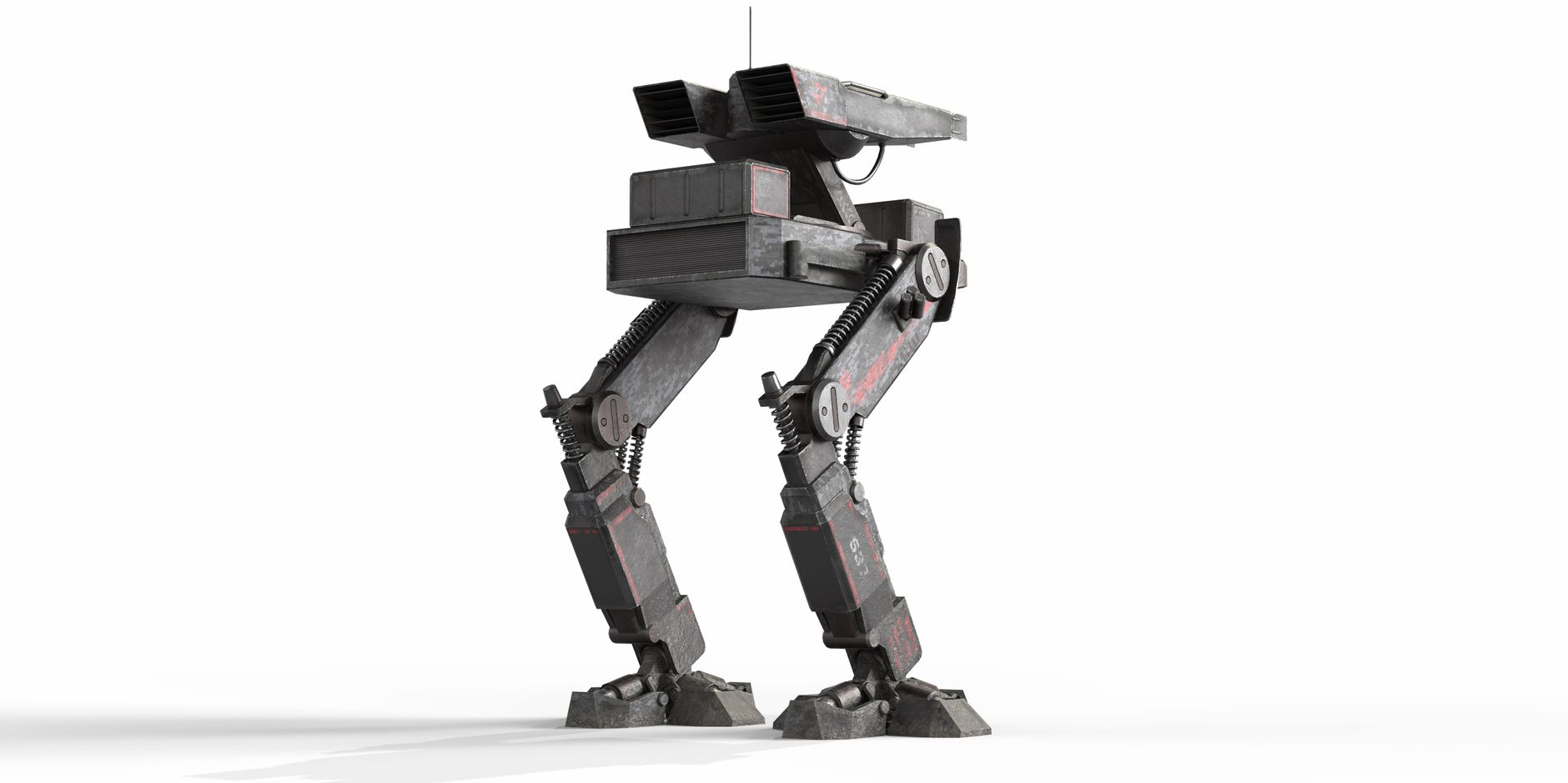
Silicon Valley's Armed Robots: The Future of Warfare and Regulation
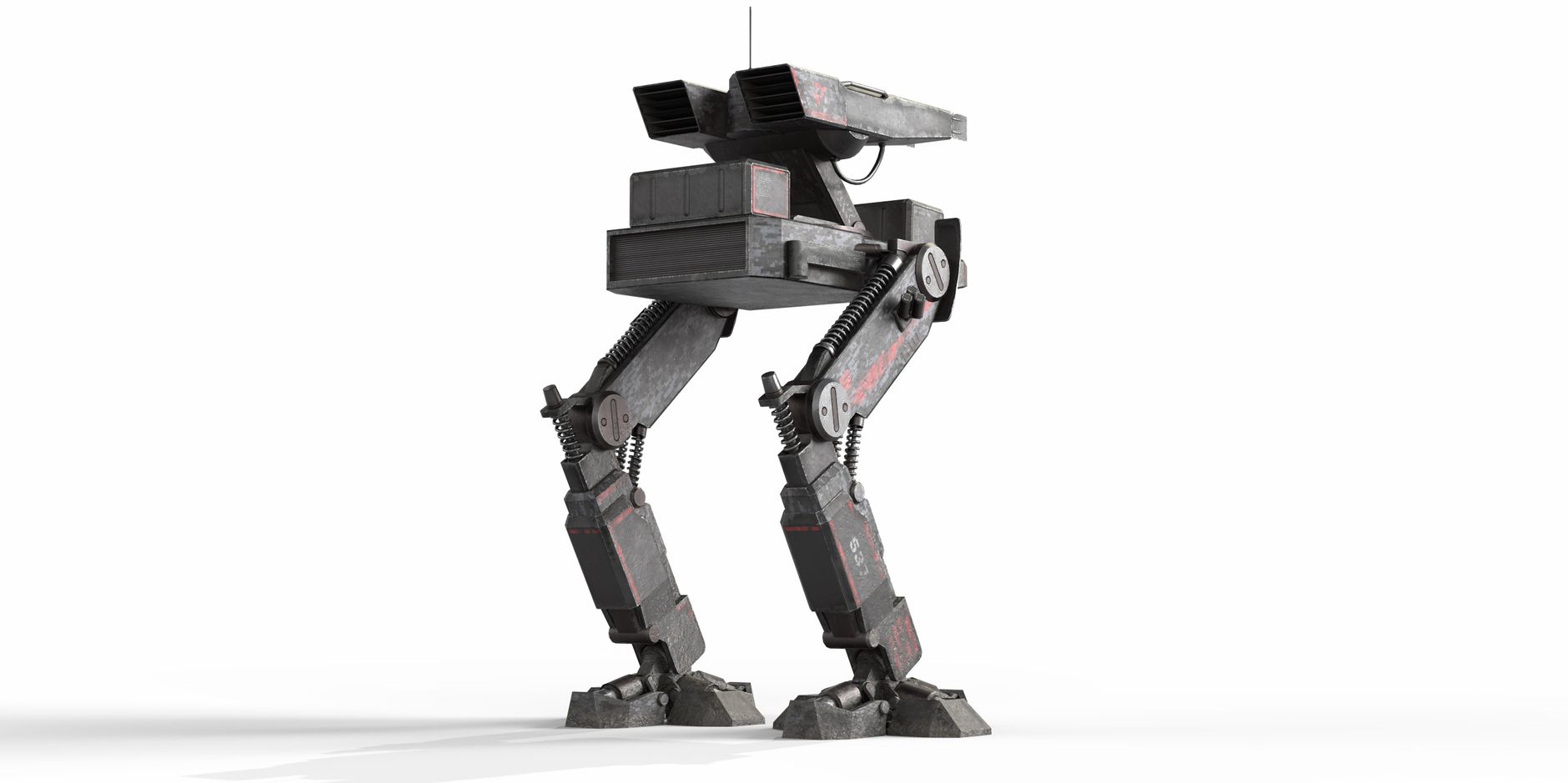
As Silicon Valley turns its gaze toward the battlefield, armed robots are no longer a distant fantasy but a pressing reality. With the Pentagon signaling a willingness to embrace artificial intelligence in military operations, the conversation around autonomous weapons has shifted from ethical concerns to practical implementation. The implications of this shift could redefine how wars are fought and the ethical frameworks guiding their deployment.
Key Takeaways
- The U.S. administration is advocating for the military adoption of AI-driven armed robots, challenging long-held ethical reservations.
- Silicon Valley tech companies are rapidly developing autonomous weapon systems, raising questions about accountability and regulation.
- Potential benefits of armed robots include increased operational efficiency and reduced human casualties in combat.
- Critics warn of the dangers posed by autonomous systems, including the risk of unintended engagements and loss of human oversight.
- The push for armed robots reflects a broader trend where technology shapes military strategy and international relations.
What Happened
The recent article by Technology outlines a significant pivot within the U.S. military's approach to warfare—the embrace of armed robots powered by artificial intelligence. This shift is largely driven by the current administration's push for advanced technologies to outperform global adversaries in military capabilities. For years, ethical concerns and fears of losing human oversight have held back the development and deployment of autonomous weapon systems. However, as the geopolitical landscape evolves, so too does the willingness to reconsider these long-standing reservations.
As the Defense Department ramps up its investments in AI, tech giants in Silicon Valley are responding by innovating faster than regulations can keep up. Companies specializing in AI, robotics, and defense technology are now working on creating weapons systems that can make real-time decisions without human intervention, a move that raises important questions about accountability. The article raises the alarm about how quickly these discussions are evolving and the potential for this technology to be deployed before adequate safeguards are in place.
Why This Matters
The implications of adopting armed robots in military operations extend far beyond the battlefield. For one, this development signals a dramatic shift in military strategy, moving from human-operated systems to autonomous decision-making. This could lead to faster engagement times and potentially more effective military operations. However, the transition also poses significant risks, including the potential for miscalculations in combat scenarios and the ethical dilemmas surrounding the delegation of life-and-death decisions to machines.
Furthermore, as armed robots become a more integral part of military strategy, the conversation surrounding international regulations will intensify. Nations may rush to develop their autonomous systems, creating an arms race that could destabilize global military power balances. The lack of clear regulatory frameworks for these technologies raises concerns about their proliferation into the hands of rogue states or non-state actors, potentially leading to unprecedented levels of conflict.
Background and Context
The concept of autonomous weapons isn't new, but recent advancements in AI have brought it to the forefront of military discussions. Historically, the development of military technology has always been a reflection of societal values and ethics. For instance, the introduction of drones in warfare offered increased surveillance capabilities but also sparked debates about privacy and civilian casualties.
Over the past decade, major powers, including the U.S., Russia, and China, have been investing heavily in AI and robotics. The Pentagon's interest in AI for military applications isn't merely a reaction to current events but part of a larger strategy to maintain military superiority. The increasing capabilities of AI systems suggest that the future of warfare may not only involve more sophisticated technology but also a fundamental rethinking of how wars are fought and won.
Expert Analysis
The introduction of armed robots into military operations raises pressing ethical questions. At the heart of the debate is the concept of accountability. Who is responsible when an autonomous system makes a mistake? The programmer? The military command? Or the robot itself? These questions become even more complicated when considering international laws of warfare, which are designed to protect civilians and limit unnecessary suffering.
Critics of armed robots argue that the potential for error in autonomous systems is significant. Machines, no matter how sophisticated, lack the human ability to understand context, emotion, and moral implications. This limitation could lead to catastrophic outcomes, especially in complex urban environments where distinguishing between combatants and civilians is critical. The consequences of a miscalculation could lead not only to loss of life but also to broader geopolitical tensions.
Moreover, the reliance on technology could create a false sense of security. Military leaders may be tempted to engage in conflicts more readily, believing that robots can mitigate risks. This mindset could lead to more aggressive military stances and an increased propensity for conflict, undermining efforts to pursue diplomatic solutions. Understanding these dynamics is essential for policymakers as they navigate the complexities of modern warfare.
What This Means for the Military and Technology Sectors
For military leaders, the adoption of armed robots could mean a significant shift in strategy and operations. Efficiency and rapid response times could enhance the effectiveness of military engagements, but it also comes with the responsibility of ensuring that these systems operate within ethical and legal frameworks. As the military integrates these technologies, training and protocols will need to evolve to include not only technical proficiency but also ethical considerations.
For technology companies, the opportunity to develop advanced military applications poses both potential profits and moral dilemmas. Firms must navigate a complex landscape of public opinion, ethical concerns, and regulatory environments. As the demand for AI-driven technologies grows, companies will need to engage in open dialogues about the implications of their innovations, ensuring they contribute to solutions rather than exacerbate problems.
Frequently Asked Questions
What are armed robots, and how do they work?
Armed robots are autonomous or semi-autonomous systems designed to engage targets without direct human intervention. They utilize AI algorithms to process data from sensors, make decisions, and execute actions in real-time.
What are the ethical concerns surrounding armed robots?
Ethical concerns include accountability for mistakes made by autonomous systems, the potential for increased civilian casualties, and the moral implications of delegating life-and-death decisions to machines.
How could armed robots change the nature of warfare?
Armed robots may increase efficiency and speed in military operations, but they also risk normalizing military engagements and could lead to more conflicts due to perceived lower risks.
What are the regulatory challenges associated with armed robots?
The rapid advancement of technology often outpaces regulatory frameworks. This gap raises concerns about how armed robots will be governed, especially regarding international laws and standards for warfare.
The Road Ahead
As the U.S. military and Silicon Valley continue to push the boundaries of technology in warfare, the next decade could witness a transformative era in military strategy. The integration of armed robots could reshape not only battlefields but also the ethical and legal frameworks that govern warfare. Policymakers must act swiftly to establish regulations that guide the development and deployment of these technologies, ensuring that they enhance security rather than create new threats.
Looking ahead, the conversation surrounding armed robots will likely intensify, encompassing not only military leaders and technologists but also ethicists, lawmakers, and the public. As society grapples with the implications of autonomous warfare, finding a balance between innovation and accountability will be crucial. The path forward demands careful consideration of both the capabilities of technology and the moral responsibilities that come with wielding such power.