How Shift’s Free Cleaning Service is Revolutionizing AI Training
In an intriguing blend of technological innovation and consumer service, the AI startup Shift is offering free home cleaning in exchange for valuable training data to enhance robotic cleaners. This unconventional approach raises questions about privacy, technology adoption, and the future of household AI systems. As the lines between service and data collection blur, it's imperative to understand the implications of such a model.
Key Takeaways
- Shift offers free home cleaning services, capturing data to train AI robots.
- The initiative highlights the growing need for high-quality training data in AI development.
- Concerns arise around privacy, consent, and the ethical implications of data collection.
- This model poses a new paradigm for service-based startups leveraging AI technology.
- Consumer acceptance will be crucial for the success of such innovative business models.
What Happened
Shift, an AI training startup, caused quite a stir by announcing its offer of free cleaning services for households willing to let the company record the cleaning process. According to their social media announcement, the primary aim of this initiative is to gather data that can be used for training robots to clean homes more effectively in the future. While the allure of a spotless home without any cost is tempting, the trade-off involves allowing Shift to document the cleaning process extensively.
During the cleaning sessions, the startup will record various activities such as scrubbing, vacuuming, dusting, and tidying. This data will then feed into machine learning models designed to enable robots to better understand and execute household chores. This initiative is not just about cleaning; it represents a broader trend where startups are finding innovative ways to gather the data necessary to advance AI technologies.
Why This Matters
The Shift initiative underscores a critical issue in the AI industry: the need for high-quality training data. For AI systems, especially those focused on tasks like cleaning, having access to diverse and extensive data sets is essential to develop models that can perform accurately in real-world situations. The cleaning industry, often overlooked in AI development, presents numerous challenges that robotic systems need to tackle, from identifying dirt and grime to understanding the optimal cleaning techniques for various surfaces.
Moreover, this initiative could set a precedent for how AI training data is gathered in the future. Rather than relying solely on simulations or synthetic data, companies like Shift are engaging directly with consumers to obtain real-world data. This not only enhances the quality of the training data but also fosters a sense of community engagement and partnership between consumers and tech developers.
Background and Context
Historically, the collection of data for AI training has posed significant challenges for developers. Traditional methods often involve manual data collection, which can be both time-consuming and costly. The advent of consumer-driven data collection, as exemplified by Shift, reflects a shift in how these challenges are approached. By offering a service that consumers value, companies can gather the necessary data while providing a tangible benefit.
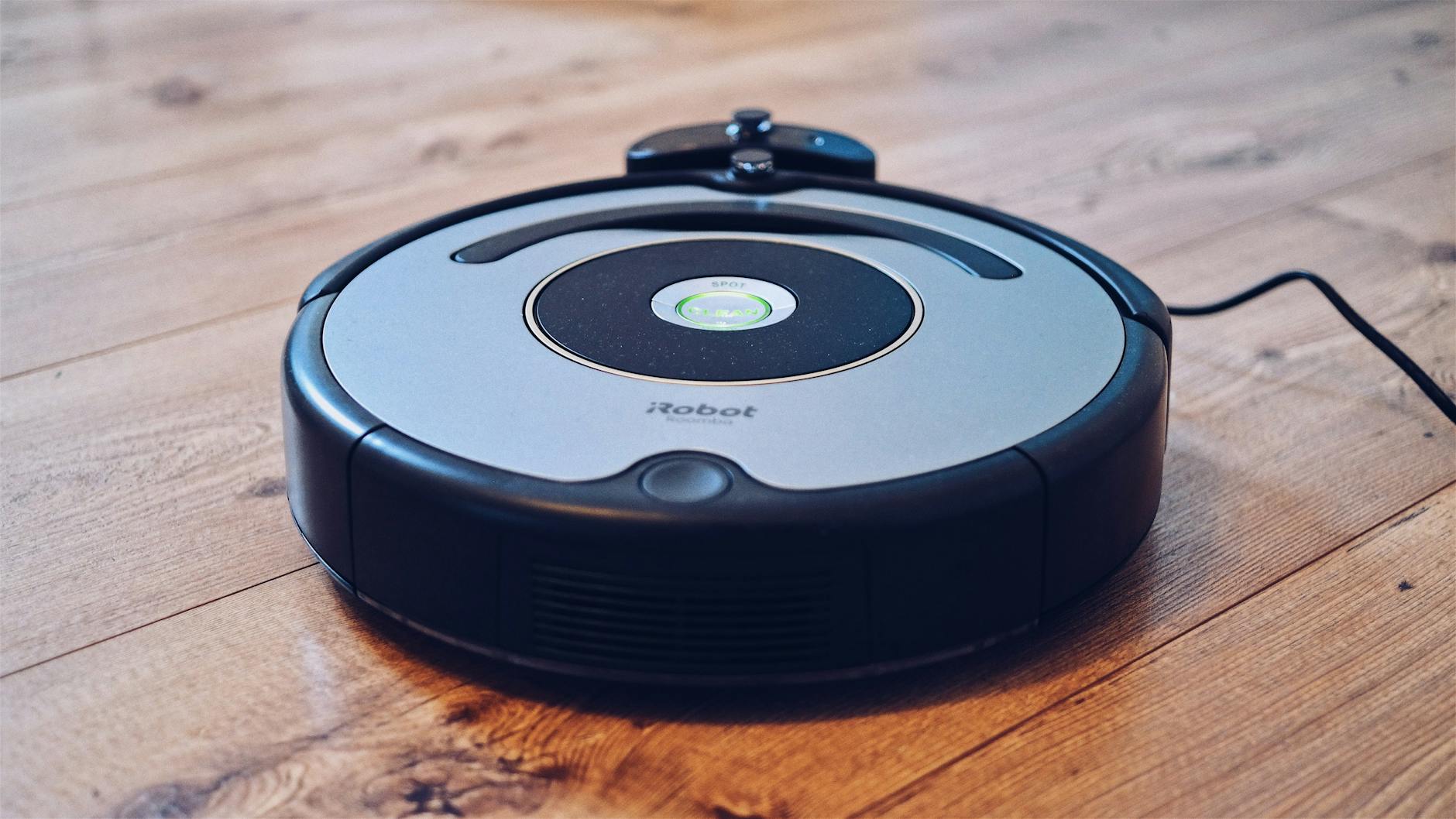
Moreover, the rise of smart home devices has created an ecosystem ripe for AI integration. Companies such as iRobot and Ecovacs have already made significant strides in developing robotic vacuum cleaners that utilize AI to navigate and clean homes. However, as these devices become more sophisticated, the demand for more nuanced data grows. Shift's approach not only addresses this need but also highlights the competitive landscape in which AI companies operate.
Expert Analysis
Shift's model of offering free cleaning services as a means to train AI robots is a bold experiment in leveraging consumer behavior for technological advancement. This strategy may very well represent the future of how AI startups operate, particularly as the demand for data continues to grow. However, this model is not without its risks and implications.
One of the most pressing concerns is related to privacy. While Shift may obtain consent from users, the extent of data collected and how it is used remains ambiguous. For many consumers, the idea of having their homes recorded, even with the intention of improving robotic technology, can be unsettling. This concern is amplified by the increasing awareness of data privacy issues across the globe.
Furthermore, there is the risk of creating a service that is perceived as exploitative. While the offer of free cleaning is appealing, it raises questions about the true value of the service. Is the cleaning being undervalued in exchange for data? Will consumers feel they are being used merely as subjects in an experiment? For Shift to succeed, it will need to navigate these complex ethical waters carefully.
What This Means for Consumers and Industry Stakeholders
For consumers, the Shift initiative presents both opportunities and challenges. On one hand, the prospect of free cleaning services is undeniably attractive, especially for those who may struggle to keep up with household chores. On the other hand, consumers must weigh the benefits against the potential risks associated with data privacy and the commodification of personal spaces.
For industry stakeholders, particularly those in the AI and robotics sectors, Shift's approach could serve as a case study for future innovations. It opens the door to a new business model where consumer engagement and direct data collection are central to development. Companies that can successfully balance consumer benefits with ethical considerations may find themselves at a distinct advantage in a competitive market.
Frequently Asked Questions
Is the cleaning service truly free?
Yes, Shift is offering free cleaning services in exchange for the ability to record the cleaning process for AI training purposes. Consumers should carefully consider the terms and conditions of this offer.
What kind of data will Shift collect during the cleaning process?
Shift plans to record various cleaning activities including scrubbing, vacuuming, and tidying to gather data that helps improve the performance of robotic cleaners.
Are there any privacy risks associated with this service?
Yes, privacy concerns are a significant consideration. Consumers should be aware that their homes will be recorded, and they should assess their comfort level with this data collection.
How will this affect the future of cleaning robots?
This initiative could lead to more advanced cleaning robots that are better equipped to handle household tasks, as they will be trained on real-world data collected from consumers' homes.
The Road Ahead
As Shift and similar companies push the boundaries of data-driven AI training, the implications for consumers and the AI industry are profound. The success of this initiative will hinge not only on the quality of the data collected but also on how transparently and ethically it is managed. If consumers feel empowered and valued in this exchange, it could pave the way for more innovative collaborations between technology companies and the public.
Looking forward, there is a strong possibility that we will see more companies adopting similar models, where consumer participation is integral to the development of AI technologies. For the AI ecosystem to thrive, it will be essential to establish clear guidelines and ethical standards surrounding data collection, ensuring that innovation does not come at the expense of consumer trust and privacy.