Russia's Drone Edge: A Strategic Threat to the Baltics
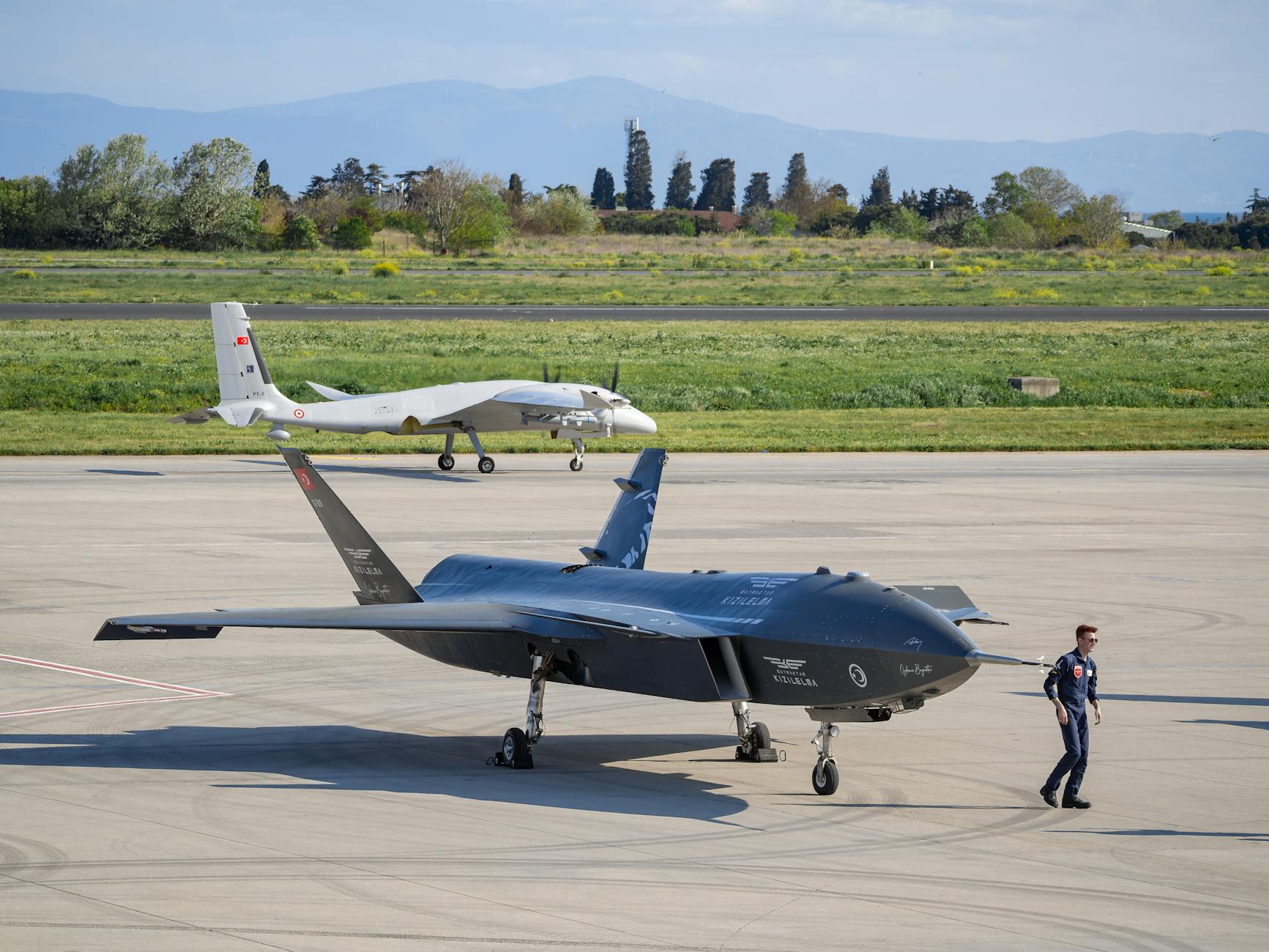
In a stark warning, a top military official from Latvia has raised alarms about Russia's burgeoning drone capabilities and their potential implications for NATO security in the Baltics. This proclamation isn't just a routine military assessment; it signals a shift in the strategic landscape of Eastern Europe, where aerial warfare is increasingly dominated by unmanned systems. The implications of this development could reshape NATO's defense posture in the region by the end of 2028.
Key Takeaways
- Latvian military chief warns of Russia's technological advancements in drone warfare.
- Potential for a drone-based attack on NATO by 2028 raises concerns within the alliance.
- The Baltic states' geographical position makes them vulnerable to aerial threats.
- Increased emphasis on drone warfare may necessitate a reevaluation of NATO's strategic defense initiatives.
- Collaboration among NATO members could lead to enhanced counter-drone measures and technologies.
Understanding the Current Landscape
The warning from the Latvian general underscores the growing concerns among NATO allies about Russia's military capabilities, especially in drone technology. Russia has made significant strides in developing and deploying unmanned aerial vehicles (UAVs) that have been effectively utilized in various conflict zones, from Syria to Ukraine. These advancements have not gone unnoticed by military strategists in the Baltic states, who recognize the potential for Russia to leverage its drone edge as a means to exert pressure on NATO.
The Baltic states—Latvia, Estonia, and Lithuania—are strategically positioned along Europe's northeastern flank, sharing borders with Russia and facing unique security challenges. The geographical proximity to Russia amplifies the risks posed by its military capabilities, particularly as drones can be deployed quickly and with relative stealth compared to traditional military assets. The potential for conflict in this region is not just theoretical; recent military exercises and aggressive posturing by Russia have heightened tensions and prompted NATO to bolster its presence in Eastern Europe.
Why This Matters
The implications of Russia's drone capabilities extend beyond the immediate threat to the Baltic states; they pose a significant challenge to NATO's collective defense strategy. The concern is that, if left unaddressed, Russia could leverage its technological advantages to disrupt NATO operations and create a sense of uncertainty among member states. This could weaken the alliance's resolve and deter collective defense actions.
Furthermore, the potential for drone warfare to redefine traditional military engagements means that NATO must adapt its strategies and technologies to counter this emerging threat. As nations invest more in drone technology, the landscape of warfare will become increasingly asymmetric, with lower-cost UAVs capable of inflicting significant damage on more expensive and traditional military assets. This shift necessitates a reassessment of how NATO approaches defense in the Baltics and a move towards integrating advanced technologies into its strategic framework.
Background and Context
The evolution of drone technology over the past two decades has transformed military operations globally. Initially developed for reconnaissance purposes, drones have since advanced to include armed systems capable of conducting precision strikes and surveillance. The proliferation of these technologies has made them accessible not just to major powers like the United States and Russia but also to non-state actors and smaller nations. This democratization of drone warfare is what makes the situation in the Baltics particularly precarious.
Historically, the Baltic states have been at the forefront of NATO's eastern defense strategy, especially following Russia's annexation of Crimea in 2014. This event marked a turning point in European security, prompting NATO to enhance its presence in the region through increased troop deployments and military exercises. The strategic landscape continues to evolve, with drone technology presenting both new opportunities and challenges for regional security.
Expert Analysis
Delving deeper into the implications of Russia's advancements in drone technology reveals several key considerations. First, the potential for asymmetric warfare is heightened; drones enable smaller nations or adversaries to challenge traditional military powers effectively. Russia's investment in drone technology is not merely for offensive capabilities but also serves as a deterrent against NATO's conventional military advantage.
Moreover, the integration of drones into Russia's military strategy reflects a broader trend towards hybrid warfare, where state and non-state actors employ a combination of conventional and unconventional tactics. These tactics can include disinformation campaigns, cyber warfare, and the use of UAVs to conduct strikes or gather intelligence. The use of drones in this context complicates NATO's response options, as the alliance must balance immediate tactical responses with long-term strategic planning.
Additionally, the evolving nature of drone warfare necessitates a rethinking of countermeasures. As UAV technologies continue to advance, NATO must invest in electronic warfare capabilities, anti-drone systems, and other technologies to mitigate the risks posed by enemy drones. This includes developing integrated defense systems that can operate across air, land, and sea domains, ensuring that NATO's response is both comprehensive and effective.
What This Means for NATO and the Baltics
The warning from the Latvian general signals a potential shift in NATO's operational focus towards countering drone threats in the Baltics. This could lead to a reallocation of resources, increased funding for research and development of counter-drone technologies, and enhanced collaboration among member states. The focus will likely shift towards intelligence-sharing initiatives, joint exercises that simulate drone attacks, and the development of standard operating procedures for responding to UAV threats.
Furthermore, the geopolitical landscape in Eastern Europe may prompt NATO to reconsider its force posture in the region. This could involve increasing troop levels, establishing permanent bases, or enhancing rapid response capabilities to deter any potential aggression from Russia. The emphasis would be on demonstrating collective resolve and ensuring that any potential threats are met with a unified and robust response from all NATO members.
Frequently Asked Questions
What specific drone technologies is Russia developing?
Russia has been focusing on a range of drone technologies, including surveillance drones for intelligence gathering and combat UAVs capable of delivering precision strikes. The advancements in these areas have been observed through their deployment in various conflict zones.
How can NATO counter the drone threat?
NATO can counter the drone threat through a combination of strategies, including investing in electronic warfare systems, developing anti-drone technologies, and enhancing intelligence-sharing among member states to monitor and respond to potential UAV threats.
What are the implications for Baltic states' defense budgets?
The potential threat posed by Russian drones may lead Baltic states to increase their defense budgets, prioritizing investments in advanced technologies and collaborative defense initiatives with NATO allies to bolster their security measures.
Could this lead to an arms race in drone technology?
Yes, the advancements in drone technology by Russia may trigger an arms race, as NATO and other nations feel compelled to enhance their own drone capabilities and countermeasures to maintain a strategic advantage in the region.
The Road Ahead
Looking towards the future, the strategic landscape in the Baltics will likely continue to evolve as drone technology becomes more integrated into military operations. NATO must remain vigilant and proactive in developing strategies that address these emerging threats. This includes not just enhancing current capabilities but also fostering innovation and collaboration among member states.
Ultimately, the situation necessitates a comprehensive approach that balances immediate tactical responses with long-term strategic planning. By investing in research, fostering international cooperation, and adapting to the changing nature of warfare, NATO can better prepare for the challenges posed by Russia's drone capabilities and ensure the security of the Baltic states.