Are Robots Approaching Their ChatGPT Moment? Exploring Innovations
Imagine a world where robots not only assist in mundane tasks but also outperform humans in complex activities, much like AI-driven chatbots have transformed communication. Recent advancements indicate that we might be on the brink of a robotics revolution, exemplified by a robot named Lightning, which recently bested a human marathon record by nearly seven minutes. This breakthrough raises questions about the future integration of robots into everyday life and the implications of China's substantial investments in robotics.
Key Takeaways
- The robot Lightning recently set a new marathon record, beating human times by a significant margin.
- China has pledged over £100 billion to advance its robotics sector over the next two decades.
- The rise of robotics parallels the advancements seen with AI chatbots like ChatGPT, indicating a shift in workforce dynamics.
- Robots are increasingly being integrated into various sectors, including manufacturing and healthcare, enhancing productivity and efficiency.
- The ethical implications of robotics entering everyday life must be addressed as technology evolves.
Recent Developments in Robotics
The recent performance of Lightning at Beijing’s half marathon is a significant milestone for robotics. This event not only marked a new record in the world of athletics but also demonstrated the capabilities of AI-powered robots in physical performance. Lightning’s achievement is representative of broader trends in the robotics field, where advancements in machine learning and physical engineering are converging to produce machines that can execute tasks traditionally reserved for humans.
China is leading this charge, with a commitment of over £100 billion to develop and deploy robots across various industries over the next 20 years. This investment signals not just a financial commitment but a strategic move to position China at the forefront of global robotics innovation. The implications of such investments are vast, as they create opportunities for robots to transition from factory floors to homes, offices, and public spaces.
Why This Matters
The implications of robotics entering our daily lives are profound. As robots become more capable, they are likely to replace or augment human workers in a variety of fields, from manufacturing to healthcare. The automation of routine tasks can lead to increased productivity, lower costs, and enhanced efficiency. However, this transition also raises significant concerns about job displacement and the need for workforce retraining.
Additionally, robots have the potential to perform tasks that are dangerous or difficult for humans, such as working in hazardous environments or providing care for the elderly. As the technology matures, society will need to grapple with the ethical implications of relying on robots for such responsibilities, including questions of accountability, reliability, and the emotional impact on human interactions.
Background and Context
The journey of robotics has evolved significantly over the past few decades. Early robots were primarily limited to manufacturing environments, performing repetitive tasks with precision but lacking the intelligence to adapt to dynamic situations. The introduction of AI and machine learning has transformed this landscape, enabling robots to learn from their environments and make autonomous decisions.
China's aggressive investment in robotics is not just a response to technological advancements but also a strategic move in the context of global competition. With a focus on enhancing domestic capabilities and reducing reliance on foreign technologies, China aims to establish itself as a leader in the robotics sector. The implications of this shift extend beyond economic considerations; they also influence geopolitical dynamics as countries race to harness the power of AI and robotics.
Expert Analysis
Industry experts suggest that the recent achievements in robotics signal the onset of a new era where robots become more integrated into everyday life. This evolution parallels the rise of AI chatbots, which have transformed communication and customer service sectors. Just as chatbots have improved efficiency and accessibility, robots are poised to enhance various aspects of life.
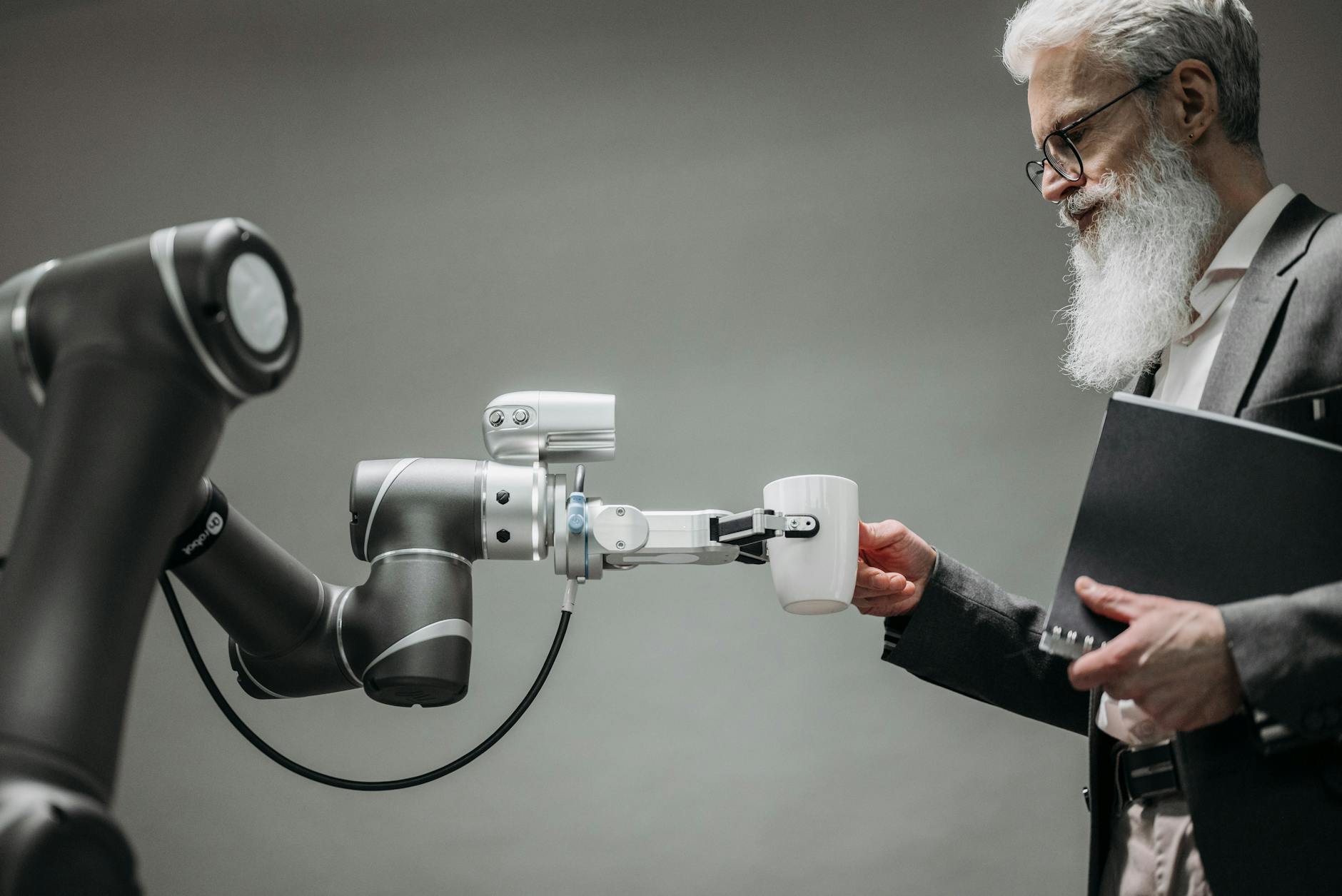
One of the most compelling aspects of robotics is their potential for collaboration with humans. Unlike chatbots, which often operate independently, robots can be designed to work alongside human workers, augmenting capabilities rather than replacing them. This collaborative approach could lead to a new paradigm in the workforce, where humans and robots coexist and complement each other's strengths.
Furthermore, the ethical considerations surrounding the deployment of robots are critical. As robots take on more responsibilities, questions arise about their decision-making processes, the consequences of their actions, and the moral implications of relying on machines for tasks traditionally performed by humans. Establishing frameworks for accountability and ethical use will be essential as robotics technology continues to advance.
What This Means for Industries, Users, and Developers
The integration of advanced robotics into industries will likely yield practical benefits for both businesses and consumers. For businesses, robots can lead to cost savings, increased productivity, and improved safety. For example, in manufacturing, robots can operate 24/7 without fatigue, leading to higher output and efficiency. In healthcare, robots can assist in surgeries or provide care for patients, enhancing the quality of care.
For users, the presence of robots can enhance convenience and accessibility. Imagine a scenario where robots handle mundane household chores, freeing up time for individuals to focus on more meaningful activities. However, users must also be prepared for the implications of this shift, including the need to adapt to new technologies and the potential impact on job markets.
Developers play a crucial role in shaping the future of robotics. As they innovate and create new applications, they must consider not only the technical aspects but also the ethical implications of their work. The development of robots should prioritize human safety, transparency, and accountability to ensure that the technology benefits society as a whole.
Frequently Asked Questions
What types of tasks can robots perform in the workplace?
Robots can perform a wide range of tasks, from manufacturing and assembly line work to logistical functions like inventory management and delivery. In healthcare, they can assist in surgeries and provide patient care, while in hospitality, robots can handle customer service tasks.
How will robotics impact job markets?
The impact of robotics on job markets is multifaceted. While some jobs may be displaced, new opportunities will also arise in fields related to robotics maintenance, programming, and oversight. Retraining programs will be essential to help workers transition into new roles.
What ethical concerns are associated with robotics?
Ethical concerns include accountability for robots' actions, the potential for bias in decision-making algorithms, and the emotional implications of human-robot interactions. Establishing ethical guidelines and oversight will be crucial as robotics technology evolves.
How can consumers prepare for the rise of robotics?
Consumers can prepare by staying informed about advancements in robotics, being open to adopting new technologies, and considering the implications of these technologies on their daily lives and jobs. Embracing continuous learning and adapting to changes will be essential.
The Road Ahead
As we look to the future, the potential for robotics to reshape our world is immense. With advancements in AI and machine learning, robots are becoming more capable and versatile, moving beyond the confines of manufacturing to integrate into our daily lives. This transformation promises a host of benefits, from increased productivity to enhanced quality of life.
However, it is imperative that we approach this future with caution. As robots take on more responsibilities, we must consider the ethical implications of their use and ensure that their deployment serves the greater good. The collaboration between humans and robots can lead to a new era of innovation, but it requires careful oversight and a commitment to ethical practices. As we stand on the cusp of this robotic revolution, the choices we make now will shape the future for generations to come.