Qualcomm and ByteDance: A Game-Changing AI Chip Collaboration
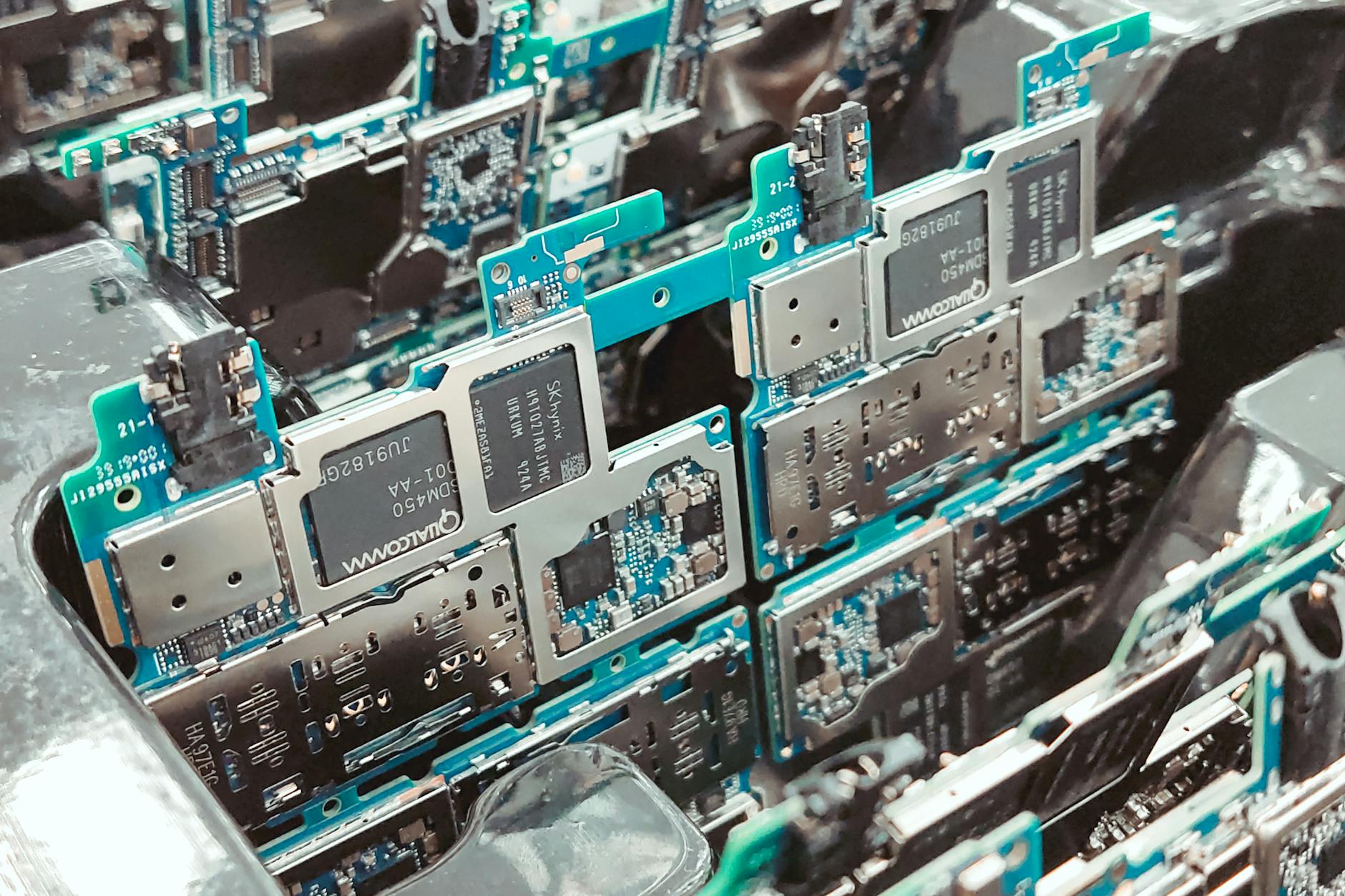
The recent partnership between Qualcomm Inc. and ByteDance Ltd., the owner of TikTok, signifies a strategic pivot in the rapidly evolving landscape of artificial intelligence (AI) infrastructure. By securing a deal to supply chips for AI data centers, Qualcomm is not only expanding its footprint beyond smartphone processors but also positioning itself as a key player in the AI ecosystem. This development has far-reaching implications not just for Qualcomm and ByteDance, but for the broader tech industry focused on AI innovation.
Key Takeaways
- Qualcomm has partnered with ByteDance to supply AI chips for data centers.
- This deal marks Qualcomm's strategic expansion into the AI infrastructure market.
- ByteDance aims to enhance its AI capabilities, particularly for its popular platforms like TikTok.
- The partnership underscores the growing demand for AI processing power in global tech.
- This collaboration could reshape competitive dynamics among tech giants investing in AI infrastructure.
Qualcomm and ByteDance’s AI Chip Deal
Qualcomm has carved out a niche in the semiconductor industry primarily through its mobile processors, especially in smartphones. However, the company has long recognized the need to diversify its offerings to adapt to significant technological shifts. The recent agreement with ByteDance to supply chips for AI data centers is a pivotal moment in this strategic journey. This partnership will enable ByteDance to leverage Qualcomm’s advanced chip technology to power its AI initiatives, enhancing user experiences across its platforms.
Sources familiar with the matter reveal that this deal could yield substantial benefits for both entities. For Qualcomm, it signifies a successful foray into a lucrative market that has seen explosive growth. The demand for AI processing power continues to skyrocket as companies increasingly integrate AI into their services. For ByteDance, which has built a reputation on leveraging data analytics and machine learning for content personalization, this partnership is likely to enhance its AI capabilities significantly.
Why This Matters
The implications of this deal extend beyond the immediate collaboration between Qualcomm and ByteDance. The global landscape of AI infrastructure is evolving, with various tech giants vying for dominance. Companies like NVIDIA, Intel, and AMD have already established themselves as leaders in the AI chip market, especially given the increased demand for powerful GPUs for machine learning tasks. Qualcomm’s entry into this space via its partnership with ByteDance could disrupt existing competitive dynamics.
Furthermore, as data generation increases exponentially, the necessity for efficient processing capabilities becomes paramount. ByteDance's platforms, including TikTok, generate massive amounts of data daily, necessitating robust AI capabilities to analyze and utilize this data effectively. By employing Qualcomm's chips, ByteDance can potentially enhance its algorithms for content recommendation, ad targeting, and user engagement, ultimately leading to a richer user experience.
Background and Context
The semiconductor industry has undergone a transformational shift over the past decade. With the rise of artificial intelligence, companies are increasingly seeking specialized chips designed to handle complex computational tasks. Traditional processors are often ill-equipped to manage the demands of AI workloads, which require high levels of parallel processing. This has led to an increased focus on developing application-specific integrated circuits (ASICs) and graphics processing units (GPUs) optimized for AI.
Qualcomm, known primarily for its mobile processors, has been actively adapting to these industry changes. The company has invested in developing AI-focused chipsets that can cater to diverse applications ranging from smartphones to autonomous vehicles. The collaboration with ByteDance aligns with Qualcomm’s strategy to integrate AI capabilities into its existing product lineup, addressing the growing demand for AI processing power across various sectors.
Expert Analysis
From a technical perspective, Qualcomm's move into the AI chip market is significant for several reasons. First, the company brings a wealth of experience in designing energy-efficient processors, which is crucial for AI workloads that demand substantial computational power. Efficient energy consumption is a key factor for data centers, particularly as companies strive to reduce operational costs and carbon footprints.
Moreover, Qualcomm’s expertise in mobile technology could provide unique advantages in developing chips that cater to edge computing applications. As AI increasingly moves towards edge devices—where data processing occurs closer to the source rather than in centralized data centers—Qualcomm's experience in optimizing mobile processors may lead to groundbreaking innovations. This could open new avenues for ByteDance and its applications, allowing for real-time data processing and enhanced responsiveness in user interactions.
The collaboration also raises questions about the future of AI infrastructure partnerships. As firms like ByteDance seek to bolster their AI capabilities, the demand for advanced chip technology will continue to grow. This could lead to further consolidation within the industry, as companies look to secure partnerships with leading semiconductor manufacturers. Qualcomm will need to navigate these waters carefully to maintain its competitive edge while also fostering relationships with other tech firms that may seek similar capabilities.
What This Means for Developers and Users
For developers, this partnership signals exciting possibilities. As Qualcomm provides ByteDance with advanced AI chip technology, developers working on applications within ByteDance’s ecosystem can expect enhanced performance and capabilities. This could lead to more sophisticated algorithms and features being deployed, improving user engagement and satisfaction.
From a user perspective, the implications are equally significant. Enhanced AI capabilities could result in more personalized content recommendations on platforms like TikTok, increasing engagement and retention rates. Users may also experience faster processing times for various features, such as video uploads and editing tools, which could elevate the overall user experience.
Frequently Asked Questions
What specific AI capabilities will Qualcomm's chips enhance for ByteDance?
Qualcomm's chips are expected to optimize data processing for AI applications, enhancing algorithms for content recommendation, ad targeting, and user engagement across ByteDance’s platforms.
How does this deal affect Qualcomm's position in the semiconductor market?
This partnership strengthens Qualcomm's position in the AI chip market, enabling the company to diversify beyond mobile processors and tap into the lucrative AI infrastructure sector.
What are the potential challenges of this collaboration?
Potential challenges include competition from established AI chip manufacturers like NVIDIA and Intel, as well as the need for continuous innovation to keep pace with evolving AI demands.
How might this deal influence the competitive landscape among tech giants?
This collaboration could lead to increased competition as firms like ByteDance seek advanced AI capabilities, potentially resulting in more partnerships and innovations within the AI infrastructure space.
The Road Ahead
As Qualcomm and ByteDance embark on this partnership, the future of AI infrastructure appears increasingly intertwined with the evolution of consumer technology. The collaboration may serve as a catalyst for further advancements in AI capabilities, setting new standards for performance and efficiency across various applications.
Looking ahead, this deal could inspire other tech companies to explore similar partnerships, fostering a wave of innovation in the AI sector. As the demand for AI processing power continues to rise, stakeholders in the semiconductor and tech industries must remain agile, adapting to the rapidly changing landscape to capitalize on emerging opportunities.