How Private Credit is Driving the Buy-Now-Pay-Later Revolution
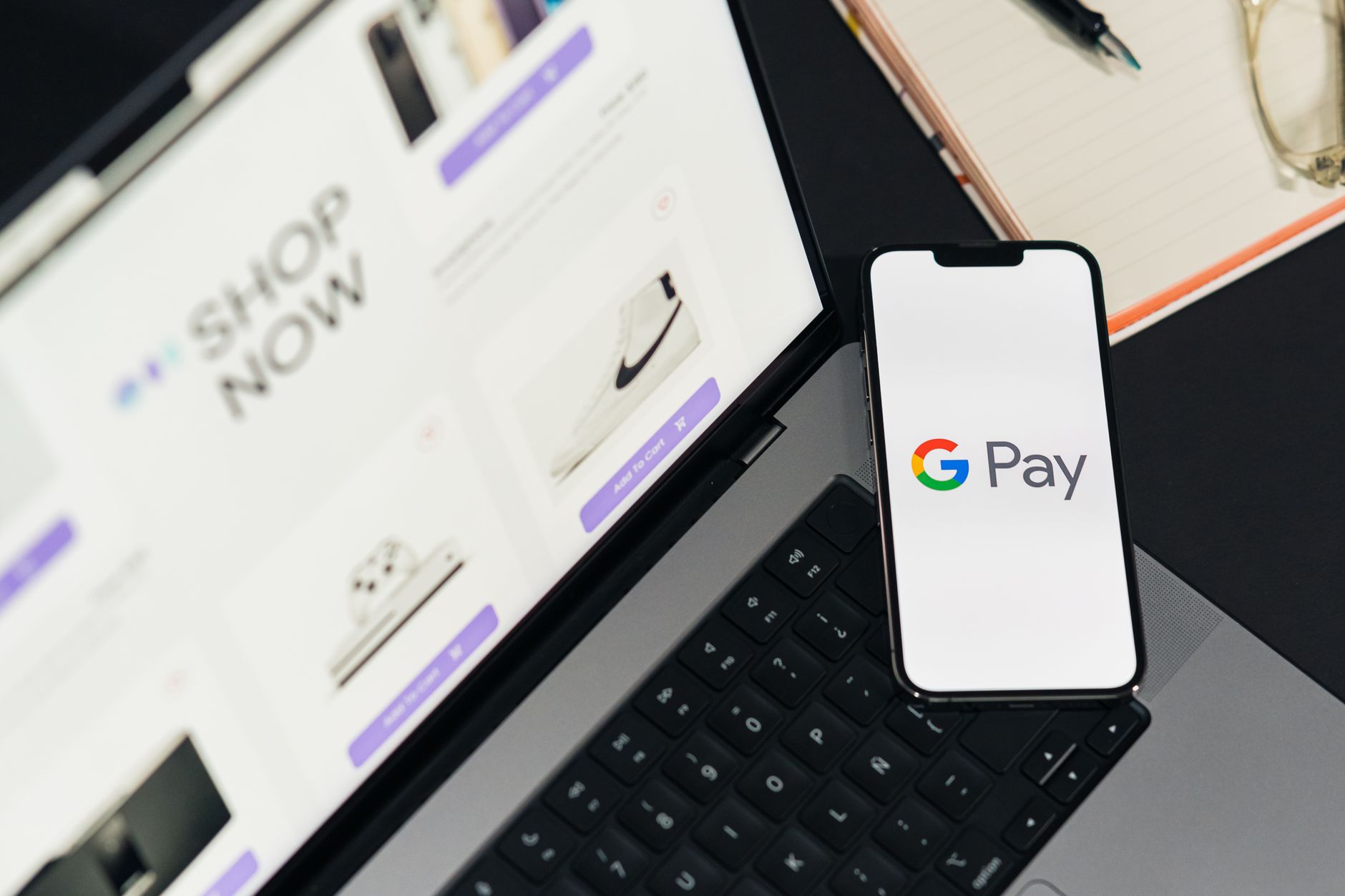
The financial landscape is undergoing a seismic shift as the Buy-Now-Pay-Later (BNPL) model gains traction, fueled by an influx of private credit. This rapidly growing sector presents both opportunities and challenges for borrowers and lenders alike. In this article, we delve deep into the intricacies of how private credit is shaping the BNPL arena, the implications for consumers, and the potential risks that accompany this burgeoning trend.
Key Takeaways
- The Buy-Now-Pay-Later sector is experiencing explosive growth, with private credit playing a crucial role in its funding.
- Private credit firms are stepping in to provide capital where traditional banks may hesitate, often leading to more accessible financing options for consumers.
- This trend raises concerns about borrower overindebtedness and the long-term sustainability of BNPL models.
- Regulatory scrutiny is increasing as the financial ecosystem adapts to the rapid rise of BNPL and private credit interactions.
- Understanding the dynamics of this relationship is essential for consumers, investors, and policymakers alike.
Understanding the BNPL Boom
The Buy-Now-Pay-Later model has transformed the way consumers approach purchases, allowing them to buy goods immediately while deferring payment over time, usually without interest. This financing option has gained immense popularity, particularly among younger consumers who may not have access to traditional credit lines. According to a report by Statista, the BNPL market was valued at approximately $120 billion in 2021 and is projected to reach $400 billion by 2025.
At the heart of this growth is private credit, a sector that has expanded rapidly in the past decade. Private credit firms, which provide loans to companies without going through traditional banks, have increasingly turned their attention to the consumer finance space, particularly BNPL. This influx of capital allows BNPL providers to offer more flexible payment options, attract a broader customer base, and ultimately drive sales.
Why This Matters
The relationship between private credit and BNPL is significant for multiple reasons. First, it democratizes access to credit. Traditional banks often impose stringent requirements on borrowers, making it difficult for those with lower credit scores or limited credit history to obtain financing. Private credit providers typically have more lenient criteria, which can help consumers get the financing they need to make purchases.
However, the accessibility of BNPL options also raises concerns about borrower overindebtedness. With easy access to credit, consumers may be tempted to spend beyond their means, leading to financial distress. A survey by the Consumer Financial Protection Bureau indicated that 45% of BNPL users reported feeling overwhelmed by their debt, highlighting the potential dangers of this financing model.
Background and Context
The concept of Buy-Now-Pay-Later is not new, but its modern resurgence can be traced back to the digital transformation of retail and finance. As e-commerce flourished, particularly during the pandemic, consumers sought more flexible payment options. Companies like Afterpay and Klarna emerged, offering seamless integrations with online retailers and straightforward payment plans.
Simultaneously, private credit markets were maturing, with a growing number of firms willing to provide capital outside traditional banking channels. This convergence of trends created a fertile environment for BNPL to expand rapidly. According to PwC, the global private credit market reached approximately $1 trillion in assets under management by 2021, showcasing the robust demand for alternative financing solutions.
Expert Analysis
Understanding the dynamics of private credit and BNPL requires a nuanced perspective. Private credit firms often see BNPL as a high-growth opportunity with substantial returns. They are attracted by the potential for high-interest rates and the ability to build long-term relationships with consumers. This approach is particularly appealing in a low-interest-rate environment, where traditional lending yields may not meet investors’ expectations.
From a BNPL provider's standpoint, partnering with private credit firms can significantly enhance operational capabilities. Greater access to capital allows these companies to scale quickly, offer competitive pricing, and improve customer experience. However, this reliance on private credit also introduces a level of risk. If market conditions change, or if consumer defaults rise, BNPL providers may find themselves in a precarious position.
Moreover, the regulatory landscape is evolving. Increased scrutiny from regulators is likely as the popularity of BNPL grows. As the private credit sector expands its role in consumer finance, it will be critical for both BNPL providers and private credit firms to adapt to new compliance requirements. They will need to navigate the complex interplay between providing accessible credit and ensuring responsible lending practices.
What This Means for Consumers
For consumers, the rise of private credit in the BNPL space presents both opportunities and challenges. On one hand, the ease of obtaining financing can empower consumers to make purchases and manage cash flow more effectively. This is particularly beneficial for younger consumers who may lack extensive credit histories, as BNPL provides a way to establish creditworthiness over time.
On the other hand, consumers must be vigilant about their spending habits. The thrill of immediate gratification can lead to overextending oneself financially. Understanding the terms and conditions associated with BNPL agreements is crucial. Consumers should be aware of potential fees, interest rates, and the implications of missed payments, which can quickly escalate into a cycle of debt.
Frequently Asked Questions
What is Buy-Now-Pay-Later (BNPL)?
BNPL is a financing option that allows consumers to purchase items and pay for them over time, usually in installments, without incurring interest if paid on time. It has become popular in e-commerce, providing consumers with flexibility in payment.
How does private credit impact BNPL services?
Private credit provides the necessary capital for BNPL companies to fund their operations, allowing them to offer consumers flexible payment options. This funding is crucial, especially when traditional banking options are limited.
Are there risks associated with using BNPL services?
Yes, while BNPL can provide flexibility, there are risks of overindebtedness. Consumers may take on more debt than they can manage, leading to financial distress. It is essential to understand the terms of the agreement and monitor spending closely.
What should consumers look for in BNPL agreements?
Consumers should carefully review interest rates, fees, payment schedules, and any penalties for missed payments. Understanding the total cost of borrowing and the impact on credit scores is critical for responsible usage.
The Road Ahead
Looking ahead, the relationship between private credit and BNPL is poised to evolve further. As the demand for flexible payment options continues to grow, more players will likely enter the market, increasing competition and potentially leading to better terms for consumers. However, this growth will also attract increased regulatory scrutiny as governments seek to protect consumers from predatory lending practices and ensure fair access to credit.
Ultimately, the sustainability of the BNPL model will depend on the ability of both providers and borrowers to navigate the complexities of this financial landscape. While private credit offers significant opportunities for growth and accessibility, careful consideration of the associated risks is essential for ensuring the long-term viability of the Buy-Now-Pay-Later model.