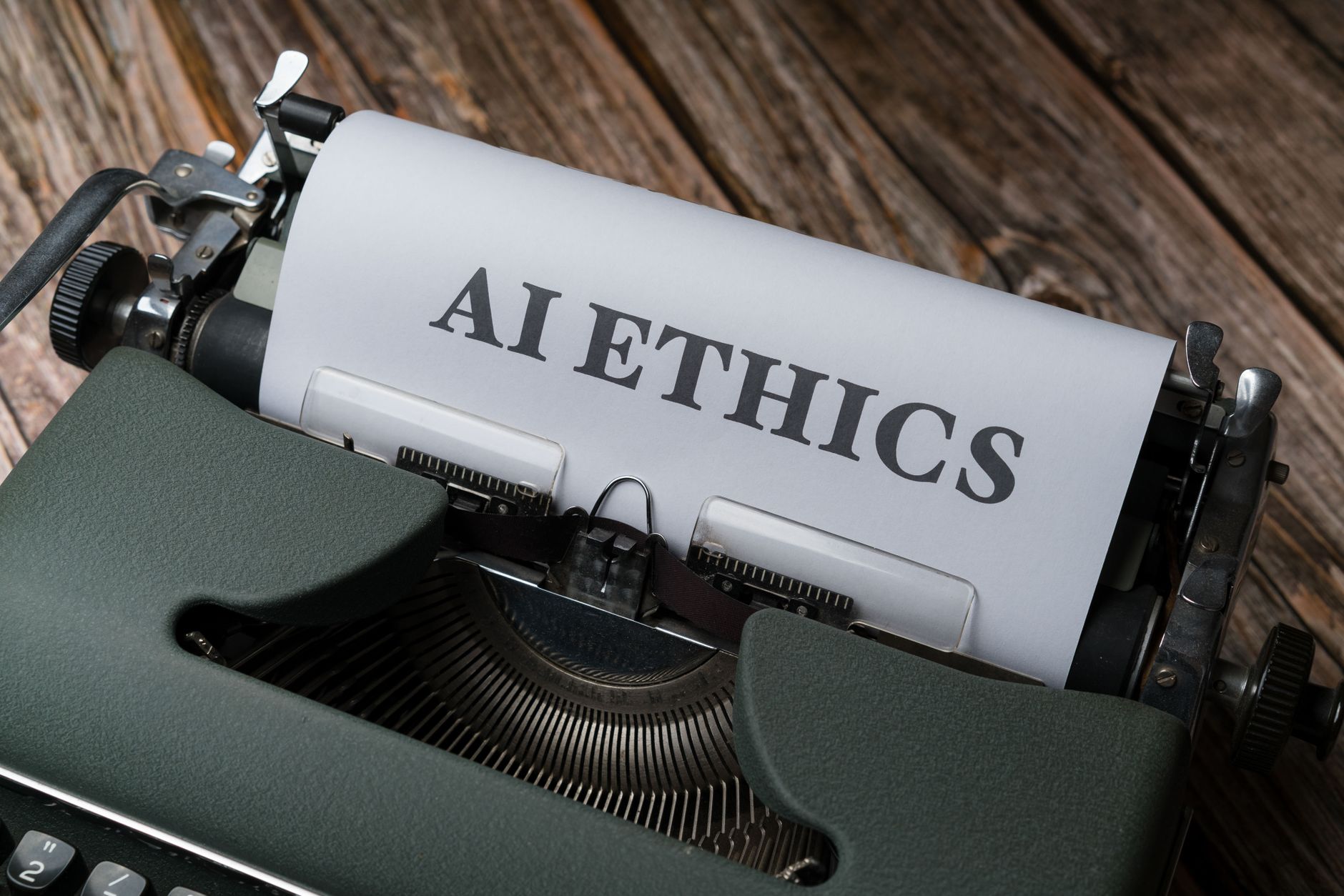
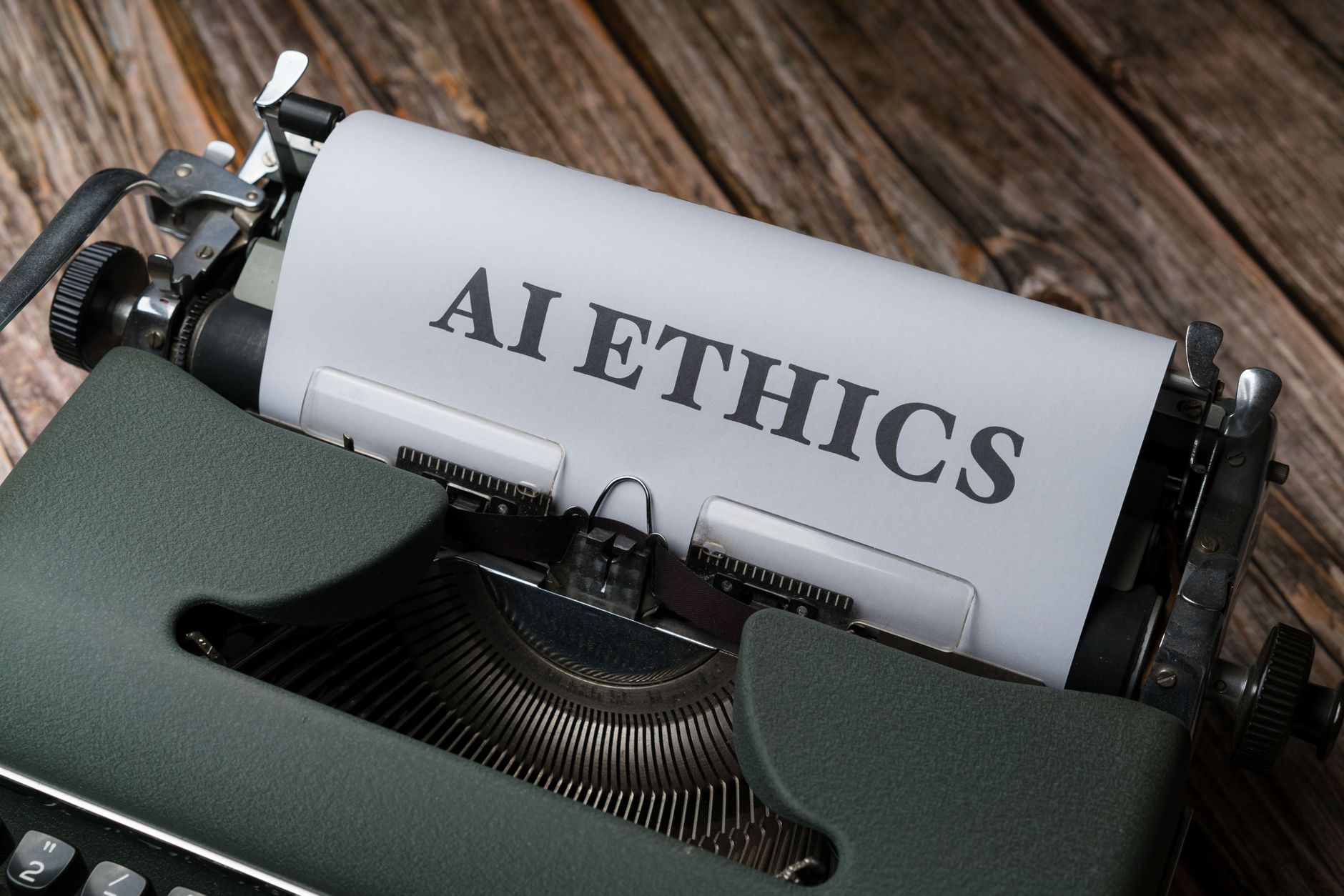
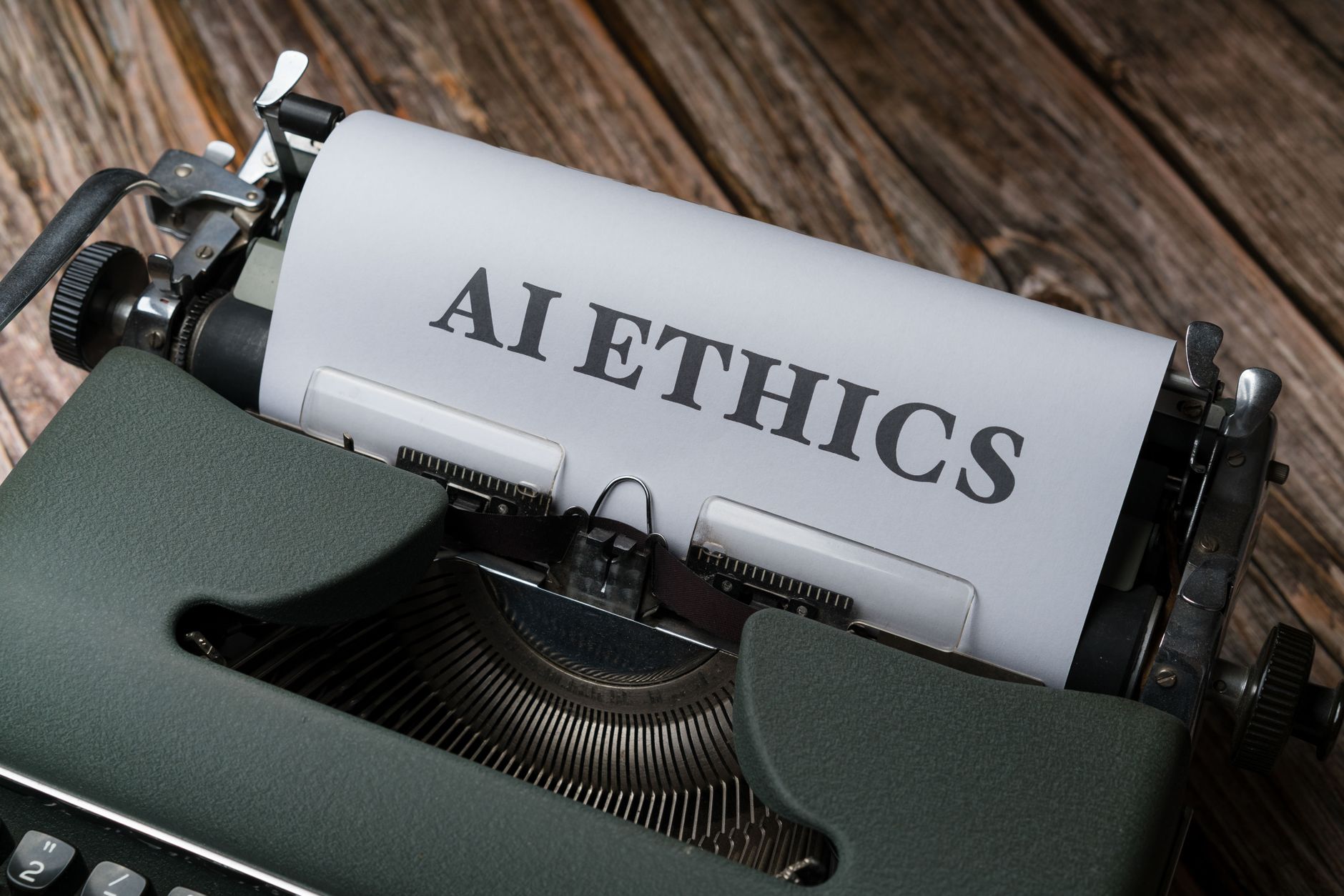
Pope Leo's AI Remarks: A Divided America Reflects on Technology's Future
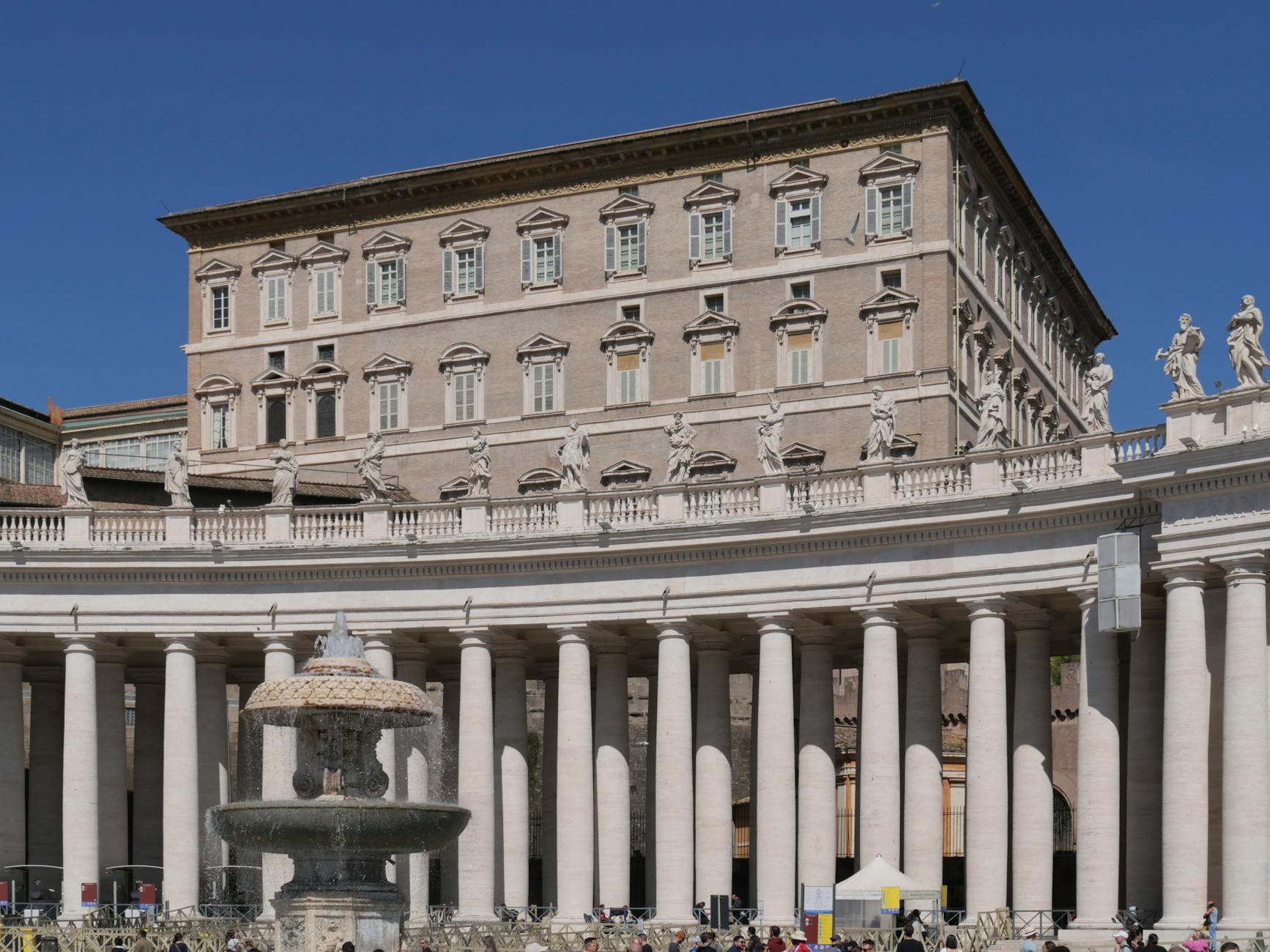
In a world increasingly dominated by artificial intelligence, the recent remarks from Pope Leo have ignited a spirited debate across the United States. As the first American pope, his commentary on the ethical implications of AI serves as a critical juncture for discussions about technology and humanity's future. With calls to slow down AI development, many are pondering what this means for society.
Key Takeaways
- Pope Leo's comments express concerns that AI might diminish human qualities.
- His plea for governments to regulate AI development has received mixed reactions in the US.
- Some individuals view his remarks as a necessary warning, while others see them as overly cautious.
- The debate highlights a larger conversation about the moral and ethical responsibilities of technology.
- The divide reflects broader societal anxieties regarding rapid technological advancement.
The Pope's Remarks on AI
Pope Leo's recent statements concerning artificial intelligence have sent ripples through religious and technological communities alike. In a speech delivered during a technology summit, he articulated his concerns that the rapid development of AI could lead to a future where human qualities—such as empathy, compassion, and ethical judgment—are undermined. This cautionary tone signifies a stark warning about the potential for technology to outpace humanity's ability to govern it responsibly.
The pope's remarks included a compelling plea for governments worldwide to implement measures that would slow the pace of AI development. He emphasized the need for ethical frameworks to guide technological innovation, arguing that without thoughtful intervention, society risks becoming less human in its interactions and decision-making processes. This call for regulatory action has resonated with many who share his concerns, including various civic leaders and ethicists.
Why This Matters
The implications of Pope Leo's statements extend far beyond the walls of the Vatican or the realm of faith. They tap into the growing unease surrounding the rapid advances in AI technology, which have dramatically transformed industries, economies, and everyday life. As AI systems become more integrated into societal functions—from healthcare to finance and beyond—questions about accountability and ethical standards are more pressing than ever.
The mixed responses from the public highlight a critical divide in perspectives on technology and its role in our lives. Supporters of the pope's stance view his remarks as a timely intervention, advocating for a more cautious approach to technological progression. In contrast, critics argue that such caution could stifle innovation and prevent society from harnessing the full potential of AI. This dynamic sets the stage for an ongoing dialogue about how best to navigate the future of technology.
Background and Context
The conversation about AI ethics isn’t new. For decades, experts have been warning about the potential consequences of unchecked technological growth. The rise of AI has introduced complexities that challenge traditional ethical paradigms, as machines begin to make decisions that were once the sole province of humans. This has raised critical questions about accountability, transparency, and bias in AI systems.
Pope Leo's comments come at a time when several nations are grappling with how to regulate emerging technologies. Various governments have initiated discussions about implementing ethical guidelines for AI, but the patchwork of regulations is often inconsistent and reactive, rather than proactive. The urgency of the pope's call reflects a growing awareness that these discussions must not only involve technologists and policymakers but also ethical leaders across various sectors.
Expert Analysis
The concerns raised by Pope Leo are symptomatic of a broader societal anxiety regarding technology’s trajectory. As machines become more autonomous, the fundamental question arises: who is responsible when things go wrong? The pope's emphasis on the potential loss of humanity in the face of rapid technological advancement resonates with many who fear that AI could exacerbate existing inequalities and bias.
Furthermore, the call for regulation is reminiscent of historical responses to technological disruption. Just as the advent of the internet prompted discussions about privacy and data security, AI's rapid integration into everyday life necessitates similar scrutiny. Experts suggest that without a robust ethical framework, the risk of AI technologies reinforcing systemic biases becomes more pronounced. The implications of this are profound, as marginalized communities could be further disadvantaged by poorly designed AI systems.
What This Means for Society
The pope's comments prompt several practical considerations for society at large. For the tech industry, it signals the necessity for greater engagement with ethical considerations in AI development. Companies must adopt transparent practices that prioritize the well-being of individuals over profit margins. This includes conducting impact assessments and ensuring that diverse perspectives are considered in the design and implementation of AI systems.
For consumers, the pope's remarks are a reminder to remain vigilant about the technologies they embrace. As AI continues to shape various aspects of life—from social media algorithms to healthcare diagnostics—individuals must advocate for ethical practices and demand accountability from developers. This active engagement can serve as a counterbalance to the rapid pace of technological change, ensuring that humanity's values remain at the forefront.
Frequently Asked Questions
What are the main concerns regarding AI raised by Pope Leo?
Pope Leo expressed concerns that AI could diminish essential human traits and urged for regulatory measures to slow its development, emphasizing the need for ethical guidelines to govern technology.
Why are people divided over the pope's comments on AI?
People are divided because some view his call for caution as necessary to protect humanity, while others see it as a potential hindrance to innovation and progress in technology.
How can society address the ethical implications of AI?
Society can address these implications by advocating for regulatory frameworks, promoting transparency in AI development, and ensuring diverse perspectives are included in the decision-making process.
What role do governments play in regulating AI?
Governments can establish legal frameworks and ethical guidelines to ensure that AI technologies are developed and used responsibly, balancing innovation with the protection of human rights and societal values.
The Road Ahead
As discussions surrounding AI ethics grow, it is essential for society to consider the implications of technological advancement holistically. Pope Leo’s remarks serve as a catalyst for deeper conversations about the balance between innovation and responsibility. The future of AI will depend not only on technological capabilities but also on our collective commitment to ensuring that these advancements align with our values as a society.
In the coming years, we can expect to see increased advocacy for ethical AI practices, as consumers and leaders alike demand accountability from tech companies. This shift may result in more robust regulations that prioritize human dignity and ethical considerations in AI development. Ultimately, the path we choose will shape the nature of our interactions with technology, determining whether AI enhances or diminishes our shared humanity.