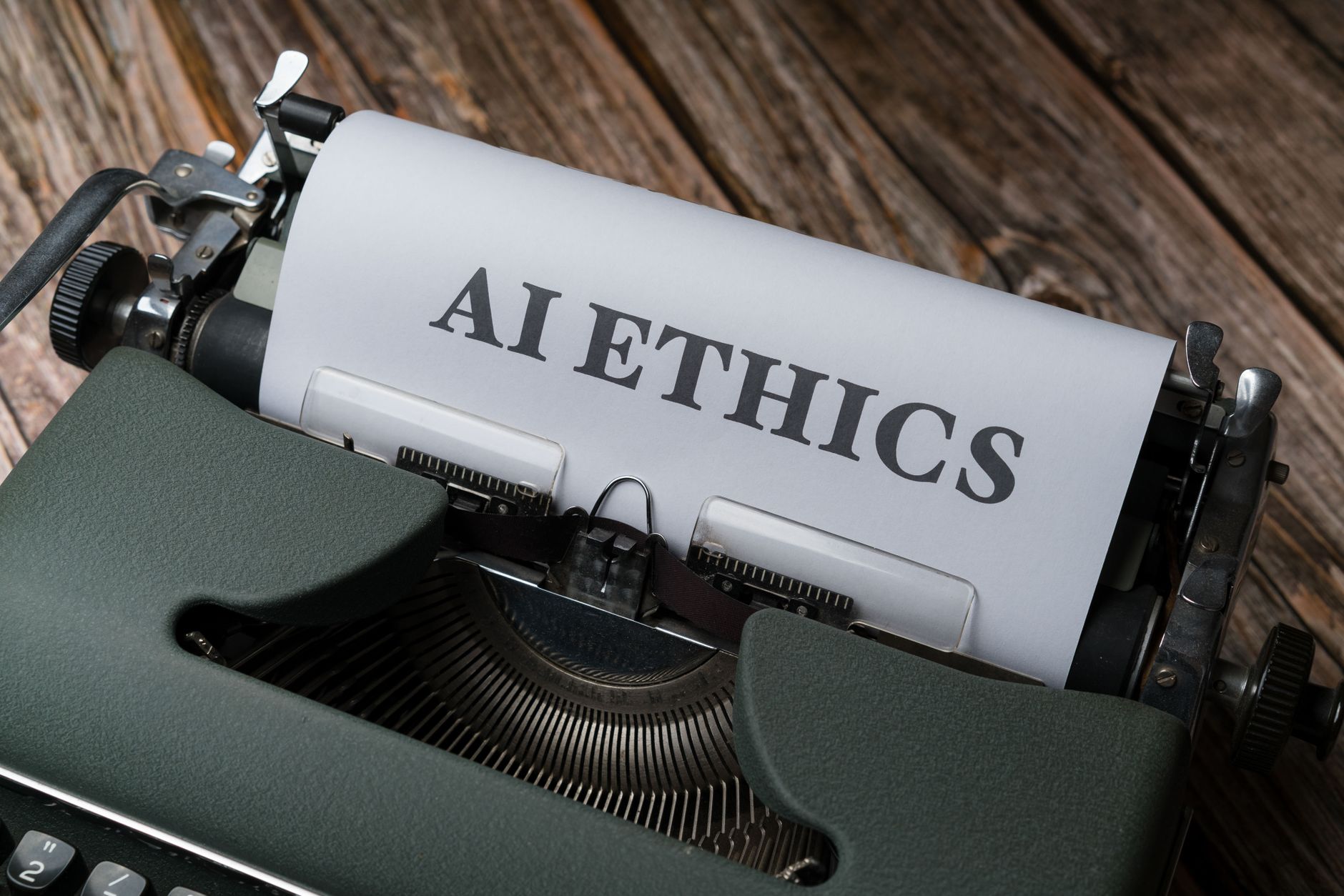
The Pope's AI Encyclical: A Call for Ethical Reflection
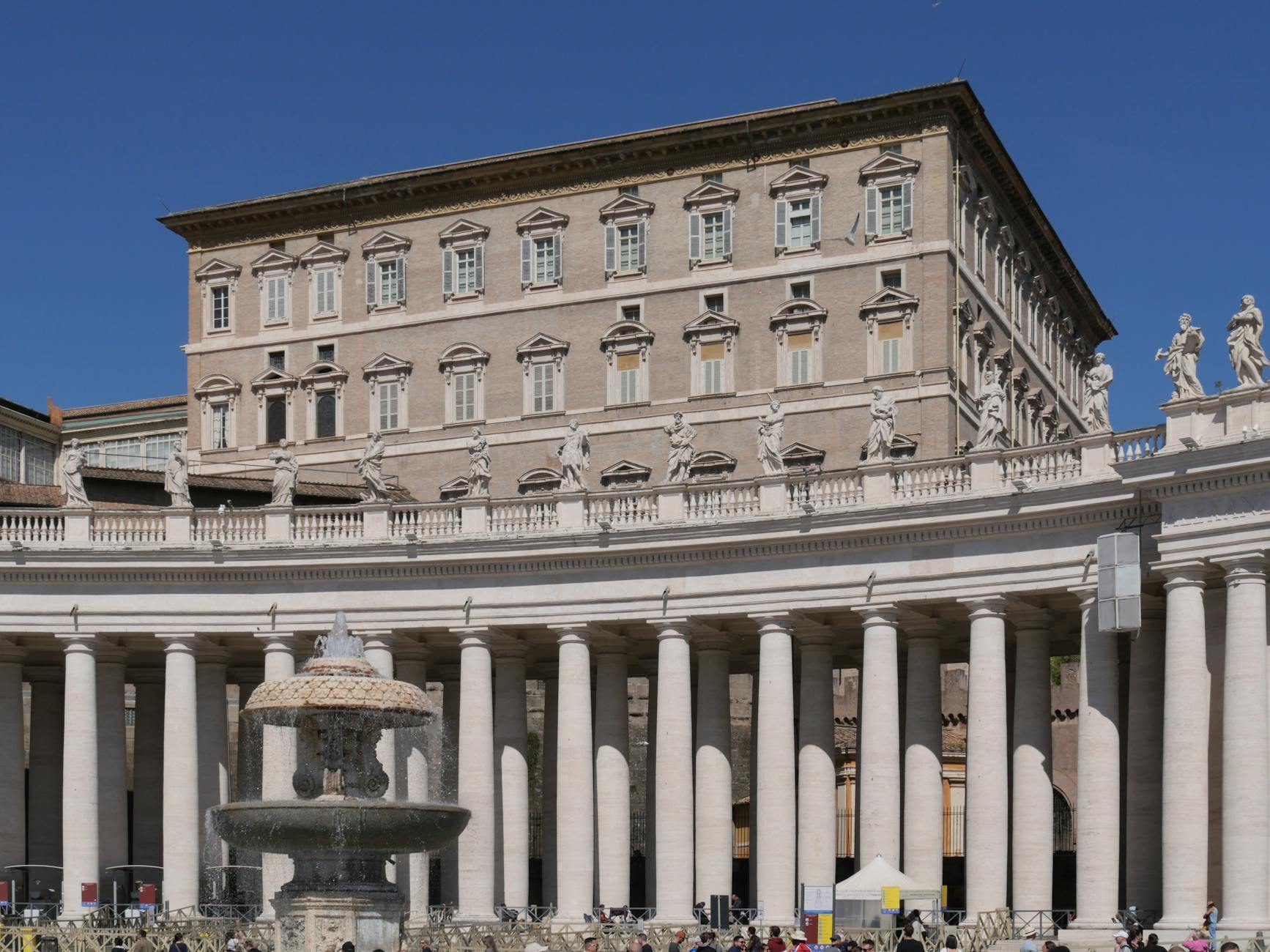
As artificial intelligence (AI) continues to permeate every aspect of our lives, it raises profound ethical questions that society must confront. Recently, Pope Francis released an encyclical addressing the implications of AI, emphasizing the importance of human values in the development of technology. Such a significant message from a global leader serves as a much-needed reminder that technological advancement should not come at the cost of humanity.
Key Takeaways
- The Pope's encyclical serves as a moral compass for the development of AI technologies.
- Silicon Valley's often dismissive attitude towards ethical considerations is increasingly problematic.
- AI's potential to replicate human creativity raises questions about the future of artistic expression.
- There is a growing need for interdisciplinary dialogue among technologists, ethicists, and cultural leaders.
- The encyclical reinforces the notion that technology should serve humanity, not the other way around.
The Encyclical Unpacked
Pope Francis’ encyclical on artificial intelligence marks a pivotal moment in the intersection of technology and ethics. In a world where AI technologies are rapidly evolving, the Pope's message resonates with urgency. He calls for reflection on the implications of AI, urging developers and users alike to consider how these tools affect human dignity and societal values.
The encyclical does not merely highlight the potential misuses of AI, such as biased algorithms and job displacement; it also points to the technology's capacity to enhance human creativity and problem-solving. For instance, the Pope acknowledges concerns about the prospect of machines that could potentially outperform humans in creative fields like writing and art. This brings forth an existential question: Can algorithms genuinely replicate the nuanced creativity that characterizes human expression?
In the encyclical, Francis emphasizes that the ethical considerations surrounding AI extend beyond technical capabilities. He posits that, at its core, technology should prioritize human flourishing. The encyclical serves as both a call to action and a warning, advocating for a balanced approach to AI development that includes moral frameworks.
Why This Matters
The emergence of AI technologies has been met with both enthusiasm and skepticism. Silicon Valley has often been quick to champion AI as a revolutionary force, yet the ethical implications have frequently been overshadowed by the promise of innovation. The Pope's encyclical disrupts this narrative, urging the tech community to pause and reflect on the societal impact of their creations.
This message is particularly crucial as AI systems increasingly play roles in decision-making processes that affect millions. For example, AI algorithms are used in hiring practices, criminal justice, and healthcare, where biases embedded within these systems can lead to discriminatory outcomes. By advocating for ethical oversight, the Pope's encyclical pushes for accountability and responsibility among developers to ensure that AI serves all of humanity equitably.
Background and Context
The conversation surrounding AI ethics is not new, but it has gained momentum as the technology becomes more pervasive. In recent years, various organizations and scholars have called for ethical guidelines to govern AI development. Initiatives like the European Union's AI Act and the IEEE Global Initiative on Ethics of Autonomous and Intelligent Systems exemplify efforts to create a framework for responsible AI usage.
However, the Pope's encyclical elevates this discussion to a global stage, inviting a broader audience to engage with these critical issues. Unlike traditional tech discourse, which often emphasizes profitability and efficiency, the Pope’s perspective prioritizes human welfare and ethical considerations, urging a paradigm shift in how we approach technology.
Expert Analysis
The Pope’s encyclical serves as an important reminder that technology should not only be evaluated through a lens of innovation and profit but must also be assessed for its ethical implications. Many in Silicon Valley often approach AI development with a utilitarian mindset, focusing on the efficiency and productivity gains that come from automation. However, this narrow view can lead to overlooking the broader societal consequences of such technologies.
For instance, while AI can optimize supply chain processes or enhance customer experiences, it may also lead to job displacement, especially among low-skill workers. The encyclical highlights this duality, urging developers to find a balance between technological advancement and the preservation of human dignity. By framing this discussion in a moral context, the Pope encourages technologists to consider the long-term effects of their innovations on society.
Furthermore, the encyclical raises questions about creativity and the arts, particularly in the context of machine-generated content. The argument that algorithms could produce literature or art that rivals human creators is contentious. Critics argue that while AI can mimic styles and generate text, it lacks the emotional depth and subjective experience that underpin true artistic expression. This concern is echoed in Prose’s reflection on the fear that machines could surpass human authors in their craft. The Pope's perspective emphasizes that the essence of creativity is inherently human, grounded in personal experience, emotion, and cultural context.
What This Means for Developers and Users
The implications of the Pope's encyclical extend beyond ethical considerations; they challenge developers and users to rethink their roles in the AI landscape. For developers, the call to integrate ethical frameworks into their design processes is paramount. This might involve collaborating with ethicists, sociologists, and policymakers to ensure that AI systems are not only efficient but also socially responsible.
For users, this encyclical serves as a reminder to be critical consumers of technology. As AI technologies become more integrated into daily life, users must advocate for transparency and accountability. This means questioning how algorithms make decisions, understanding the data that fuels these systems, and pushing for regulations that protect individual rights. The encyclical encourages a culture of digital literacy, empowering users to engage with technology consciously and thoughtfully.
Frequently Asked Questions
What is the main message of the Pope's encyclical on AI?
The main message emphasizes the need for ethical considerations in the development and use of AI technologies, advocating for a human-centered approach that prioritizes dignity and societal well-being.
How does the encyclical address concerns about job displacement due to AI?
The encyclical acknowledges the potential for job displacement but calls for a balanced approach to technology that considers the human impact and promotes equitable solutions.
What role should developers play in ensuring ethical AI?
Developers are urged to collaborate with ethicists and cultural leaders to integrate ethical frameworks into their design processes and to ensure accountability in AI systems.
How can users engage with AI technologies more responsibly?
Users can engage with AI responsibly by advocating for transparency, understanding the data used in algorithms, and pushing for regulations that protect their rights.
The Road Ahead
As we look toward the future, the conversation initiated by Pope Francis’ encyclical must continue to evolve. The rapid development of AI technologies necessitates ongoing dialogue among technologists, ethicists, and cultural leaders. A collaborative approach can foster an environment where technological advancements align with human values, ensuring that innovation serves the common good.