Your Period Tracker Is (Probably) Spying on You: A Deep Dive
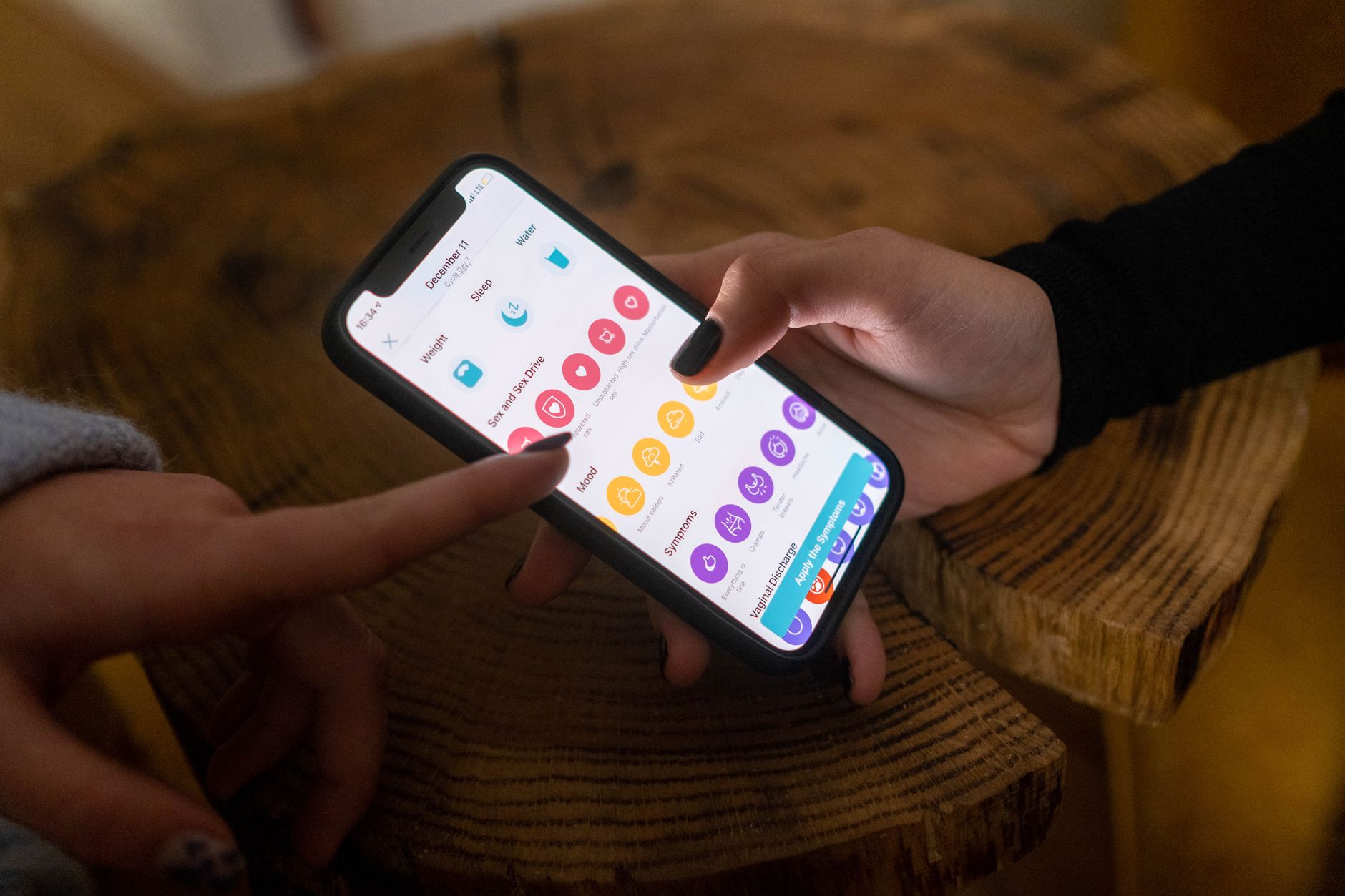
In an era where data privacy remains a hot-button issue, the revelations regarding period tracking apps have sent shockwaves through the community. What initially seemed like a helpful tool for managing women's health has come under scrutiny for its potential to compromise personal data. As these applications grow in popularity, the implications of their data practices have become more significant, raising serious questions about user privacy and security.
Key Takeaways
- Many period tracking apps collect extensive personal data, often without users’ informed consent.
- Data breaches in this sector can expose sensitive health information, which can lead to risks such as doxxing.
- The lack of stringent regulations makes it easier for companies to misuse personal data.
- Users are often unaware of the extent of data collection and sharing happening in the background.
- There's a growing conversation on the need for stronger data privacy regulations in health tech.
Unpacking the Issue: What Happened?
The discussion surrounding the privacy of period tracking apps has gained traction, particularly after a series of reports highlighted their data collection practices. Period trackers are designed to help users monitor menstrual cycles, fertility, and overall reproductive health. However, many of these applications share sensitive information with third parties, often without explicit consent from the users.
A report by Wired pointed out that users of such apps might unknowingly be subjecting themselves to excessive surveillance. The collection of data ranges from basic information about menstrual cycles to more sensitive details, such as sexual activity, mood fluctuations, and health issues. This data can be incredibly revealing, and the potential for misuse is alarming.
For instance, the implications of a data breach could extend beyond the app itself, threatening users in various aspects of their lives, including employment, relationships, and even personal safety. As awareness of these issues grows, it becomes clear that the conversation surrounding period tracking apps must evolve from merely understanding their functionalities to addressing their ethical implications.
Why This Matters
The implications of the data practices associated with period tracking apps are profound. Women's health is an area that requires a high level of privacy and security, and the potential for misuse of personal data can have severe consequences. For instance, data breaches could lead to doxxing, where personal information is publicly released, putting individuals at risk.
Moreover, the broader tech industry is experiencing a significant shift in attitudes toward data privacy. High-profile breaches across various sectors have made consumers more aware of how their data is used and the risks associated with it. This growing awareness is leading to increased demands for transparency and accountability from tech companies, particularly in the health sector.
The regulatory landscape is also evolving. In light of these concerns, there is a pressing need for stronger data privacy regulations. Current laws often lag behind technological advancements, leaving consumers vulnerable. Without comprehensive regulations, companies may continue to exploit user data for profit, often at the expense of individual privacy.
Background and Context
The rise of period tracking apps can be traced back to a broader trend in health technology, where applications have become a staple in personal health management. These apps have been marketed as tools for empowerment, helping users take control of their health. However, the lack of stringent privacy regulations in the tech industry means that many users are unaware of the potential risks associated with using these applications.
Historically, health data has always been sensitive in nature. The Health Insurance Portability and Accountability Act (HIPAA) in the United States provides some level of protection for health information, but it does not encompass the data collected by mobile applications, especially those that are not considered traditional healthcare providers. This regulatory gap has allowed companies to operate with relative impunity, raising concerns about the ethical implications of their data practices.
Expert Analysis
From a technical perspective, the architecture of many period tracking apps is built around data collection. These apps often request permissions that may seem benign but can lead to extensive data gathering. For example, users might be asked for access to their location, contacts, and other personal information, which can then be sold to third parties or used for targeted advertising.
This raises ethical questions about informed consent. Many users do not fully understand what they are agreeing to when they accept the terms and conditions of these applications, leading to a situation where they unknowingly compromise their privacy. It becomes crucial for developers to prioritize transparency in their data practices.
Furthermore, the security measures employed by these apps often fall short. Data encryption is not universally implemented, meaning that even if data is collected responsibly, it could still be vulnerable to breaches. This is particularly concerning in an age where cyberattacks are increasingly sophisticated and commonplace.
What This Means for Users and Developers
For users, the implications of these findings are significant. Individuals need to be more discerning about the applications they choose to use for health tracking. It is essential to read privacy policies carefully and understand how data will be used and shared. Additionally, users should consider using apps that prioritize data security and have transparent data practices.
For developers, the onus is on them to create applications that respect user privacy. This includes implementing strong data protection measures, being transparent about data usage, and ensuring that users have control over their information. Companies that prioritize ethics in data practices are likely to build a loyal user base, as consumers become more aware of their rights regarding data privacy.
Frequently Asked Questions
What types of data do period tracking apps typically collect?
Period tracking apps often collect data related to menstrual cycles, sexual activity, mood changes, and health issues. Some may also request access to location data, contacts, and other personal information.
How can I protect my data when using a period tracker?
To protect your data, choose apps with strong privacy policies, limit the permissions you grant, and be cautious about sharing sensitive information. Look for applications that offer data encryption and transparent practices.
What are the potential risks of using period tracking apps?
The risks include data breaches, doxxing, and the potential for personal information to be used for targeted advertising without user consent.
Are there any regulations protecting users of health apps?
Currently, regulations like HIPAA provide limited protection for health information, but they do not cover data collected by mobile applications, creating a significant regulatory gap in user protection.
The Road Ahead
As the conversation around data privacy and period tracking apps continues to evolve, it is clear that both users and developers must take proactive steps to address these concerns. Users should become more informed about their rights and the data they share, while developers must prioritize ethical data practices to foster trust.
The future of health technology holds promise, but it is contingent upon the establishment of robust privacy regulations that protect consumers. As awareness grows, there is potential for significant changes in how data is collected, stored, and shared in the health tech industry. The call for improved regulations could lead to a more secure environment for users, ensuring that technology serves to empower rather than exploit.