Oura's Smallest Smart Ring: A Game-Changer in Wearable Tech
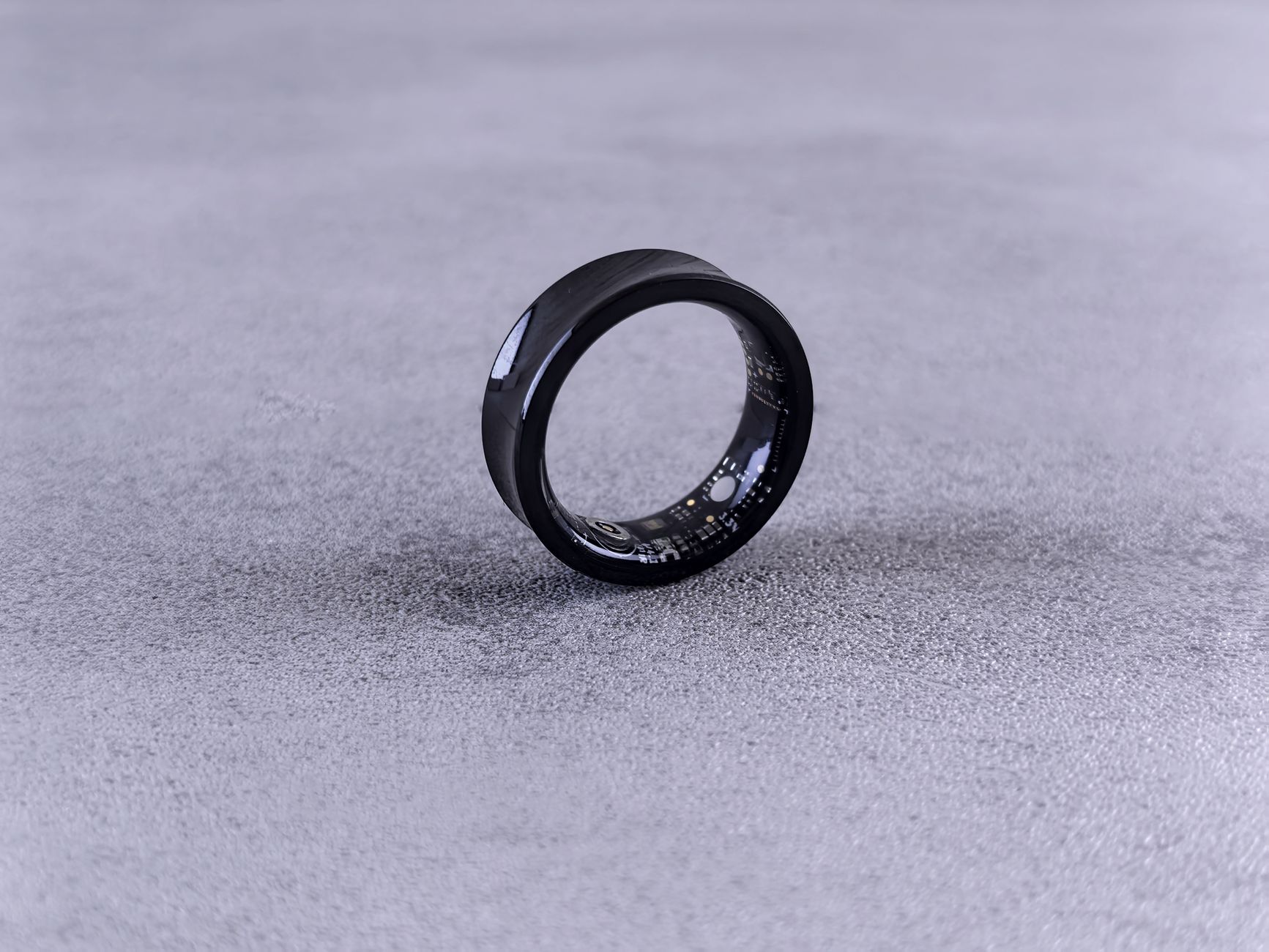
In a significant move for the burgeoning wearables market, Oura is launching its smallest smart ring yet, boasting a design that is 40% smaller than its predecessors. This compact innovation not only promises to enhance user comfort but also aims to redefine what can be achieved with wearable technology. As the demand for health-focused wearables continues to rise, Oura's latest offering could signal a pivotal shift in how individuals engage with health monitoring and personal wellness.
Key Takeaways
- Oura's new smart ring is 40% smaller, making it the tiniest in the market.
- The design emphasizes both comfort and usability, appealing to a broader audience.
- This launch reflects a growing trend towards miniaturization in wearable technology.
- Enhanced features could improve health tracking capabilities and user engagement.
- The move reinforces Oura's position as a leader in the wearables space, with potential implications for competitors.
Oura's Latest Smart Ring: What Happened?
The launch of Oura's smallest smart ring marks a significant milestone in the company’s journey to dominate the wearables market. Oura has effectively carved a niche for itself as a purveyor of health-centric devices, and this new iteration is set to further solidify its reputation. The ring's design is not just a matter of aesthetics; the shrinkage in size comes with technological advancements that promise to enhance its functionality.
By reducing the size of its smart ring by 40%, Oura aims to increase user comfort, making it more appealing to those who might find traditional wearables cumbersome. This approach is not just about creating smaller devices; it’s about rethinking the design philosophy of wearables. The emphasis on comfort aligns with emerging consumer preferences, as more individuals seek devices that seamlessly integrate into their daily lives.
Why This Matters
The significance of Oura's launch extends beyond its immediate technical specifications. The smart ring's size reduction reflects broader trends in the technology sector, particularly the miniaturization of devices. As wearables evolve, user expectations are shifting towards products that are not only functional but also discreet and comfortable. Oura's approach could influence competitors, prompting them to focus on design innovations that prioritize user experience.
Moreover, as health tracking becomes increasingly vital in our daily lives, Oura’s commitment to providing a convenient and effective solution could lead to greater user adoption of wearable technology. The enhanced capabilities of the smaller ring could lead to improved health insights, fostering a culture that prioritizes wellness and preventive healthcare. This could have profound implications for the healthcare industry, encouraging a shift towards more personalized and data-driven health management.
Background and Context
Oura's journey began in 2013 when it launched its first smart ring, designed to track sleep, activity, and overall health metrics. The initial reception was positive, but it was the company's commitment to continuous improvement and innovation that propelled it forward. The wearables market has seen explosive growth in recent years, driven by advancements in technology and a growing consumer focus on health and fitness.
Historically, wearables have evolved from basic fitness trackers to sophisticated devices capable of monitoring a wide array of health metrics. The introduction of smaller devices like the Oura ring is a response to the increasing consumer demand for less obtrusive technology. As consumers become more health-conscious, wearables that provide seamless integration into daily life are poised to dominate the market.
Expert Analysis
From an expert perspective, Oura’s latest smart ring represents a significant advancement not only in design but also in functionality. The 40% size reduction may seem like a minor detail, but it fundamentally alters the user experience. Smaller devices tend to be more comfortable, which can lead to increased usage and, consequently, more accurate health data collection. This is crucial in health tracking, where consistent and accurate data is key to achieving meaningful insights.
Furthermore, the technological advancements that accompany the size reduction are noteworthy. Oura’s ability to maintain or even enhance functionality while reducing size demonstrates impressive engineering and design capabilities. This can lead to a host of new features that cater to user needs, such as improved battery life, enhanced sensors for more accurate health tracking, and potentially new functionalities that were previously untenable in larger devices.
Oura's strategy also reflects a broader trend towards personalized health management. As wearables become more adept at monitoring various health metrics, users can gain insights tailored to their personal health journeys. This shift could empower individuals to take charge of their health more effectively, fostering a culture of proactive health management rather than reactive healthcare.
What This Means for Users and Developers
For users, Oura's smallest smart ring could be a game-changer. The emphasis on comfort means that more individuals may be inclined to wear the device continuously, which is essential for achieving the best health insights. Continuous wear allows for more accurate data collection, leading to better understanding and management of personal health metrics.
For developers, the launch signifies a challenge and an opportunity. As the wearables market grows, developers must innovate not only in terms of functionality but also in creating applications that can leverage the enhanced data that these smaller, more powerful devices can provide. This could lead to a surge in health-focused applications that help users analyze their data and make informed decisions about their wellness.
Frequently Asked Questions
What features are included in the new Oura smart ring?
The new Oura smart ring includes advanced health tracking features, including sleep monitoring, activity tracking, heart rate variability, and temperature sensing, all while maintaining its compact design.
How does the size reduction impact battery life?
While the size of the ring has been reduced, Oura has implemented advanced battery management systems to ensure that users can still enjoy long-lasting battery life, likely comparable to previous models.
Is the Oura ring waterproof?
Yes, the Oura ring is designed to be water-resistant, allowing users to wear it during various activities, including swimming and showering, without worrying about damage.
What are the implications of using wearable technology for health tracking?
Using wearable technology for health tracking can lead to better personal health management, as users gain insights into their daily habits, sleep patterns, and activity levels, enabling them to make informed lifestyle choices.
The Road Ahead
Looking forward, Oura's launch of its smallest smart ring could catalyze significant changes in the wearables market. As the company sets new standards for comfort and functionality, competitors may feel pressured to innovate, leading to a wave of new products designed to capture the attention of health-conscious consumers. The implications for the broader healthcare landscape could be transformative, particularly as wearables become integral to personal health management.
As Oura continues to refine its offerings, the focus should remain on how these devices can empower users to take control of their health. The intersection of technology and healthcare is a rapidly evolving space, and with companies like Oura at the forefront, we can expect to see a future where personalized health management becomes the norm rather than the exception. This shift has the potential to reshape not only individual health journeys but also the broader healthcare system as more people adopt proactive health management practices.