Notion just turned its workspace into a hub for AI agents
Key Takeaways
Notion has launched a new developer platform that integrates AI agents into its workspace, enhancing productivity and workflow efficiency.
The platform allows users to connect various AI agents, external data sources, and implement custom code, tailoring the workspace to specific organizational needs.
By consolidating tools and resources, Notion aims to reduce context switching, streamline project management, and improve decision-making through real-time insights.
This update positions Notion as a leader in productivity software, emphasizing the importance of centralized workspaces in an increasingly digital business environment.
What Happened
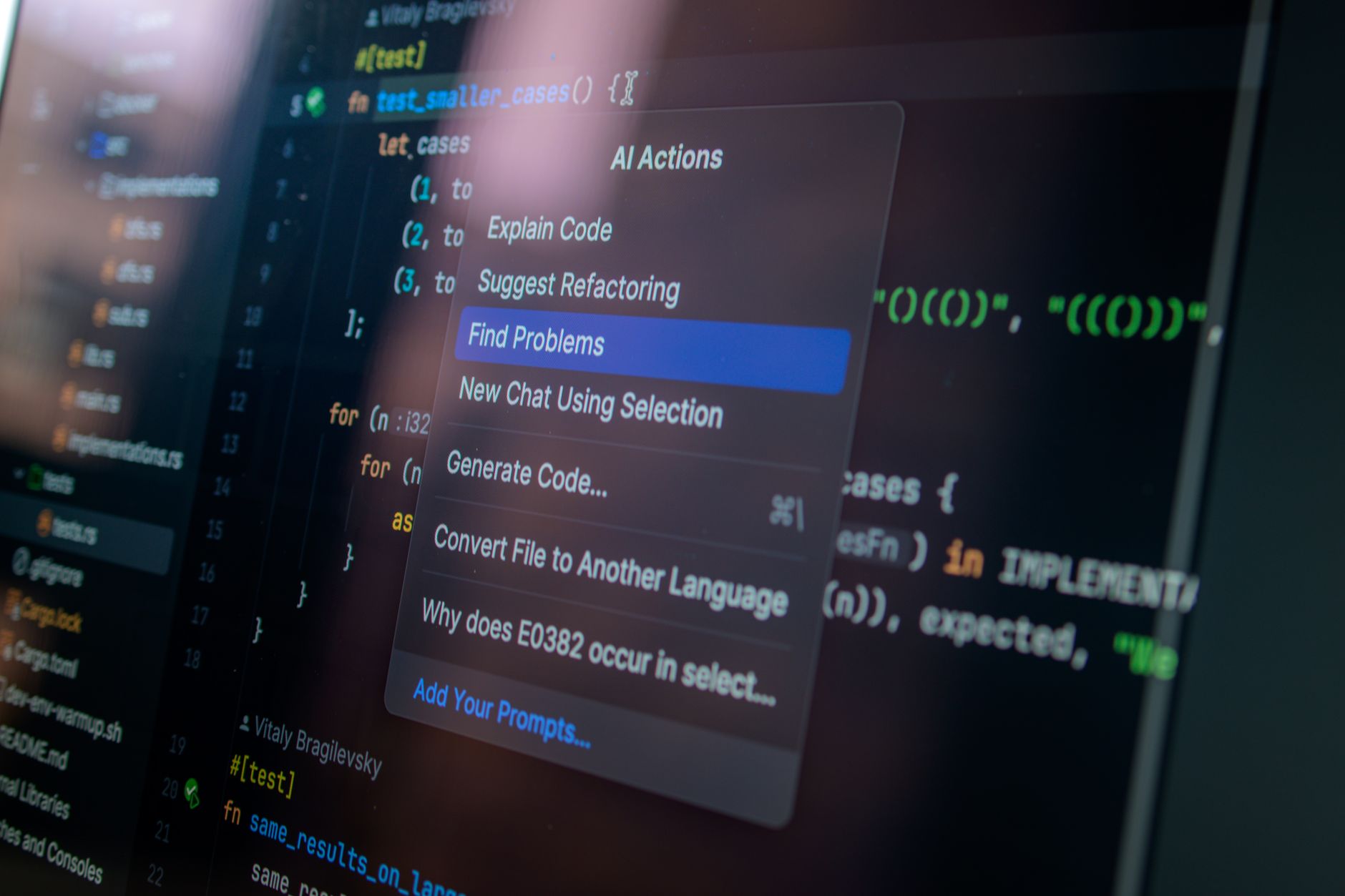
Notion has introduced a new developer platform that transforms its workspace into a hub for AI agents. This platform is designed to enhance agentic productivity by allowing teams to seamlessly connect AI agents and external data sources.
Key features of the platform include AI agent integration, which enables automated tasks, and the ability to incorporate external data for real-time updates. Additionally, developers can write custom code to tailor the workspace to their specific needs.
The launch of this platform marks a significant evolution in how teams can utilize AI within their workflows, aiming to create a more integrated and efficient working environment.
By enabling these capabilities, Notion seeks to streamline project management and improve overall productivity for teams across various sectors.
Why This Matters
The integration of AI into productivity tools is becoming increasingly important as businesses rely more on digital solutions. Notion's new platform addresses this need by providing a centralized workspace for teams.
Increased efficiency is a primary benefit, as teams can automate repetitive tasks using AI, allowing them to focus on more strategic activities. This can lead to faster project completion and improved outcomes.
Collaboration is also enhanced, as all necessary tools are available in one place, facilitating better communication and teamwork among members. This can result in more cohesive project execution.
As organizations grow, the ability to customize workflows becomes essential. Notion's platform supports scalability, enabling teams to adapt their processes as their needs evolve.
Background and Context
Notion has established itself as a key player in the productivity software market, known for its versatility and user-friendly interface. The introduction of AI capabilities aligns with broader industry trends towards automation and integration.
As companies increasingly adopt digital tools, the demand for solutions that streamline workflows and enhance productivity has grown. Notion's new platform responds to this demand by offering innovative features that leverage AI.
The shift towards AI-driven workspaces is indicative of a larger movement within the tech industry, where organizations are exploring ways to incorporate advanced technologies into their operations.
By launching this developer platform, Notion is not only enhancing its product offerings but also positioning itself as a leader in the evolving landscape of productivity software.
Expert Analysis
Experts suggest that Notion's integration of AI agents reflects a significant trend in workplace technology. As AI tools become more prevalent, organizations will need to adapt their workflows to leverage these advancements effectively.
The ability to connect external data sources directly within a workspace is seen as a game-changer. This feature allows teams to access real-time insights, which can enhance decision-making and project management.
Furthermore, the introduction of custom code capabilities empowers developers to create tailored solutions that meet specific organizational needs, fostering innovation and adaptability.
Overall, the expert consensus is that Notion's new platform could set a precedent for other productivity tools, encouraging more companies to explore AI integration in their workflows.
Practical Implications
For teams using Notion, the new platform means a more streamlined workflow, as they can automate tasks and access data without switching between multiple applications. This can lead to significant time savings.
Organizations can expect improved collaboration, as team members can work together more effectively with all necessary tools integrated into one platform. This can enhance project outcomes and team dynamics.
The ability to customize workflows with AI agents and external data sources allows teams to adapt their processes as their needs change, supporting scalability and growth.
As AI technology continues to evolve, teams will benefit from ongoing improvements in user experience, making productivity tools more intuitive and easier to use.
Frequently Asked Questions
What are AI agents in Notion?
AI agents in Notion are automated tools that can perform tasks and streamline workflows by integrating with the workspace.
How can teams benefit from the new developer platform?
Teams can benefit by automating repetitive tasks, accessing real-time data, and customizing their workspace to fit specific needs.
Is Notion's new platform suitable for all types of organizations?
Yes, Notion's platform is designed to be flexible and scalable, making it suitable for various organizations, regardless of size or industry.
Sources and Further Reading
Additional Context
Enterprise AI adoption is moving in uneven but measurable phases: pilot, controlled deployment, and scaled integration. Across these phases, teams confront recurring constraints around data quality, governance, and operational reliability. The strongest implementations treat AI systems as products with explicit owners, measurable service levels, and documented fallback behavior when model output is uncertain.
Cost discipline is equally important. Infrastructure spending can rise quickly as inference workloads expand, so leaders increasingly track performance per task, not just raw model capability. That means comparing output quality, latency, and compute costs against concrete business goals. In practical terms, organizations that pair model experimentation with strong evaluation pipelines are more likely to sustain gains over time.
Regulatory expectations are also becoming a core design input. Teams are adding audit trails, human review checkpoints, and clearer disclosure patterns for AI-assisted content and decisions. These controls are not simply legal overhead; they support trust with users and partners and reduce avoidable rollout risk. For ongoing coverage and implementation guidance, visit AI news and follow additional updates in our market and policy reporting.
Implementation Checklist and Reader Guidance
For teams and readers tracking this story, a useful way to separate signal from noise is to follow a repeatable checklist. First, verify what is officially confirmed by named organizations and what remains preliminary. Second, map each update to practical impact: product reliability, cost exposure, policy risk, and customer outcomes. Third, watch whether follow-up statements include measurable commitments such as deployment timelines, safety controls, or independent verification benchmarks.
In operational settings, AI progress is usually uneven. Pilot wins do not automatically translate into scaled value, and strong demos can still fail under production constraints like latency, data quality drift, and governance requirements. That is why disciplined teams use staged rollout plans with test gates, rollback procedures, and human review for high-impact outputs. Readers can use the same lens when evaluating announcements: prioritize documented evidence, clear accountability, and reproducible results over broad claims.
For continuing updates, browse AI news to compare this development with similar moves across infrastructure, applications, and regulation. You can also revisit our broader coverage in AI news to track how market behavior, enterprise adoption, and policy responses evolve over time. Keeping this comparative context helps distinguish short-term headlines from durable industry shifts.
Operational Follow-Through
One final quality check is follow-through. Readers should compare initial announcements against later evidence: implementation milestones, transparent reporting, and measurable user or enterprise outcomes. In mature deployments, organizations publish clearer timelines, document safeguards, and explain tradeoffs between speed, safety, and cost. Those details are often the difference between a headline and a durable strategic shift.
It is also useful to track second-order effects. Changes in AI products or infrastructure can influence hiring, procurement priorities, compliance requirements, and partner ecosystems. By reviewing subsequent disclosures and independent reporting, stakeholders can better evaluate whether early expectations are being met. This approach improves decision quality and reduces overreaction to short-term volatility in narratives.
For ongoing coverage and verification context, revisit AI news and compare related developments with sector-level reporting in AI news. Consistent cross-checking across multiple credible outlets remains the most reliable way to assess momentum, risk, and real-world impact.