New York's Historic Data Center Moratorium: Implications for the Future
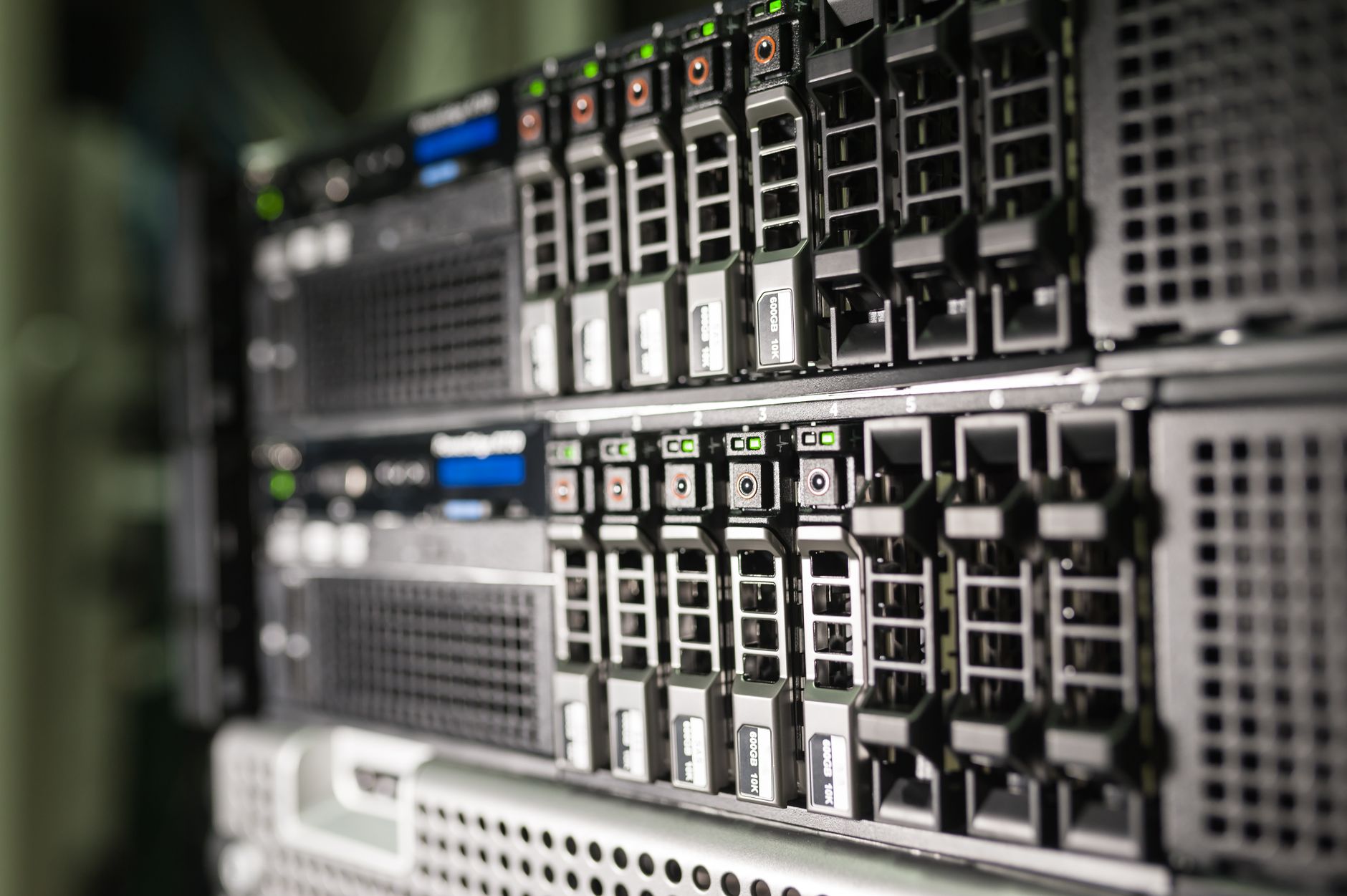
In a landmark decision that could reshape the future of technology and environmental policy, New York has become the first state in the nation to impose a moratorium on new data centers. With Governor Kathy Hochul signing the moratorium into law, the state is effectively blocking new hyperscale data centers from being established for a period of up to one year. This move is not merely a pause; it is a response to mounting concerns regarding the environmental impact of these colossal facilities, which consume vast amounts of energy and resources. As the industry grapples with this unprecedented regulatory landscape, the implications for technology deployment and climate policy are profound.
Key Takeaways
- This moratorium is the first of its kind in the United States, setting a precedent for other states considering similar measures.
- Governor Hochul's decision reflects growing concerns over the environmental impact of data centers, particularly in terms of energy consumption.
- A bill currently awaiting the governor's signature could further restrict data center developments, amplifying the regulations already in place.
- The moratorium may slow down tech advancements in AI and cloud computing, as data centers are critical infrastructure for these technologies.
- This regulatory approach raises questions about the balance between technological growth and environmental sustainability.
An Overview of the Data Center Moratorium
On [insert date], Governor Kathy Hochul signed a landmark bill that enacts a moratorium on the establishment of new hyperscale data centers in New York. This legislation, which was passed by the state legislature, halts the issuance of new environmental permits necessary for the construction and operation of these data facilities for a period of up to one year. The moratorium applies to any new data center exceeding a specified energy consumption threshold, reflecting the state's efforts to address the increasing environmental concerns associated with high-energy data infrastructures.
The urgency of this legislation stems from the rapid proliferation of data centers, which have come to dominate the landscape of modern computing and cloud technologies. As companies like Google, Amazon, and Microsoft expand their data storage capabilities to support burgeoning AI applications and cloud services, New York's decision to halt new developments signifies a pivotal moment in the intersection of technology and environmental policy.
Beyond the immediate implications of the moratorium, there is a bill currently awaiting the governor's signature that could impose even stricter regulations on future data center projects. This potential legislation highlights the growing unease among policymakers and environmental advocates regarding the unchecked growth of data centers and their substantial energy demands. As the bill awaits the governor's approval, the tech industry is left in a state of uncertainty regarding its future in New York.
Why This Matters
The implications of New York’s moratorium on data centers extend far beyond state lines. As the first state to enact such a pause, New York's decision may inspire other states to follow suit, particularly those grappling with similar environmental concerns. The state's action underscores a critical reflection on our energy consumption habits and the sustainability of our technological advancements.
One of the core reasons this moratorium is significant is the sheer scale of energy that data centers consume. According to the U.S. Department of Energy, data centers accounted for about 1.8% of total U.S. electricity consumption in 2020. With the rise of AI, the demand for data processing and storage is only expected to grow, leading to even higher energy requirements. By implementing a moratorium, New York is taking a proactive stance to reassess and regulate this trend before it spirals further out of control.
Moreover, the moratorium raises essential questions about the balance between innovation and sustainability. As data centers are vital for the functioning of AI applications, cloud computing, and digital services, their growth is often seen as a sign of technological advancement. However, as New York’s action highlights, unchecked growth can lead to significant environmental degradation, pushing states and companies to reevaluate their priorities and operational models.
Background and Context
The rise of hyperscale data centers can be traced back to the increasing demand for cloud-based services and the booming digital economy. These facilities, typically operated by major tech firms, are designed to handle vast amounts of data and provide seamless service delivery. However, their rapid expansion has raised alarms regarding their environmental footprint.
Historically, concerns around energy consumption have led to discussions about sustainable practices in the tech industry, but these discussions have often been overshadowed by the relentless pursuit of growth and efficiency. In recent years, as climate change has become an urgent global challenge, the call for more sustainable practices has gained momentum. New York's moratorium marks a significant shift in how states view the responsibilities of technology companies in contributing to environmental sustainability.
Expert Analysis
The enactment of a data center moratorium in New York is more than a regulatory action; it reflects a deep-seated recognition of the urgent need to address the consequences of our digital expansion. As experts in technology and environmental policy analyze the situation, several key insights emerge.
First, the moratorium signals a growing trend among policymakers to prioritize environmental accountability over mere economic growth. While the tech industry often touts the economic benefits of data centers—like job creation and increased local tax revenues—these benefits are increasingly being weighed against the costs associated with energy consumption and environmental degradation.
Furthermore, the moratorium raises critical questions about the future of technological innovation. By restricting the establishment of new data centers, the state is implicitly challenging tech companies to explore alternative models for data storage and processing that are more energy-efficient and environmentally friendly. This could catalyze innovation in technologies such as edge computing, where data processing occurs closer to the source, thereby reducing the energy required for data transmission and storage.
Lastly, the moratorium underscores the importance of stakeholder engagement in shaping technology policies. As local communities, environmentalists, and tech companies come to the table, their collective input will be vital in navigating the complexities of technological growth and environmental sustainability. The outcome of this engagement will likely shape the regulatory landscape for data centers in New York and beyond.
What This Means for Tech Industry and Users
The implications of New York's data center moratorium are multifaceted, affecting various stakeholders in the tech ecosystem. For tech companies, the immediate challenge lies in navigating the regulatory landscape while maintaining their growth trajectories. With new data center developments on hold, companies may need to pivot their strategies towards optimizing existing facilities or investing in more sustainable technologies.
Users and consumers could experience delays in the rollout of new services or features that rely on expansive data storage capabilities. As companies adjust their operational models in response to the moratorium, there may be a temporary slowdown in the introduction of new AI applications and cloud services that depend on the infrastructure that data centers provide. This could lead to a competitive disadvantage for New York-based tech firms compared to their counterparts in states without similar regulatory hurdles.
On the other hand, the moratorium may also foster an environment where innovation thrives under pressure. Companies might be pushed to explore alternative solutions that not only comply with regulations but also set new standards for efficiency and sustainability in data management. This could lead to breakthroughs in energy-efficient computing and a more responsible approach to technology deployment.
Frequently Asked Questions
What is a hyperscale data center?
A hyperscale data center is a facility that provides cloud services and can scale rapidly to meet the growing demand for computing resources. These centers often house thousands of servers and have significant energy consumption, making them a focal point for discussions about sustainability in the tech industry.
Why did New York impose a moratorium on data centers?
The moratorium was enacted due to concerns about the environmental impact of data centers, particularly their energy consumption and carbon footprint. As the demand for data continues to rise, the state aims to reassess the balance between technological growth and environmental sustainability.
How long will the moratorium last?
The moratorium will be in effect for up to one year, during which time the state will evaluate the environmental implications of data centers and consider further regulations.
What could happen if the bill awaiting the governor's signature is approved?
If passed, this bill could impose even more stringent restrictions on data center developments, potentially reshaping the future of technology infrastructure in New York and setting a precedent for other states.
The Road Ahead
As New York embarks on this unprecedented journey of regulating data centers, the road ahead is fraught with complexity and uncertainty. The moratorium presents a unique opportunity for stakeholders to engage in meaningful dialogue about the future of technology and its relationship with the environment. By reassessing the impact of data centers, New York could pave the way for more sustainable practices that prioritize the planet while supporting technological advancements.
Looking beyond New York, the implications of this moratorium are likely to resonate across the country and potentially influence global conversations around technology regulation and environmental responsibility. As other states observe New York's approach, we may witness a domino effect, prompting similar legislative actions in regions grappling with the rapid expansion of data centers.