New York's Historic Ban on AI Data Centers: Implications and Insights
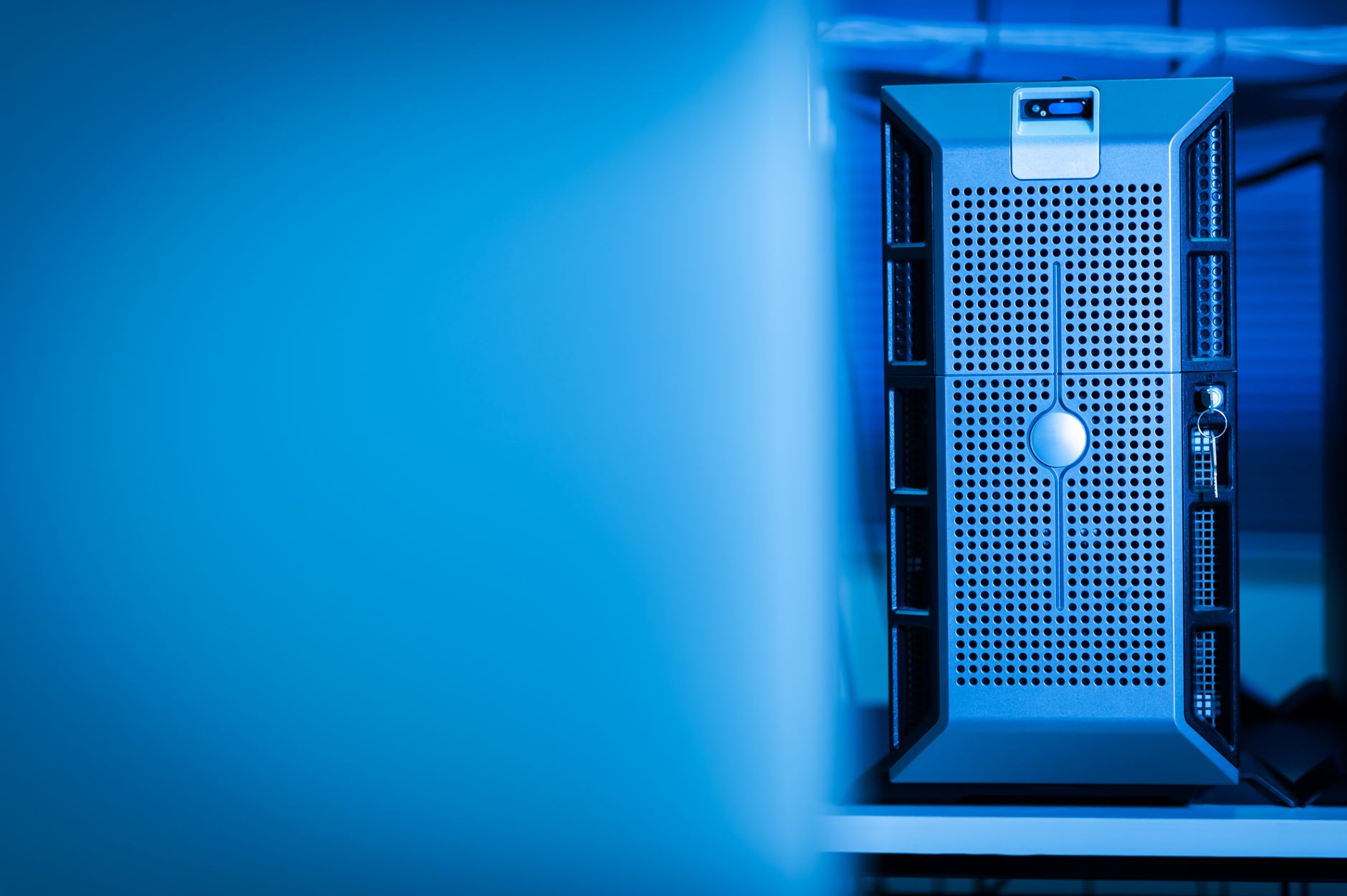
In a groundbreaking move, New York has become the first state in the U.S. to impose a ban on the construction of hyperscale AI data centers. Signed into law by Governor Kathy Hochul, this executive order halts development for one year, a decision that reverberates across the tech industry and raises significant questions about the future of AI infrastructure in the state and beyond.
Key Takeaways
- New York's executive order bans the construction of hyperscale AI data centers for one year.
- This unprecedented action aims to address environmental concerns and infrastructure strain.
- The ban may influence other states to consider similar regulations in the future.
- Industry leaders express concern over potential impacts on AI development and innovation.
- The decision could spark a debate over the balance between technological advancement and environmental sustainability.
Understanding the Ban on AI Data Centers
The executive order signed by Governor Kathy Hochul signifies a crucial stance on the burgeoning AI data industry. Hyperscale data centers, characterized by their massive scale and capacity to process vast amounts of data, have become the backbone of AI technology, powering applications from machine learning to real-time analytics. The decision to halt their construction comes amid growing concerns about energy consumption, environmental impact, and infrastructure limits.
According to state officials, the surge in AI capabilities necessitates an evaluation of the existing frameworks supporting such expansive technological growth. New York's dense population and limited land resources amplify these concerns, leading to this landmark decision. The one-year moratorium gives policymakers time to assess the implications of these data centers on energy consumption, water usage, and urban planning.
Why This Matters
This ban is not just a local issue; it reflects a broader trend in the tech industry, where environmental sustainability is taking center stage. As AI continues to integrate into various sectors, the demand for data centers has skyrocketed, raising questions about the environmental costs associated with their operation. Data centers are known to consume substantial energy, often relying on fossil fuels, which contributes to greenhouse gas emissions.
New York's decision could set a precedent for other states grappling with similar challenges. As the tech industry faces increasing scrutiny over its environmental footprint, this could trigger a wave of regulations aimed at curbing energy consumption and promoting sustainability. Companies that rely heavily on AI might need to adapt their strategies, considering both their ecological impact and the regulatory landscape.
Background and Context
The rise of hyperscale data centers began in the mid-2000s with the advent of cloud computing. Major players like Amazon, Google, and Microsoft established large data centers to meet the growing demand for cloud services. These facilities are designed to accommodate vast amounts of data through numerous servers, storage systems, and networking capabilities.
As AI technologies evolved, so did the need for processing power, further accelerating the establishment of these data centers. However, this growth has not come without consequences. Reports indicate that data centers account for about 2% of global electricity consumption, a figure that is expected to rise as AI and digital services proliferate. New York's decision to impose a temporary halt on their construction reflects growing awareness of these environmental challenges.
Expert Analysis
New York's moratorium is a pivotal moment in the intersection of technology and environmental policy. It underscores a growing sentiment among policymakers who believe that unchecked technological growth could come at a significant cost to the planet. Experts from various fields, including environmental science and urban planning, argue that regulations similar to New York's could catalyze a shift towards more sustainable practices within the tech industry.
Moreover, the ban raises essential questions about the future of AI development in the state. With the halt on new data centers, companies may need to innovate around existing infrastructure, pushing for advancements in efficiency and sustainability. This could lead to a new era of AI where environmental considerations are integrated into the development process, rather than being an afterthought.
However, industry leaders have voiced concerns over the potential stifling of innovation. They argue that restricting data center construction could hinder AI research and development, leading to a competitive disadvantage for New York compared to other tech hubs. As tech companies assess the implications of this ban, they may seek to relocate operations or invest in alternative regions that offer a more favorable regulatory environment.
What This Means for the Tech Industry
The implications of New York's ban extend far beyond its borders. Other states may take note of this decision and consider similar measures as they confront the dual challenges of housing technological advancements while mitigating environmental impacts. Tech companies must navigate this evolving landscape, balancing their growth ambitions with the need for sustainable practices.
For developers and users of AI technologies, this may mean a shift in how and where they operate. Companies might need to invest in upgrading existing facilities to improve energy efficiency or explore alternative, more sustainable data storage solutions. The focus could shift towards hybrid models that leverage both on-premises and cloud solutions, optimizing resource use while adhering to regulatory constraints.
Additionally, as the demand for AI services continues to grow, the industry may see an increase in the development of green technologies, such as renewable energy sources for powering data centers. Companies could invest in solar or wind power to mitigate their environmental impact, aligning with broader corporate social responsibility initiatives.
Frequently Asked Questions
What are hyperscale AI data centers?
Hyperscale AI data centers are large facilities designed to manage and process vast amounts of data, typically for cloud computing and AI applications. They consist of numerous servers and storage systems that work together to support high-demand applications.
Why did New York impose this ban?
The ban was implemented to address concerns about the environmental impact and energy consumption associated with hyperscale AI data centers, providing time for policymakers to evaluate these issues more thoroughly.
How might this affect AI development in New York?
The ban could potentially slow down AI development in the short term as companies adjust to the new regulations, but it may also encourage innovation in sustainable AI practices in the long run.
Could other states follow New York's lead?
Yes, other states may consider similar regulations as they grapple with the environmental implications of expanding data center infrastructure, especially in densely populated areas.
The Road Ahead
As New York navigates this uncharted territory, the road ahead will be pivotal for both the tech industry and environmental advocacy. The one-year moratorium on hyperscale AI data centers will provide critical insights into how technology can evolve in tandem with sustainability efforts. The outcomes of this initiative could inform future policies, not just in New York, but across the nation.
Looking forward, this ban may catalyze a broader movement toward adopting sustainable practices within the tech industry. Companies that proactively adopt green technologies and strategies may gain a competitive edge, positioning themselves as leaders in a rapidly evolving market focused increasingly on sustainability. The balance between innovation and environmental stewardship will be key as society seeks to harness the benefits of AI while protecting the planet for future generations.