NASA Selects Blue Origin for Lunar Rover Delivery: Implications for Space Exploration
NASA's recent selection of Blue Origin to deliver lunar rovers represents not just a significant milestone for the agency, but also a defining moment in the new era of lunar exploration. Following the successful Artemis II mission, this collaboration is set to revolutionize how we approach the moon, opening avenues for scientific discovery and commercial opportunities.
Key Takeaways
- Nasa has chosen Blue Origin to deliver its lunar rovers, enhancing capabilities for future moon missions.
- This decision arises just two months after the successful Artemis II mission, which showcased NASA’s commitment to lunar exploration.
- The lunar rovers will play a crucial role in establishing a sustainable moon base, critical for future Mars missions.
- Blue Origin’s technology and experience in the aerospace industry make it a suitable partner for this ambitious project.
- This collaboration reflects a broader trend of public-private partnerships in advancing space exploration efforts.
NASA's Lunar Rover Initiative and Blue Origin's Role
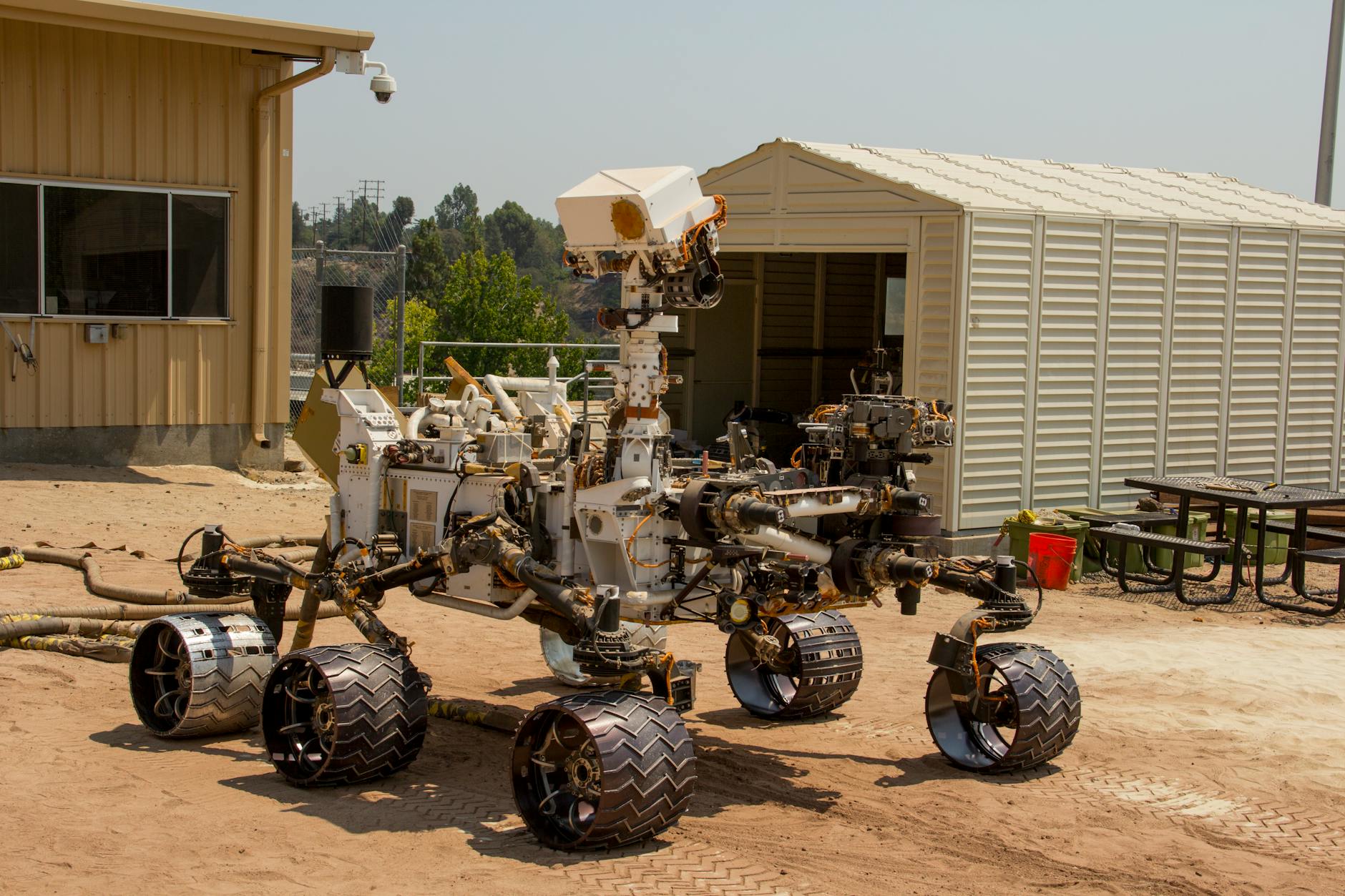
NASA has embarked on an ambitious plan to establish a sustained human presence on the moon, which includes building a lunar base that will serve as a launching pad for future Mars missions. In line with these goals, the agency has announced that it will partner with Blue Origin to deliver a fleet of lunar rovers designed for exploration and scientific research on the lunar surface.
Blue Origin, founded by Jeff Bezos, is known for its innovative approach to aerospace technology, including reusable rocket systems such as the New Shepard. The company’s selection comes as NASA seeks to leverage private sector capabilities to accelerate its lunar exploration agenda. The rovers are expected to be equipped with advanced sensors and instruments that will facilitate high-resolution mapping, geological studies, and resource identification on the moon.
Why This Matters
This partnership between NASA and Blue Origin is pivotal for several reasons. Firstly, it establishes a framework for future lunar exploration that is not solely reliant on government funding and resources. Instead, it harnesses the innovation and efficiency of private companies, which can bring new technologies to the table and streamline processes that have traditionally been bogged down by bureaucratic hurdles.
Moreover, this initiative aligns with NASA's broader strategy to create a sustainable moon base. The data gathered by these rovers will inform infrastructure decisions, resource management, and potential colonization efforts. Establishing a permanent presence on the moon is not just about exploration; it is a crucial step towards human missions to Mars and beyond, making this collaboration a cornerstone of humanity’s journey into deeper space.
Background and Context
The Artemis program, which aims to land humans on the moon by the mid-2020s, is a significant evolution of NASA's lunar exploration efforts. The successful Artemis II mission, which recently took place, marked a critical step in testing systems designed for human landings. As NASA moves towards this ambitious goal, the integration of commercial partners like Blue Origin is becoming increasingly important.
Historically, lunar exploration has been characterized by significant governmental investment and a focus on scientific research. However, as technology has progressed and the landscape of space exploration has shifted, the role of commercial entities has grown. Blue Origin's involvement reflects this trend and illustrates NASA's commitment to fostering partnerships that enhance mission capabilities.
Expert Analysis
From an analytical perspective, Blue Origin’s selection is a testament to the growing trend of public-private partnerships in the aerospace sector. These collaborations have the potential to reduce costs and accelerate timelines, which are critical factors in a field where technological advancement and market dynamics are rapidly evolving.
Furthermore, the decision to use lunar rovers reflects a strategic pivot towards robotics in space exploration. Rovers can conduct extensive research without the immediate need for human presence, allowing for thorough environmental assessments and enabling missions to be executed more efficiently. This approach not only minimizes risk but also maximizes data collection opportunities, paving the way for future crewed missions.
Additionally, Blue Origin's technological prowess, particularly in developing autonomous systems, will be integral to the rovers’ functionality. These vehicles must operate in harsh lunar conditions, navigating rugged terrain and extreme temperatures while relaying critical data back to Earth. The experience that Blue Origin brings to the table could significantly enhance the scientific yield from these missions.
What This Means for Future Lunar Exploration
The implications of this partnership extend beyond the immediate goals of lunar exploration. Establishing a sustainable lunar presence could lead to new industries, including space mining, tourism, and research. The ability to utilize lunar resources—such as ice water for life support and fuel—could transform the economics of space exploration, making it more feasible to conduct missions that were once considered too ambitious.
For users and developers in the aerospace industry, this initiative signals a shift towards collaborative models that could influence how future space missions are conceptualized and executed. Companies looking to engage in space exploration may find new opportunities to partner with governmental organizations, thereby sharing the risks and rewards associated with these high-stakes projects.
Frequently Asked Questions
What are the main objectives of the lunar rovers?
The primary objectives include conducting geological surveys, mapping the lunar surface, identifying resources, and testing technologies that will support future human missions.
How does Blue Origin's technology contribute to the lunar mission?
Blue Origin’s expertise in developing autonomous systems and reusable rocket technology enables efficient and reliable delivery of rovers and other mission-critical equipment to the moon.
What is the significance of a sustainable lunar base?
A sustainable lunar base is crucial for long-term human presence on the moon, supporting research and development for Mars missions and enabling commercial activities such as mining and tourism.
How does this collaboration reflect the future of space exploration?
This collaboration exemplifies the increasing role of private companies in space exploration, which helps to democratize access to space and accelerate innovation through competitive practices.
The Road Ahead
Looking forward, the collaboration between NASA and Blue Origin sets a precedent for how future space missions might be conducted. As the Artemis program progresses, we can expect increased engagement from private sector companies, which will enhance mission capabilities and foster innovation. This approach could lead to a thriving ecosystem where government and commercial entities work together to push the boundaries of space exploration.
The successful execution of the lunar rover missions will provide valuable lessons that can be applied to future Mars missions and beyond. The data collected will inform not only scientific research but also the logistical and operational challenges of living and working on another planetary body. Ultimately, the partnership between NASA and Blue Origin could serve as a model for how humanity approaches the exploration and potential colonization of other planets.