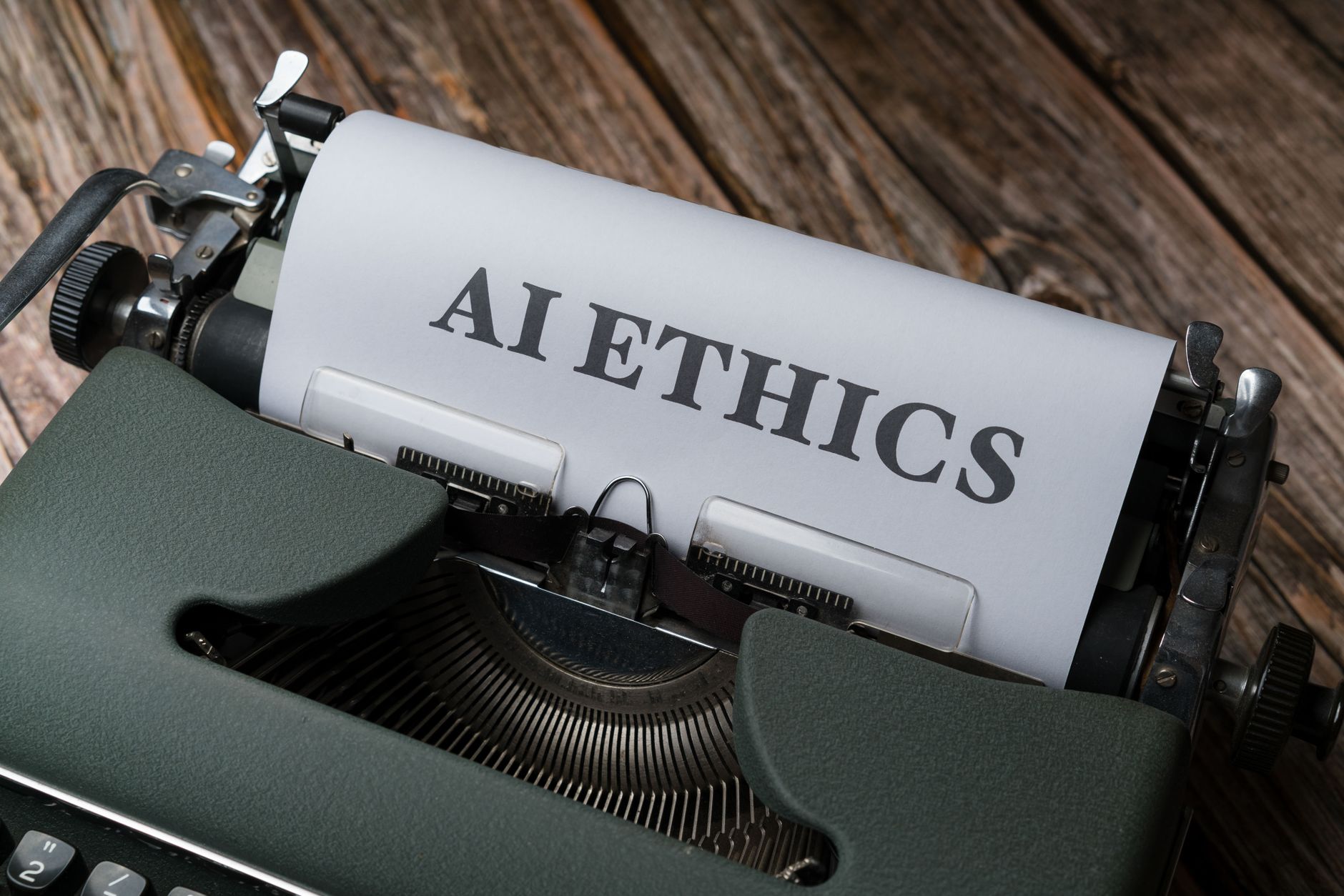
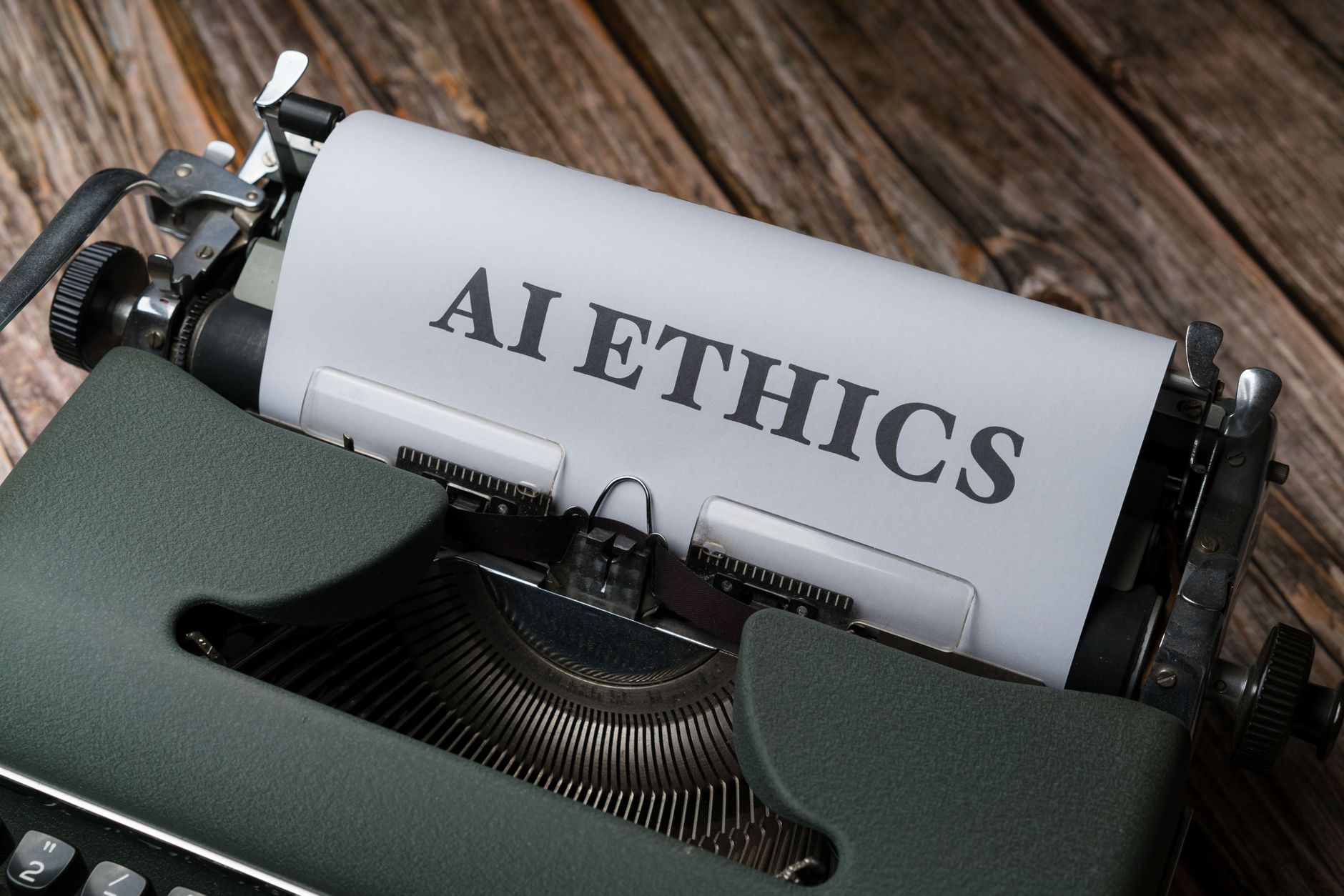
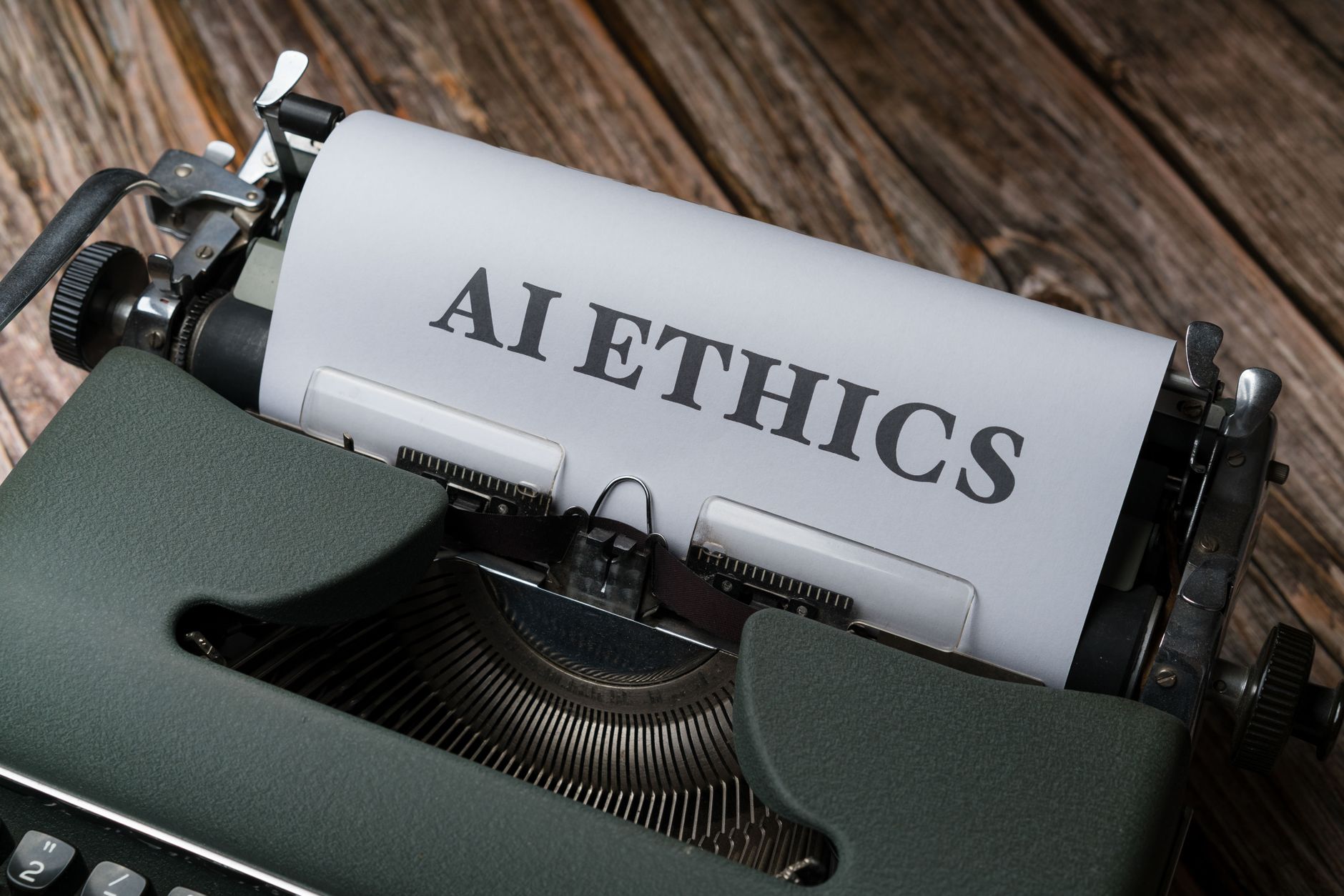
Measuring AI's Impact on Society: A Critical Oversight

As artificial intelligence becomes more integrated into the fabric of our daily lives, the metrics we use to evaluate its performance have become increasingly sophisticated. Yet, as researchers explore the capabilities of AI systems, a glaring gap emerges: the lack of standardized, systematic measures for assessing AI's impact on society and human well-being. This oversight raises critical questions about the future of AI deployment and its broader implications.
Key Takeaways
- Current evaluations of AI focus heavily on technical performance, often neglecting societal impacts.
- As AI systems become more advanced, it's crucial to develop metrics that assess their effects on human behavior and societal structures.
- Measuring AI's societal impact can help mitigate biases and improve transparency in AI applications.
- Stakeholders, including researchers, policymakers, and developers, must collaborate to create comprehensive evaluation frameworks.
- The absence of robust measurement tools poses risks for unintended consequences that could arise from AI integration.
The Current State of AI Evaluation
In the race to advance artificial intelligence, substantial efforts have been dedicated to measuring its capabilities—whether through technical benchmarks, computational efficiency, or reasoning tests. Researchers have developed a suite of metrics that assess how well an AI can perform a given task, such as natural language processing or image recognition. For instance, the GLUE (General Language Understanding Evaluation) benchmark evaluates a model's performance across various language tasks, providing a quantitative measure of its linguistic competence.
While these measures are undoubtedly important, they predominantly focus on the technical abilities of AI systems, often overlooking a crucial dimension: the impact these systems have on human lives and societal structures. As highlighted in the original reporting from IEEE Spectrum, the emphasis on technical prowess has created a blind spot in our understanding of AI's broader implications. This lack of focus on societal impact could lead to the deployment of AI technologies that inadvertently perpetuate biases, exacerbate inequalities, or even infringe on individual rights.
Why This Matters
The implications of measuring AI's societal impact extend far beyond academic curiosity. With AI applications increasingly influencing everything from hiring practices to criminal justice, understanding how these systems affect human behavior and societal dynamics is paramount. For example, algorithms used in hiring can unintentionally reinforce existing biases if they are trained on historical data that reflects systemic inequality. Without proper measurement and evaluation frameworks, organizations risk perpetuating these biases in their decision-making processes.
Moreover, as AI technologies continue to evolve, they will be integrated into more complex systems, potentially resulting in unforeseen consequences. A lack of understanding regarding AI's societal impact could lead to significant ethical dilemmas and challenges for developers and policymakers alike. By establishing comprehensive metrics that assess how AI affects human experiences, we can proactively address these issues, ensuring that technological advancements align with societal values and ethical standards.
Background and Context
The conversation around the ethical implications of AI is not new. Discussions about the societal effects of technology date back decades, yet the urgency has intensified with the recent proliferation of machine learning and deep learning technologies. Historically, technology has always been a double-edged sword, offering substantial benefits while also posing risks. The introduction of the internet, for instance, revolutionized communication and information access but also gave rise to privacy concerns, cyberbullying, and misinformation.
In the context of AI, the stakes are particularly high. As AI systems become more autonomous and capable of making decisions that directly impact human lives, the need for robust evaluation frameworks is more pressing than ever. The European Union, for example, is currently working to establish regulations that address the ethical use of AI, emphasizing the importance of transparency, accountability, and human oversight. However, without a clear understanding of how to measure AI's societal impact, these regulatory efforts may fall short.
Expert Analysis
To bridge the gap in measuring AI's societal impact, a multi-faceted approach is necessary. First, stakeholders across disciplines—researchers, developers, ethicists, and policymakers—must collaborate to establish standardized evaluation frameworks that include both technical performance metrics and societal impact assessments. This could involve adapting existing social science methodologies to evaluate how AI systems influence human behavior, decision-making, and social structures.
Furthermore, integrating feedback loops into the evaluation process can enhance our understanding of AI's effects over time. By continuously monitoring how AI systems interact with users and communities, we can gain insights into their long-term impacts, allowing for timely interventions when necessary. For example, deploying user surveys or community feedback mechanisms can help organizations gauge public sentiment about AI applications, revealing potential issues that may not be apparent through technical metrics alone.
Another critical aspect is the need for transparency in AI systems. Developers must strive to create explainable AI models that can elucidate their decision-making processes. This transparency not only builds trust among users but also facilitates better evaluation of AI's societal impacts. By understanding how an AI system arrives at a particular decision, stakeholders can assess whether that decision aligns with ethical considerations and societal standards.
What This Means for Developers and Policymakers
For developers, the call to measure AI’s societal impact is a reminder that technical expertise alone is insufficient. Building AI systems that are not only effective but also ethical requires a holistic understanding of the societal context in which these systems operate. This means engaging with diverse perspectives, including those from marginalized communities who may be disproportionately affected by AI technologies.
Policymakers, on the other hand, must prioritize the establishment of regulations that promote comprehensive evaluation frameworks. By incentivizing organizations to measure and report on the societal impacts of their AI systems, governments can help mitigate risks associated with bias, discrimination, and privacy violations. Collaborative initiatives, such as public-private partnerships, can also be instrumental in driving research and development focused on societal impact measurement.
Frequently Asked Questions
Why is it important to measure AI's societal impact?
Measuring AI's societal impact is crucial to ensure that these technologies align with ethical standards and societal values. By understanding how AI affects human behavior and social structures, we can mitigate risks such as bias and discrimination.
What are some examples of AI systems that could have societal impacts?
AI systems used in hiring, criminal justice, healthcare, and social media can significantly influence human lives. For instance, biased algorithms in hiring could perpetuate inequalities in employment opportunities.
How can organizations measure the societal impact of AI?
Organizations can adopt multi-faceted evaluation frameworks that integrate technical performance metrics with social science methodologies, such as user surveys and community feedback mechanisms.
What role do policymakers play in measuring AI's impact?
Policymakers can establish regulations that promote transparency and accountability in AI systems, incentivizing organizations to measure and report on the societal impacts of their technologies.
The Road Ahead
As AI continues to evolve and permeate various sectors, the urgency to develop robust measurement frameworks for assessing its societal impact cannot be overstated. The convergence of technology and society demands that we prioritize ethical considerations alongside technical advancements. By fostering collaboration among researchers, developers, and policymakers, we can create a future where AI enhances human well-being rather than undermining it.
Looking ahead, the establishment of standardized metrics for evaluating AI’s societal impact could serve as a benchmark for responsible AI development. This proactive approach not only safeguards against potential risks but also empowers stakeholders to harness the transformative potential of AI in a manner that promotes equity, transparency, and accountability. The road ahead is one of collaboration, reflection, and a commitment to aligning technological innovation with the broader goals of human flourishing.