Jim Cramer Predicts Intel's Stock Could Soar 40% by 2026
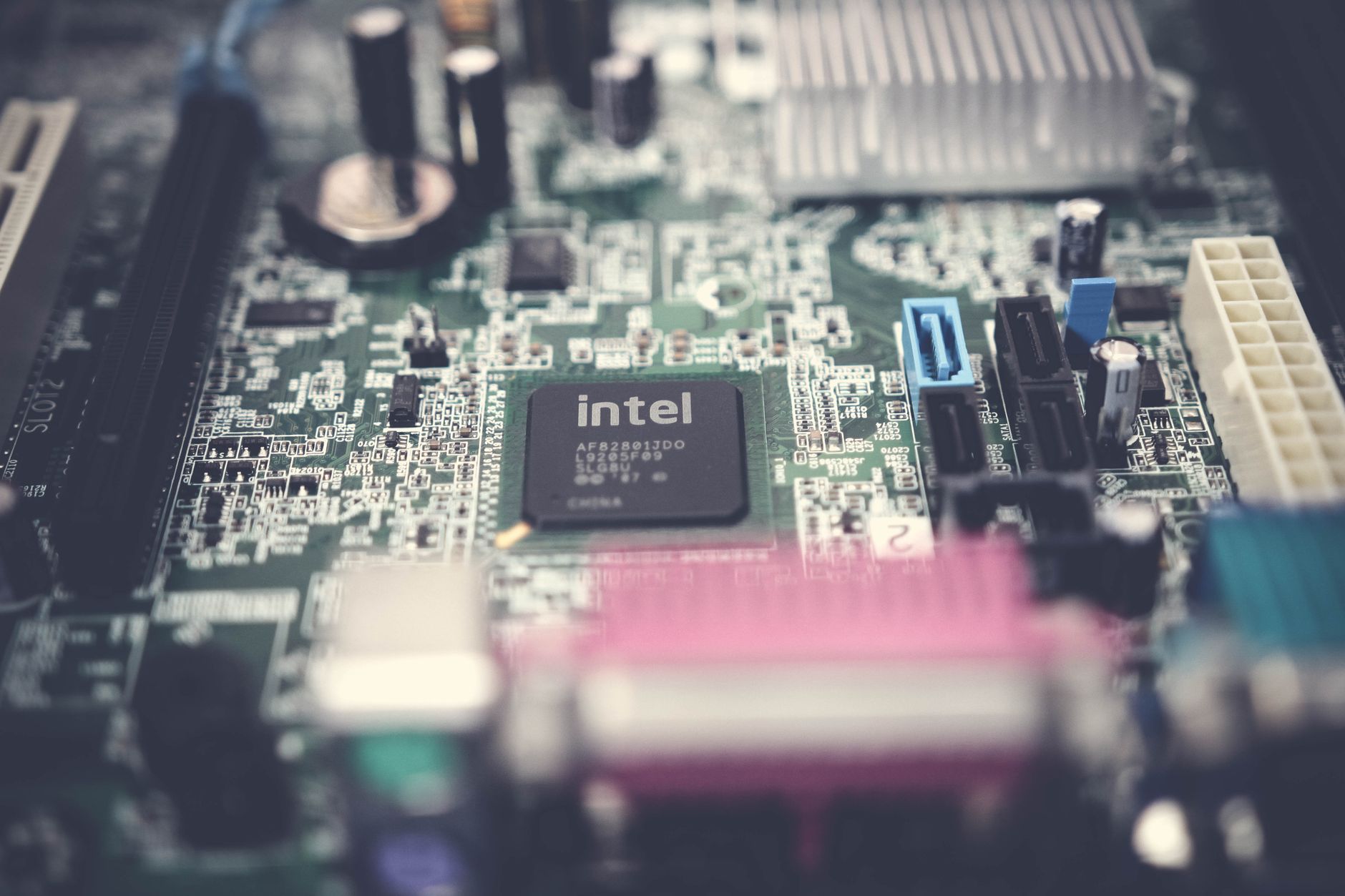
In a bold statement that has captured the attention of investors and analysts alike, Jim Cramer has predicted that Intel Corporation's stock could soar to $200, reflecting a potential 40% increase. This projection places Intel as the third-best stock in the S&P 500 for 2026, igniting discussions about the evolving dynamics of the semiconductor market and Intel's role within it. Cramer’s confidence in Intel's trajectory is not merely conjecture; it stems from an analysis of the company's strategic moves and broader industry trends.
Key Takeaways
- Jim Cramer anticipates Intel's stock could rise to $200, representing a 40% increase.
- Intel is positioned as the third-best stock in the S&P 500 for 2026, driven by innovation and market demand.
- The semiconductor market is experiencing significant growth, with increased demand for chips in various sectors.
- Intel's strategic initiatives, including investments in AI and cloud computing, are crucial to its projected success.
- Market conditions, including competition and supply chain dynamics, will influence Intel's stock performance.
Descriptive Section About the News
During a recent broadcast, renowned financial analyst Jim Cramer made waves by declaring that Intel's stock is on a trajectory to reach $200 by 2026, suggesting a remarkable growth potential of up to 40%. His assertion comes at a time when the semiconductor industry is experiencing a renaissance, fueled by escalating demand across various technological sectors. Cramer emphasized that this growth is not just a fleeting moment but is backed by substantial shifts in market dynamics and Intel's corporate strategies.
Cramer's enthusiasm for Intel is rooted in the company's efforts to regain its competitive edge. After facing challenges from rivals like AMD and NVIDIA, Intel has undertaken a series of transformations aimed at revitalizing its product lineup and boosting its market share. This includes a renewed focus on advanced manufacturing processes and a commitment to research and development that positions the company for future success.
Why This Matters
The implications of Cramer's prediction extend far beyond the stock price, touching on broader industry trends and economic indicators. As the semiconductor sector becomes increasingly critical to global technology infrastructure, understanding the factors driving Intel's potential growth is essential for investors and stakeholders. Cramer's endorsement also reflects confidence in the U.S. semiconductor industry at a time when nations are vying for leadership in this pivotal sector.
Intel's potential to emerge as a leader in the semiconductor arena not only impacts investors but also has ramifications for the technology landscape. A robust Intel can drive innovation, influence pricing, and shape the competitive landscape, making it a barometer for the health of the technology sector as a whole. As companies like Intel innovate and expand their capabilities, they also contribute to the broader economy by creating jobs and fostering technological advancement.
Background and Context
The semiconductor industry has undergone radical transformations over the past decade, with advancements in technology driving unprecedented demand for microchips. The rise of artificial intelligence, the Internet of Things (IoT), and cloud computing has created an insatiable appetite for processing power, which semiconductors provide. Intel, once the undisputed leader in the market, faced intensified competition in recent years, prompting a reevaluation of its strategies.
Historically, Intel's dominance was built on its ability to innovate and scale production effectively. However, as competitors began to introduce more advanced products, Intel's market share began to wane. The company has since pivoted, emphasizing the development of next-generation technologies, including AI chips and enhanced manufacturing capabilities that align with the evolving needs of consumers and businesses alike.
Expert Analysis
Jim Cramer's assertion about Intel's potential growth reflects a deeper understanding of market dynamics and technological advancements. To assess the plausibility of a 40% increase in Intel's stock price, it's crucial to consider several factors that could influence the company's performance.
First, the demand for semiconductors is projected to continue its upward trajectory, driven by industries such as automotive, healthcare, and consumer electronics. As companies increasingly rely on advanced chips for AI applications and smart devices, Intel stands to benefit from this expanding market. Analysts predict that the global semiconductor market could exceed $1 trillion by 2030, providing ample opportunity for companies like Intel to capitalize on this growth.
Second, Intel's recent investments in research and development are pivotal to its future success. The company's commitment to developing cutting-edge technologies, such as AI processors and advanced manufacturing techniques, positions it to reclaim its competitive edge. By focusing on innovation, Intel can respond effectively to market demands and deliver products that meet the needs of a diverse customer base.
Furthermore, Cramer's confidence in Intel is bolstered by the company's strategic partnerships and collaborations. By engaging with other tech giants and industry leaders, Intel can leverage synergies that enhance its product offerings and expand its market reach. These partnerships also facilitate knowledge exchange and innovation, positioning Intel favorably in the competitive landscape.
What This Means for Investors
For investors, Cramer's bullish outlook on Intel is a call to action. With the potential for a 40% increase in stock price, understanding the nuances of the semiconductor market and Intel's role within it is crucial for making informed investment decisions. Investors should consider several practical takeaways as they navigate this evolving landscape.
First, diversifying portfolios to include semiconductor stocks may be a prudent strategy. Given the industry's growth trajectory and Intel's strategic initiatives, investors could benefit from exposure to companies that are positioned to thrive in this environment. This diversification could help mitigate risks associated with volatility in specific sectors.
Second, keeping abreast of technological advancements and industry trends is essential. Investors should monitor developments in AI, IoT, and cloud computing, as these areas will significantly impact semiconductor demand. By staying informed, investors can better anticipate market shifts and make timely investment decisions.
Frequently Asked Questions
What factors could drive Intel's stock price to $200?
Factors such as increased demand for semiconductors, successful product launches, and strategic partnerships can drive Intel's stock price upward. Additionally, advancements in AI and cloud computing create new opportunities for growth.
How does Intel compare to its competitors?
Intel faces competition from companies like AMD and NVIDIA, which have gained market share with innovative products. However, Intel's focus on research and development aims to regain its competitive edge and meet evolving market needs.
What role does innovation play in Intel's future?
Innovation is critical for Intel's success as it seeks to develop cutting-edge technologies that address market demands. The company's investment in R&D is essential for staying competitive and capturing growth opportunities.
Should investors buy Intel stock now?
Investors should consider their risk tolerance and investment strategy before purchasing Intel stock. With Cramer's positive outlook, it may be worth evaluating the stock's potential for growth in the context of a diversified portfolio.
The Road Ahead
Looking to the future, Intel's trajectory seems poised for significant transformation. As the company continues to innovate and adapt to market dynamics, its ability to capitalize on emerging technologies will be critical. The semiconductor industry is at a pivotal moment, with opportunities for growth and advancement presenting themselves as never before.
Ultimately, Jim Cramer's prediction reflects optimism not just for Intel but for the semiconductor sector as a whole. As companies invest in technology and innovation, the market landscape will continue to evolve, creating new avenues for growth and development. Investors and stakeholders must remain vigilant, understanding that while challenges may arise, the potential for substantial returns in this dynamic industry is equally promising.