The Humanity Behind AI: Why We Must Trust Ourselves More
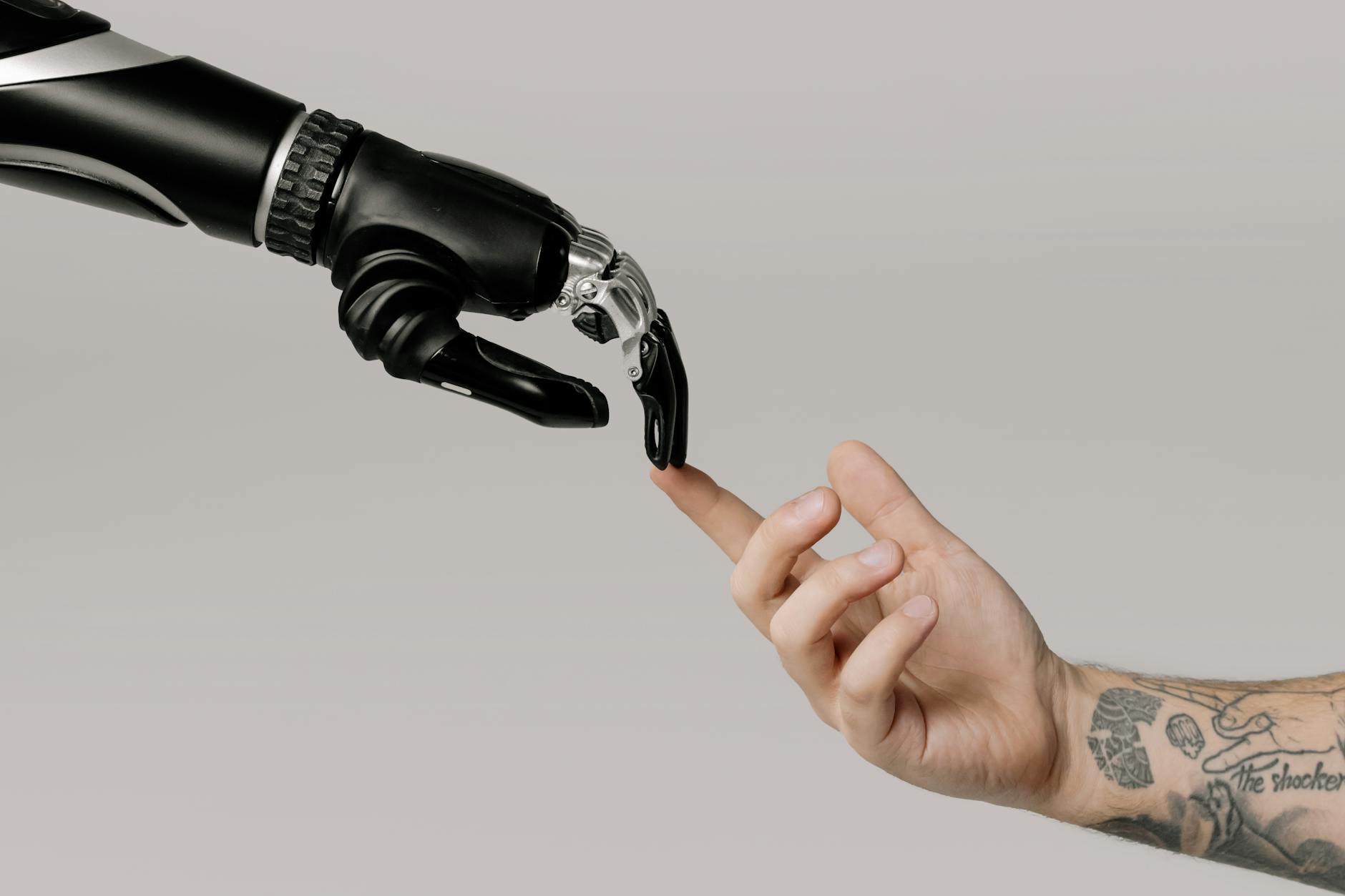
As we navigate an era dominated by artificial intelligence, the conversation surrounding its implications on our humanity and societal structures is more critical than ever. The increasing reliance on AI systems raises significant questions about the erosion of human connections and the trust we place in machines over our fellow humans. This article dives deep into these concerns, reflecting on the current political moment while exploring the complex interplay between technology, trust, and our collective future.
Key Takeaways
- The rise of AI is reshaping human interactions, often leading to a decline in meaningful connections.
- Trust in AI systems over human judgment can have dangerous societal implications.
- There is a growing need to assert human agency in the face of technological advancements.
- Political and social landscapes are heavily influenced by the narratives constructed through AI-driven content.
- We must critically assess the role of AI in our lives and prioritize human connections to foster a healthier society.
Understanding the Current Landscape
The emergence of AI as a dominant force in various sectors—from communication to healthcare—has sparked a myriad of discussions about its societal implications. As machines become increasingly capable of performing tasks traditionally reserved for humans, many individuals find themselves questioning the authenticity of their interactions and the quality of the information they consume. In her recent article, Nesrine Malik highlights a critical point: the absence of meaning and humanity in AI-generated content serves as a reflection of our current political and social climate.
In today’s fast-paced world, where ease and speed often trump depth and connection, the use of AI tools has become commonplace. Writers, researchers, and even everyday users frequently turn to AI as a source of information and a partner in creativity. While these tools can enhance productivity, they also come with the risk of diluting our ability to engage meaningfully with one another and our environment. Malik’s insights resonate with a growing sentiment that, in our quest for efficiency, we might be sacrificing the very essence of what it means to be human.
Why This Matters
The implications of trusting AI over human judgment extend beyond mere convenience; they touch upon the very fabric of our society. As we increasingly lean on technology for guidance, we inadvertently diminish our capacity for critical thinking and personal connection. This trend is especially concerning in a political context, where narratives crafted by AI can shape public opinion, often lacking the nuance and empathy that human discourse provides.
The reliance on AI-generated content can lead to the propagation of misinformation, as algorithms prioritize engagement over accuracy. This phenomenon raises the stakes for democracy and public trust, emphasizing the need for a recalibration of our relationship with technology. By understanding the potential pitfalls of AI, we can begin to navigate these challenges and foster a society that values human insight and connection.
Background and Context
The integration of AI into our daily lives is not a new phenomenon; however, its rapid advancement has outpaced our ability to fully comprehend its implications. The journey of AI began decades ago, but its exponential growth in recent years has created a landscape where machines can now mimic human thinking and behavior. This capability has sparked debates about the ethical implications of AI, particularly concerning its role in society and governance.
Historically, the advent of new technologies has often been met with skepticism and fear. The industrial revolution, for instance, raised concerns about the loss of jobs and the dehumanization of labor. Today, as AI systems infiltrate various sectors, similar anxieties emerge about the erosion of personal connections and the potential for machines to replace human judgment. The need for a balanced approach to AI adoption—one that prioritizes human values and connections—is critical to ensuring that our society does not lose its humanity in the process.
Expert Analysis
It's essential to analyze the broader implications of our increasing dependence on AI. The allure of AI lies in its efficiency and its ability to process vast amounts of information quickly. However, this efficiency often comes at the expense of depth, understanding, and emotional engagement. When we allow AI to dictate our narratives, we risk creating a homogenized society where diverse perspectives are stifled.
Moreover, the political ramifications of AI-generated content cannot be overstated. In recent elections around the globe, AI tools have been employed to manipulate information, influencing voter behavior and shaping public discourse. The danger lies in the fact that these systems operate on algorithms that prioritize virality over truth, further entrenching divisions and fostering distrust among communities.
As we navigate this intricate landscape, it's crucial to foster a culture that emphasizes human agency and critical engagement with technology. By prioritizing human connections, we can counteract the isolating effects of AI and create a society that values empathy and understanding. The challenge lies in redefining our relationship with technology, ensuring that it serves as a tool for enhancing human experience rather than a substitute for it.
What This Means for Society
For society at large, the implications of trusting AI over human judgment are profound. As we become increasingly reliant on machines for decision-making, we risk undermining the very foundations of community and collaboration. Human relationships are built on trust, empathy, and understanding—qualities that AI simply cannot replicate. To foster a healthier society, we must actively choose to prioritize human connections and cultivate environments where meaningful interactions can thrive.
Additionally, there is a pressing need for education and awareness surrounding the use of AI tools. By equipping individuals with the skills to critically assess AI-generated content, we can empower them to navigate the complexities of the digital landscape. This approach not only enhances individual capacity for discernment but also reinforces the importance of human judgment in an age dominated by technology.
Frequently Asked Questions
Why is it important to trust humans over AI?
Trusting humans over AI is crucial because human judgment encompasses emotional intelligence, ethical considerations, and the ability to understand context—qualities that AI lacks. In decision-making, these attributes are vital for fostering trust and collaboration in society.
How can AI impact political discourse?
AI can significantly influence political discourse by shaping narratives through algorithmically generated content. This can lead to misinformation and the polarization of public opinion, ultimately undermining democratic processes.
What steps can we take to ensure responsible AI use?
To ensure responsible AI use, we can prioritize transparency in AI systems, promote digital literacy, and advocate for ethical guidelines in AI development. Additionally, fostering critical thinking skills among users is essential for navigating AI-generated content effectively.
Is it possible to balance AI efficiency with human connection?
Yes, it is possible to balance AI efficiency with human connection by leveraging AI as a tool to enhance human experiences rather than replace them. This requires a commitment to prioritizing human values and fostering environments that encourage meaningful interactions.
The Road Ahead
Looking forward, the challenge will be to cultivate a society that harmonizes the advantages of AI with the intrinsic value of human relationships. As we delve deeper into the age of technology, it is critical to advocate for a future that prioritizes human agency and connection. This involves not only reevaluating our relationship with AI but also recognizing the potential consequences of our choices on societal cohesion.
To achieve this, individuals, communities, and policymakers must engage in ongoing dialogue about the ethical implications of AI. By fostering a culture that values critical thinking, empathy, and connection, we can ensure that technology serves as a complement to our humanity rather than a replacement for it. The road ahead may be challenging, but by prioritizing our shared values, we can navigate the complexities of AI responsibly and constructively.