Huawei's Chip Queen Challenges Moore's Law and US Dominance
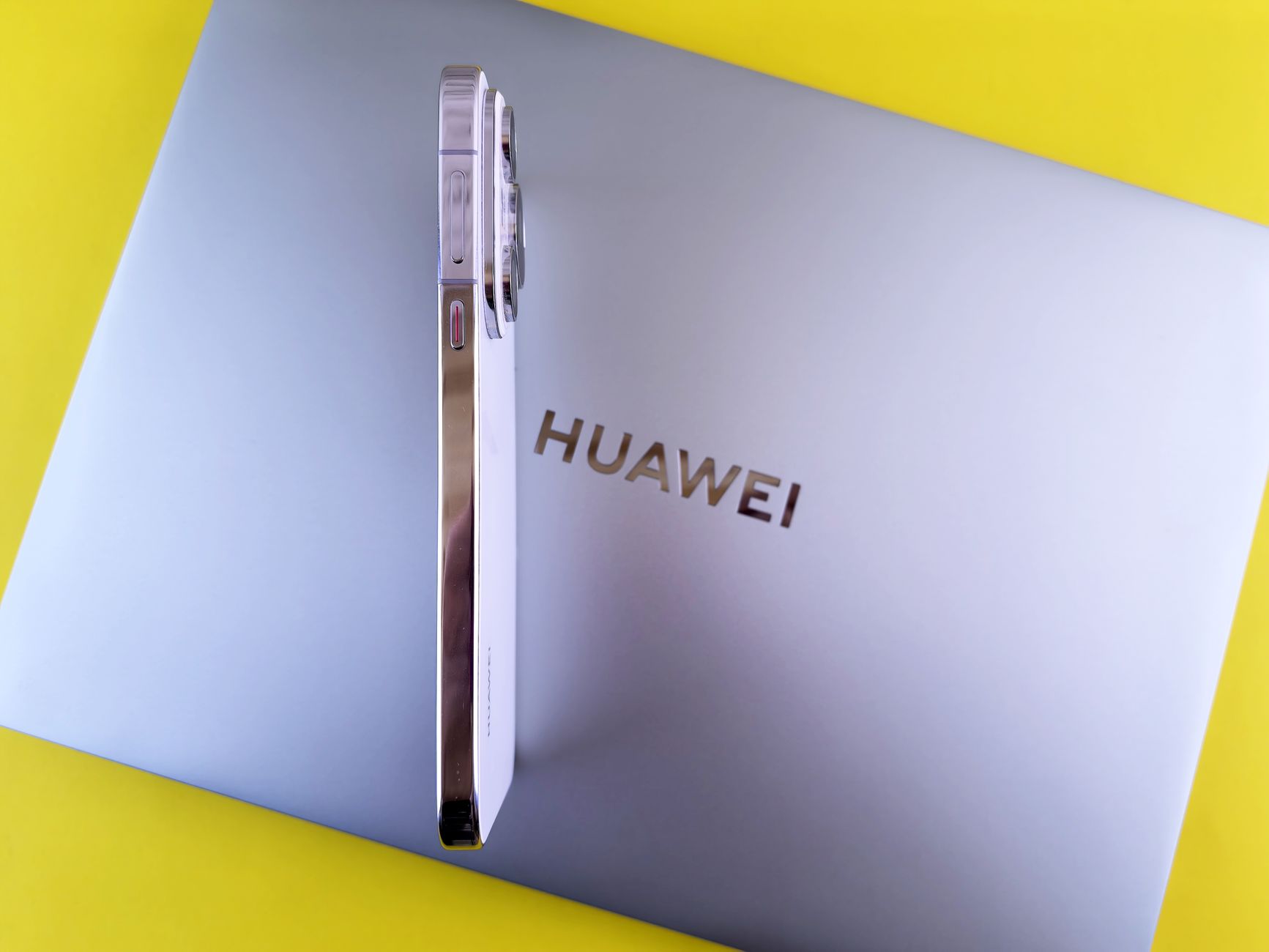
As the semiconductor industry grapples with the slowing of Moore's Law, Huawei has positioned itself at the forefront of this transformative moment. Under the leadership of its 'chip queen', the company is not just adapting to these changes but is also laying down the gauntlet to its competitors, especially in the U.S. This shift could very well redefine global tech dynamics.
Key Takeaways
- Huawei is strategically navigating the limitations of Moore's Law, which has historically guided chip innovation.
- The company's advancements in chip design and fabrication may disrupt U.S. dominance in the semiconductor sector.
- Huawei's approach includes leveraging innovative materials and architectures in chip production.
- The implications of Huawei's advancements could influence global supply chains and geopolitical tensions.
- As the semiconductor landscape evolves, companies will need to rethink their strategies in response to new technological barriers.
The Rise of Huawei's Chip Queen
Huawei has emerged as a significant player in the semiconductor arena, especially under the guidance of its chief chip architect, Meng Wanzhou, often referred to as the 'chip queen'. Her leadership marks a pivotal shift for the company as it confronts the challenges posed by the diminishing returns of Moore’s Law — the observation that the number of transistors on a microchip doubles approximately every two years, leading to exponential increases in performance and efficiency.
As the semiconductor industry faces the reality that traditional scaling is reaching its physical limits, Huawei's strategy emphasizes innovation beyond mere transistor density. The company is investing heavily in alternative materials and advanced chip architectures, which could potentially leapfrog current technologies even as Moore’s Law falters.
Recent advancements in Huawei's semiconductor capabilities indicate a broader understanding of the need for diversification in chip design. By adopting a multi-faceted approach that includes new materials like gallium nitride and advanced three-dimensional chip layouts, Huawei aims not only to maintain its competitiveness but also to redefine what is possible in semiconductor technology.
Why This Matters
The implications of Huawei's advancements extend far beyond the company's bottom line. The semiconductor industry is a cornerstone of the global economy, affecting everything from consumer electronics to military applications. As Huawei pushes the boundaries of chip production, it raises critical questions about the future of U.S. dominance in this strategic sector.
The U.S. has long held a lead in semiconductor technology, thanks in part to its substantial investments in research and development, as well as its robust supply chains. However, as Huawei adapts and innovates in response to the limitations of Moore’s Law, the balance of power in the semiconductor industry may shift. This could lead to increased competition and potentially influence global trade dynamics, particularly between the U.S. and China.
Furthermore, Huawei's advancements could inspire a wave of innovation across the industry, prompting other companies to rethink their strategies and invest in alternative technologies. This, in turn, may accelerate the pace of technological advancement in sectors reliant on semiconductors, potentially leading to breakthroughs in areas such as artificial intelligence, quantum computing, and beyond.
Background and Context
The concept of Moore’s Law, proposed by Gordon Moore in 1965, has been a guiding principle for the semiconductor industry for decades. It has set expectations for the pace of technological advancement and has driven significant investment in research and development. However, as we enter the 2020s, it has become increasingly clear that the pace of innovation dictated by Moore’s Law is slowing. Physical limitations, including heat dissipation and the quantum effects of miniaturization, are beginning to constrain further advancements.
In response to these challenges, companies like Huawei are forced to innovate outside the traditional confines of Moore’s Law. This shift is not merely a matter of increasing transistor counts but involves exploring entirely new architectures, materials, and fabrication techniques. As the semiconductor landscape evolves, it becomes essential to understand both the technological and geopolitical implications of these changes.
Expert Analysis
The potential disruption posed by Huawei's advancements cannot be overstated. By focusing on innovative materials and chip architectures, Huawei is setting a new standard for what is achievable in semiconductor technology. This shift may encourage other players in the industry to explore similar avenues, fostering a competitive environment that could accelerate technological progress.
Moreover, Huawei's approach may also have implications for environmental sustainability. The semiconductor industry is increasingly scrutinized for its energy consumption and waste generation. By exploring alternative materials and manufacturing processes, Huawei could lead the way in developing more sustainable practices within the industry, which is becoming an essential consideration for consumers and regulators alike.
Additionally, the geopolitical ramifications of Huawei's advancements cannot be ignored. The U.S. government has imposed significant restrictions on Huawei, citing national security concerns. As Huawei continues to innovate, it may challenge these restrictions by demonstrating that it can lead in chip technology independently of U.S. suppliers. This could shift the narrative around Huawei from a company perceived as a threat to one seen as a leader in semiconductor innovation.
What This Means for the Semiconductor Industry
For the semiconductor industry, Huawei's developments signal a need for a paradigm shift. Companies that have relied heavily on Moore’s Law must now reassess their strategies and invest in research that explores alternative technologies. This could lead to a diversification of the types of chips being produced, potentially resulting in a wider array of applications and uses.
Furthermore, as competition intensifies, there will likely be a greater emphasis on collaboration among companies, universities, and research institutions. The complexity of new chip designs may require a pooling of resources and expertise that has not been seen before. This collaborative approach could accelerate innovation and lead to breakthroughs that might not have been possible in a more fragmented environment.
On the consumer side, this shift could result in more advanced products that leverage these new technologies. From faster smartphones to more efficient data centers, the applications of these advancements are vast and varied, promising to enhance user experiences across the board.
Frequently Asked Questions
What is Moore’s Law, and why is it important?
Moore’s Law is the observation that the number of transistors on a microchip doubles approximately every two years, leading to increases in performance and efficiency. It has been a guiding principle for the semiconductor industry, influencing technological advancements and investment strategies.
How is Huawei adapting to the challenges posed by Moore’s Law?
Huawei is exploring new materials and chip architectures that go beyond traditional transistor scaling. This includes the use of materials like gallium nitride and advanced 3D chip designs to maintain performance and efficiency as Moore’s Law slows.
What are the geopolitical implications of Huawei's advancements in chip technology?
As Huawei innovates in semiconductor technology, it may challenge U.S. dominance in the sector and alter perceptions of the company. This could lead to increased competition and shift the dynamics of global trade, particularly between the U.S. and China.
How could Huawei's innovations impact consumers?
Advancements in chip technology could lead to faster, more efficient devices across various sectors, enhancing user experiences in smartphones, computers, and data centers. This may also drive down costs and increase accessibility to advanced technologies.
The Road Ahead
Looking forward, the semiconductor industry is at a crossroads. Companies must adapt to the slowing of Moore’s Law and explore new technologies that can sustain growth and innovation. Huawei's proactive approach serves as a stark reminder that technological advancements can come from unexpected places, and the landscape is more competitive than ever.
As Huawei leads the charge in redefining semiconductor capabilities, other companies will need to innovate or risk falling behind. The next decade could witness a significant evolution in chip technology, shaped by both competition and collaboration. The world will be watching to see how these developments unfold and what they mean for the future of technology.