Hidden Datacentre Tax: How Ireland's Energy Usage Affects Households
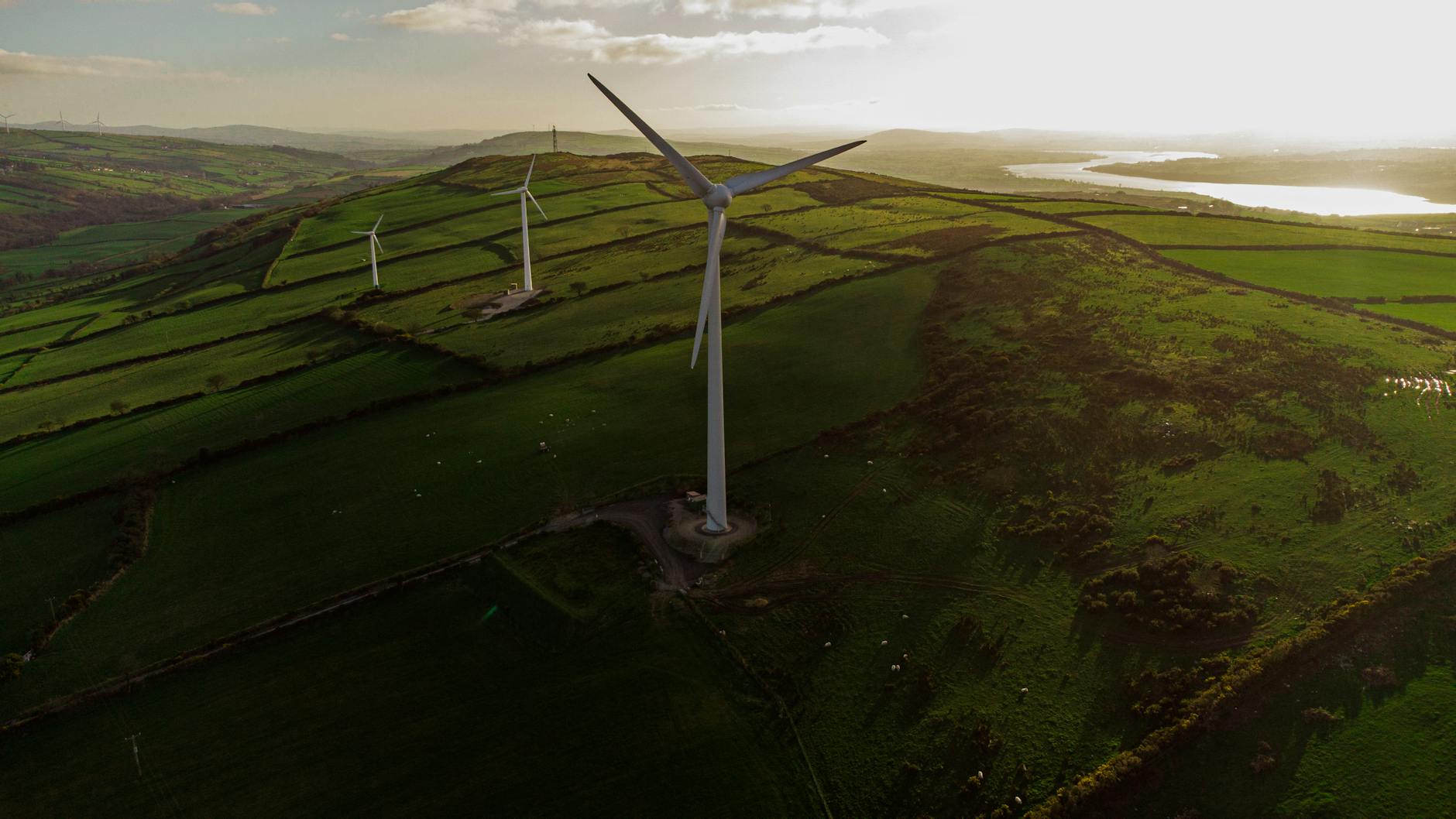
Ireland, known for its picturesque landscapes and rich cultural heritage, is now facing an unseen challenge: the burgeoning datacentre industry. A recent report highlights that these datacentres used a staggering 22% of the country's electricity last year, a trend that is driving up household bills and raising concerns about energy sustainability. As the demand for data storage increases, so too does the question: who pays the price for this digital transformation?
Key Takeaways
- Datacentres accounted for 22% of Ireland's electricity consumption in the past year.
- This energy demand has resulted in increased household electricity bills, costing families hundreds of euros.
- The situation in Ireland may serve as a warning for other European countries with similar datacentre growth.
- Increased energy costs could exacerbate existing social inequalities, impacting low-income households more severely.
- There is a pressing need for energy policies that balance economic growth with sustainable practices in the datacentre sector.
What Happened?
The recent report from The Guardian unveils a pressing issue in Ireland's energy landscape. Datacentres, which are facilities used to house computer systems and associated components, accounted for a remarkable 22% of the nation's total electricity consumption in the past year. This high demand has not only affected the overall energy supply but has also placed a financial burden on everyday households, leading to increased electricity costs. The report indicates that families are now paying hundreds of euros more in their electricity bills, a situation that could potentially replicate across Europe as datacentres continue to proliferate.
As the digital economy grows, the demand for data storage and processing power has surged. Companies are rushing to establish datacentres in regions that offer favorable tax conditions, like Ireland. This has created a perfect storm where the energy needs of these datacentres, combined with the country's reliance on fossil fuels, have led to increased energy prices for consumers. The result is a phenomenon the report describes as a "hidden datacentre tax" — an unseen financial impact that affects Irish families.
Why This Matters
Understanding the implications of a growing datacentre industry is crucial for both policymakers and the public. The considerable energy demands of datacentres can strain national electricity grids, leading to higher production costs that are ultimately passed down to consumers. This is particularly concerning in the context of rising energy prices, which have been a significant issue across Europe due to geopolitical tensions and the ongoing energy transition.
Moreover, the situation underscores a critical intersection between technology, economics, and social equity. As electricity costs rise, low-income households may struggle to keep up, exacerbating existing inequalities. This could lead to a scenario where only affluent families can afford to maintain a stable energy supply, further widening the gap between socio-economic classes.
Background and Context
The datacentre boom in Ireland can largely be attributed to the country's favorable tax policies and strategic location. Major tech companies, including Google, Facebook, and Amazon, have established significant operations in the region, attracted by low corporate tax rates and a skilled workforce. This growth has transformed Ireland into a key player in the global tech landscape.
However, the rapid expansion of datacentres comes with its own set of challenges. The energy demand from these facilities has been steadily increasing, and Ireland's reliance on fossil fuels for electricity generation complicates the situation. As the government pushes for a transition to renewable energy sources, the immediate energy needs of datacentres present a significant hurdle. Balancing this growth with sustainable practices is a challenge that policymakers must address.
Expert Analysis
The report's findings reveal a critical oversight in the planning and regulation of datacentres. While the economic benefits of attracting tech giants are clear, the long-term implications for energy consumption and household costs require urgent attention. Experts argue that current energy policies are inadequate for managing the rapid growth of datacentres. They advocate for a more comprehensive approach that includes stringent regulations on energy use and incentives for renewable energy adoption within the datacentre sector.
From an environmental perspective, the energy consumption of datacentres poses significant challenges. These facilities not only demand substantial amounts of electricity but also contribute to greenhouse gas emissions. The need for cooling systems in datacentres further exacerbates their environmental impact. Experts emphasize that without proactive measures, Ireland's commitment to sustainability could be jeopardized.
What This Means for Households and the Energy Sector
For households, the implications of the report are profound. An increase in electricity bills can strain family budgets, especially for those already facing financial challenges. As energy prices continue to rise, families may be forced to make difficult choices, such as cutting back on essential services or seeking alternative energy sources.
For the energy sector, this represents a wake-up call. Policymakers must consider the balance between attracting investment and ensuring that energy demands are met sustainably. This may involve investing in renewable energy infrastructure, improving energy efficiency, and exploring innovative technologies that can reduce the carbon footprint of datacentres.
Frequently Asked Questions
What is a datacentre?
A datacentre is a facility used to house computer systems and associated components, such as telecommunications and storage systems. They are essential for hosting websites, processing data, and supporting cloud services.
How do datacentres impact household bills?
The energy demand from datacentres can lead to increased electricity prices for households. As datacentres consume a significant portion of the electricity supply, the costs associated with electricity production are often passed on to consumers.
What can be done to mitigate the impact of datacentres on energy consumption?
Policymakers can implement regulations to manage energy consumption within datacentres, promote the use of renewable energy, and invest in energy efficiency technologies. Encouraging datacentres to adopt sustainable practices is crucial for minimizing their environmental impact.
Are other countries experiencing similar issues with datacentres?
Yes, many countries are grappling with the energy demands of growing datacentre industries. As technology continues to evolve, the balance between economic growth and energy sustainability is becoming increasingly critical across Europe and beyond.
The Road Ahead
The future of Ireland's datacentre industry presents both opportunities and challenges. While the economic benefits of attracting tech giants are undeniable, the implications for household electricity bills and energy sustainability must not be overlooked. Policymakers face the daunting task of creating frameworks that allow for growth while ensuring that the energy supply remains stable and affordable for all.
Looking forward, the focus must shift towards integrating renewable energy sources into the datacentre ecosystem. By developing strategies that encourage sustainable practices and reduce energy consumption, Ireland can lead by example in addressing the challenges posed by this growing industry. The road ahead may be complex, but it is essential for ensuring a balanced approach to economic development and environmental stewardship.