Google's Fitbit Air: A Game-Changer in Personalized Health Wearables
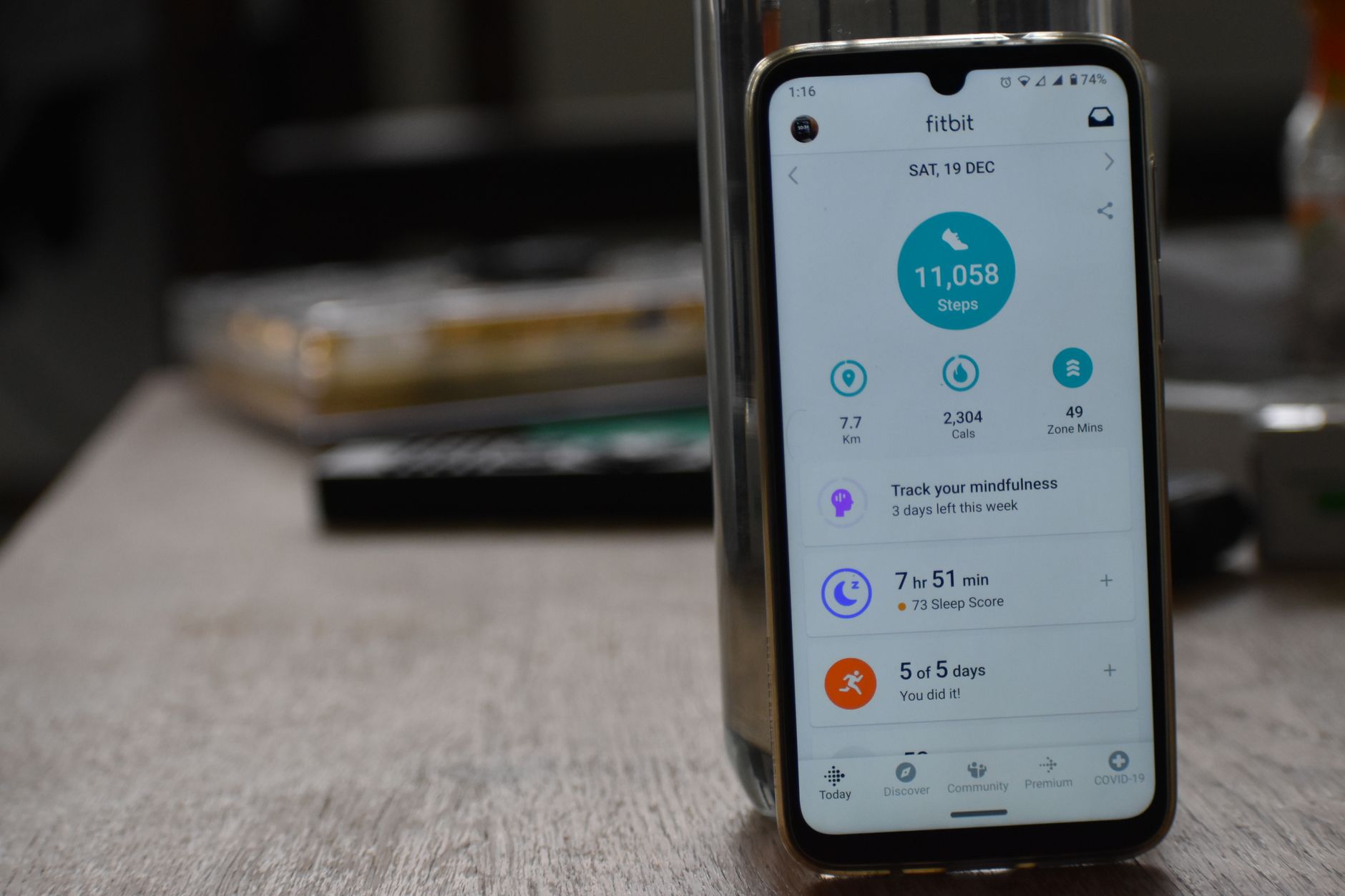
The Fitbit Air is more than just another device; it marks a significant milestone in the evolution of health and fitness wearables. With its affordability and cutting-edge technology, Google’s latest offering is set to disrupt the market, challenging established players like Whoop. Its focus on personalized health insights powered by artificial intelligence represents a shift in consumer expectations towards fitness trackers. This article explores the implications of the Fitbit Air's launch, its features, and what it means for the future of wearable technology.
Key Takeaways
- The Fitbit Air is priced at $100, making it accessible to a broad audience.
- This screenless wearable leverages AI to provide personalized health insights.
- Google's entry into the fitness wearables market intensifies competition, particularly against established brands like Whoop.
- Personalization in health tracking is becoming increasingly important to consumers.
- The Fitbit Air could redefine how users engage with their health and wellness data.
What Happened
In a strategic move to assert its presence in the health tech space, Google launched the Fitbit Air, a $100 screenless wearable device. Unlike traditional fitness trackers that come equipped with screens, the Fitbit Air is designed to provide users with a streamlined experience, focusing primarily on health data collection and analysis. What sets this device apart is its reliance on artificial intelligence to deliver personalized health insights, making it a powerful companion for those seeking to optimize their wellness routines.
The launch of the Fitbit Air comes at a pivotal time. As consumers increasingly gravitate towards devices that offer tailored insights rather than generic data, Google’s investment in AI-enhanced health tracking is well-timed. This device not only tracks standard fitness metrics but also aims to provide actionable recommendations based on user behavior and health patterns.
Why This Matters
The introduction of the Fitbit Air signals a significant shift in the fitness wearable market. By integrating AI capabilities, Google is not just offering a tracking device; it's promoting a new approach to health and wellness. Many traditional fitness trackers provide raw data, leaving users to interpret what it means for their health. In contrast, the Fitbit Air's AI coach aims to bridge that gap by transforming data into meaningful insights that can directly influence user behavior.
This emphasis on personalization is crucial, particularly as more people become health-conscious and look for tools that can support them in achieving their fitness goals. The Fitbit Air's affordability also democratizes access to advanced health technology, making it a viable option for a wider audience, including those who may have previously been deterred by higher-priced competitors.
Background and Context
The fitness wearables market has been rapidly evolving over the past decade, with major players like Fitbit, Whoop, and Apple dominating the space. Fitbit, founded in 2007, pioneered the fitness tracker market and has since expanded its offerings to include smartwatches and health-centric devices. Whoop, on the other hand, has carved a niche for itself by focusing on performance tracking, catering primarily to athletes and fitness enthusiasts.
Historically, fitness trackers have concentrated on tracking basic metrics such as steps taken, calories burned, and heart rate. However, as consumer expectations evolve, there is an increasing demand for devices that not only track these metrics but also provide insights that can enhance overall health and performance. The integration of AI into wearables like the Fitbit Air represents the next frontier in this evolution, allowing for a more proactive approach to health management.
Expert Analysis
The Fitbit Air's introduction is indicative of a broader trend within the technology sector, where the convergence of AI and health analytics is reshaping consumer expectations. Traditional wearables often suffer from a one-size-fits-all approach, which can leave users overwhelmed by data without clear guidance on how to use it effectively. The Fitbit Air, by contrast, positions itself as a personalized health assistant, leveraging AI to sift through vast amounts of data and deliver insights tailored to individual users.
This shift towards personalization is not merely a marketing gimmick; it reflects a fundamental change in how consumers relate to their health. People today are more engaged with their health than ever, often seeking tools that empower them to make informed decisions. The Fitbit Air, with its AI coaching capabilities, could foster a more interactive relationship between users and their health data, encouraging behavior changes and fostering healthier lifestyles.
What This Means for Consumers and the Health Tech Industry
The implications of the Fitbit Air extend beyond mere functionality; they herald a transformative shift in consumer engagement with health technology. As AI-driven insights become more prevalent, consumers will likely demand similar features in all health-related devices. This could push other manufacturers to innovate and enhance their offerings, leading to a competitive landscape where personalization and user experience take center stage.
The affordable price point of the Fitbit Air also challenges the traditional pricing strategies of health wearables. With a $100 price tag, Google is making advanced health technology accessible to a broader demographic. This could result in a surge of interest in health tracking among consumers who previously viewed such devices as luxury items. As more people adopt wearables like the Fitbit Air, we could see a cultural shift towards preventive health care, where individuals take a more active role in managing their health.
Frequently Asked Questions
1. How does the Fitbit Air differ from other fitness trackers?
The Fitbit Air is unique in that it is screenless and leverages AI to provide personalized health insights, rather than just tracking standard metrics. This focus on tailored recommendations sets it apart from other devices that may offer similar tracking capabilities but lack personalized guidance.
2. Is the Fitbit Air worth the investment for casual users?
At a price point of $100, the Fitbit Air is accessible for casual users who are looking to improve their health without breaking the bank. Its AI-driven insights can provide value even for those who are not fitness enthusiasts, making it a worthwhile investment for anyone looking to enhance their wellness journey.
3. What kind of data does the Fitbit Air track?
The Fitbit Air tracks a range of health metrics, including activity levels, heart rate, and sleep patterns. Additionally, it uses AI to analyze this data and provide actionable insights to help users optimize their health.
4. How can I integrate the Fitbit Air with other health apps?
The Fitbit Air can seamlessly integrate with various health apps, allowing users to sync their data across platforms. This integration enhances the utility of the device, enabling users to have a comprehensive view of their health and wellness.
The Road Ahead
Looking forward, the Fitbit Air could signal a new era in the wearable technology space, where personalization and AI play pivotal roles in consumer health management. As Google continues to innovate and refine its offerings, we can anticipate further advancements in AI capabilities that enhance user engagement and health outcomes. The health tech industry is poised for a transformation, with consumer expectations shifting towards devices that not only track health metrics but also provide meaningful insights.
As competition heats up, other companies will likely follow suit, integrating AI into their products and focusing on personalization. This shift could lead to a healthier population, as individuals become more proactive in managing their health. For Google, the Fitbit Air represents not just a competitive product but a strategic move that could redefine its position in the health tech market, setting the stage for future innovations.