DeepMind's CEO Advocates for Global AI Model Vetting Initiative
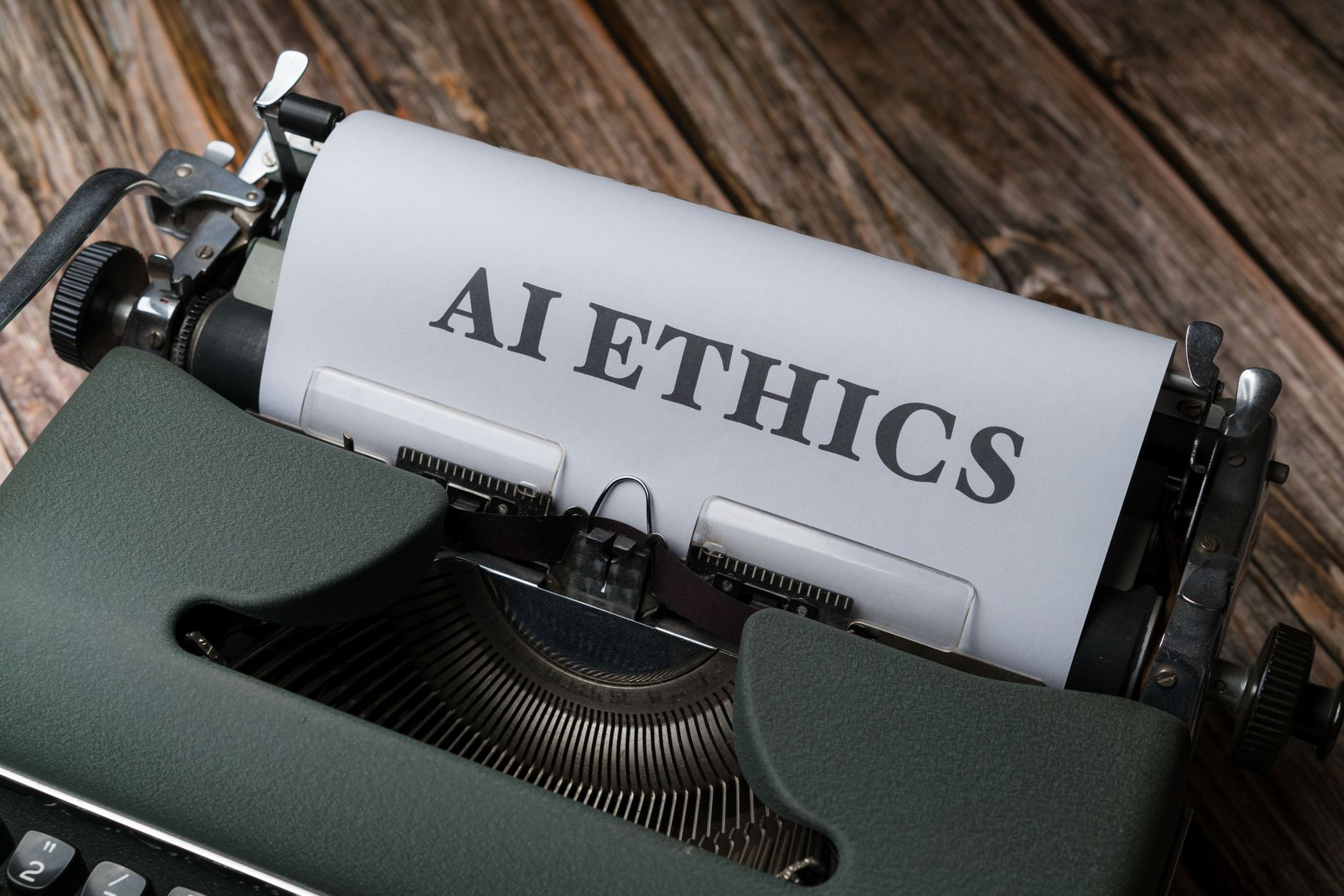
As artificial intelligence technologies proliferate, calls for increased oversight and evaluation intensify. Demis Hassabis, the CEO of DeepMind, is at the forefront of this movement, advocating for the formation of an international group dedicated to vetting AI models. This initiative reflects a growing recognition of the need for robust frameworks governing AI development and deployment, especially as AI systems become central to various aspects of modern life.
Key Takeaways
- Demis Hassabis emphasizes the importance of an international body to assess AI models for safety and ethical implications.
- Hassabis plans to engage with U.S. policymakers to bring this proposal to fruition.
- The initiative aims to create a standardized framework for AI model evaluation across countries.
- This proposal is a response to increasing global concerns about AI safety and accountability.
- Establishing an international group could foster collaboration and knowledge sharing in AI governance.
A New Era for AI Oversight
In a recent announcement, Demis Hassabis unveiled his vision for a collaborative international effort to vet artificial intelligence models. This initiative comes as an urgent response to the rapid advancements in AI capabilities, which raise intricate questions about safety, ethics, and societal impact. As AI systems operate on a global scale, the need for a cohesive approach to evaluation and regulation cannot be overstated.
Hassabis’s approach is not merely about creating a regulatory body; it’s about establishing a comprehensive framework that encompasses various aspects of AI development, including safety standards, ethical considerations, and the societal implications of deploying such technologies. In his conversations with U.S. policymakers, he aims to highlight the importance of international cooperation in creating these standards, emphasizing that AI does not recognize national boundaries, and thus, neither should the frameworks governing it.
Why This Matters
The increasing integration of AI into critical sectors such as healthcare, finance, and national security necessitates a robust evaluation system to ensure that these technologies are safe and beneficial. Concerns about AI misapplications—ranging from biased algorithms to the potential for autonomous systems to act unpredictably—underscore the urgency of this initiative.
Moreover, as countries around the world grapple with the ethical implications of AI, having an international group to vet these technologies can create uniform standards that promote accountability and transparency. Such a body would not only help mitigate risks associated with AI but also foster public trust in these systems, which is crucial for their acceptance and success.
Background and Context
The rise of AI technologies has been meteoric, with breakthroughs in machine learning and neural networks paving the way for sophisticated applications across industries. However, this rapid growth has outpaced the establishment of regulatory frameworks. In recent years, organizations such as the European Union have attempted to tackle AI regulation, proposing guidelines aimed at ensuring that AI systems are developed and used responsibly. Yet, the variances in approaches across different jurisdictions can lead to gaps in governance and accountability.
DeepMind, a subsidiary of Alphabet Inc., has been a pioneer in AI research, known for its ambitious projects like AlphaGo and advancements in healthcare applications. With this new proposal, Hassabis is drawing on DeepMind's expertise in AI to advocate for a collaborative approach to governance. The idea is that by pooling knowledge and resources from various countries and organizations, the international group could create more comprehensive standards that address the multifaceted nature of AI technologies.
Expert Analysis
The proposition for an international body to vet AI models signifies a paradigm shift in how we approach technological governance. Traditionally, regulatory frameworks have been reactive—responding to incidents or ethical breaches after they occur. Hassabis’s approach suggests a proactive stance, promoting preemptive measures that could help identify potential issues before they manifest.
This initiative reflects a growing consensus among AI researchers and ethicists that robust evaluation mechanisms are essential for the responsible development of AI. By establishing a standardized process for vetting AI models, stakeholders can ensure that safety and ethical considerations are embedded in the development lifecycle, not tacked on as an afterthought.
Furthermore, this international collaboration could serve as a model for other emerging technologies. As societies grapple with the implications of advancements in fields such as biotechnology and quantum computing, the principles of transparency, accountability, and cross-border cooperation could be instrumental in navigating these complex landscapes.
What This Means for AI Developers and Policymakers
For AI developers, the establishment of an international vetting group could lead to clearer guidelines and standards, streamlining the development process. Understanding the evaluation criteria and safety standards will enable developers to design AI systems that not only comply with regulations but also prioritize ethical considerations from the outset.
Policymakers, on the other hand, will need to engage with various stakeholders—including technology companies, civil society, and experts—to shape the vision and operational framework of this international body. This engagement will be crucial in ensuring that the standards developed are practical, relevant, and reflective of diverse perspectives.
Moreover, such collaboration could foster innovation by creating an environment where developers are encouraged to share best practices and lessons learned. This exchange of information could lead to enhancements in AI technologies, ultimately benefiting society as a whole.
Frequently Asked Questions
What will the international group focus on?
The primary focus of the international group will be to establish standardized frameworks for vetting AI models, ensuring they meet safety and ethical guidelines before deployment.
How will this impact AI development timelines?
While the introduction of vetting processes may initially lengthen development timelines, it will likely lead to greater trust and acceptance of AI technologies, which can facilitate broader adoption in the long run.
What role will policymakers play in this initiative?
Policymakers will be instrumental in shaping the framework of the international group, ensuring that it aligns with national interests while also promoting global cooperation.
How can the public influence this initiative?
The public can influence this initiative by engaging in discussions about AI ethics and safety, advocating for transparency and accountability in AI systems, and participating in public consultations held by policymakers.
The Road Ahead
The future of AI governance is poised for transformation as Demis Hassabis rallies support for an international group to vet AI models. This initiative not only represents a call for accountability but also acknowledges the collective responsibility of the global community to navigate the complexities of AI technologies. The potential for such a body to lead to standardized evaluation processes could significantly influence how AI systems are developed and deployed across different sectors.
As discussions progress, it will be crucial for stakeholders to engage in open dialogues about the ethical implications of AI and the importance of fostering trust in these technologies. The success of this initiative will ultimately rely on collaboration, transparency, and a commitment to prioritizing public welfare as we embrace the transformative power of artificial intelligence.