CNN Sues Perplexity Over Alleged Copyright Violations: What It Means for AI and Journalism

In a bold move reflecting the ongoing tension between traditional media and emerging AI technologies, CNN has filed a lawsuit against Perplexity, a startup known for its AI-driven answer engine. The lawsuit, lodged in a New York court, accuses Perplexity of generating "verbatim" copies of CNN's articles, raising significant questions about copyright, AI ethics, and the future of journalism.
Key Takeaways
- CNN's lawsuit against Perplexity claims the AI tool produces "verbatim" copies of its content.
- The lawsuit also alleges that Perplexity provides access to CNN's subscription-based content without permission.
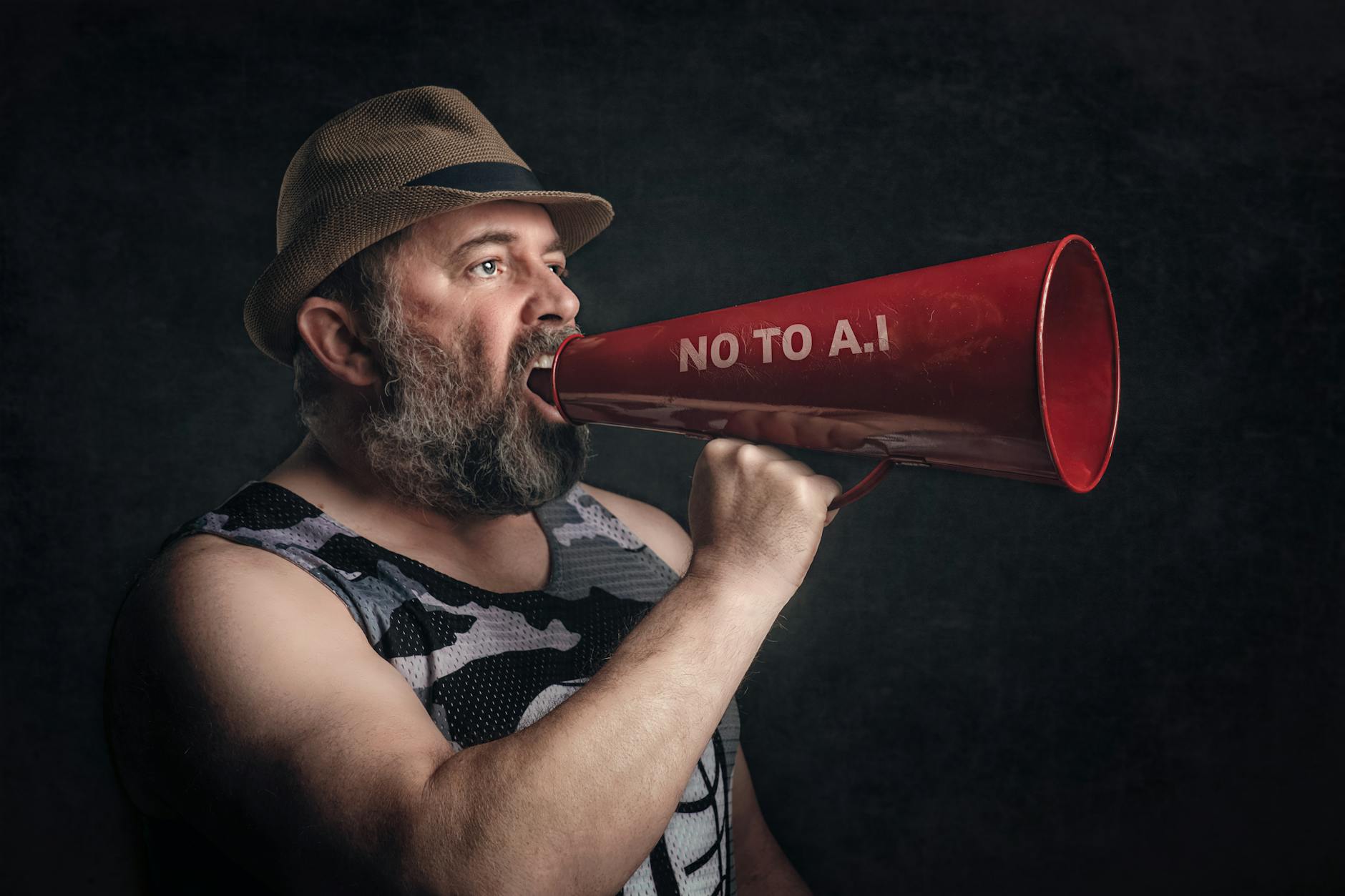
- This case underscores the growing friction between traditional media outlets and AI companies.
- The outcome could set a precedent for copyright laws regarding AI-generated content.
- As AI continues to evolve, the implications for journalism and content creators could be profound.
Understanding the Lawsuit
CNN's legal action against Perplexity hinges on several key allegations. First, CNN asserts that Perplexity's AI engine produces content that closely resembles its original articles, constituting copyright infringement. This claim rests on the premise that when an AI system is trained on existing content, it can reproduce that content in a manner that may not be readily distinguishable from the original. CNN argues that the output of Perplexity's tools is not merely inspired by its articles but rather a direct replication.
The lawsuit also highlights another critical aspect: the unauthorized use of content behind paywalls. According to CNN, Perplexity's system allegedly provides information and insights that would typically be accessible only through a paid subscription. This raises additional legal concerns regarding fair use and the rights of content creators to monetize their work without unauthorized reproduction by third parties.
Why This Matters
The implications of this lawsuit extend far beyond the immediate parties involved. As AI technologies increasingly permeate various sectors, including journalism, this case could serve as a pivotal moment in defining the boundaries of copyright law as it relates to AI-generated content. The outcome of the lawsuit may set significant precedents that could influence how media organizations protect their intellectual property in an era where AI can generate text and information quickly and at scale.
Moreover, the conflict between traditional media and tech startups illustrates a broader struggle for relevance and revenue in a rapidly changing landscape. As AI tools become more sophisticated, they threaten the conventional business models of media organizations, many of which are already grappling with declining ad revenues and changing consumer behaviors. This lawsuit may catalyze further conversations about the ethical use of AI in content generation and the responsibilities of technology firms toward the original creators.
Background and Context
The rise of AI technologies capable of generating human-like text, such as OpenAI's ChatGPT and Google's Bard, has provoked both excitement and concern across various industries. Media outlets have found themselves at a crossroads, needing to adapt to a digital landscape where information can be synthesized and disseminated rapidly by AI engines. The core of the issue lies in how these AI tools learn and generate content.
A significant aspect of the debate revolves around the concept of training data. AI systems are trained on vast datasets that include articles, blogs, and other text forms, often without explicit permission from the original authors. This practice raises ethical questions about content ownership and the potential for AI to undermine the very foundations of journalism, which rely on original reporting and analysis.
Expert Analysis
Legal experts suggest that CNN's lawsuit against Perplexity could be a landmark case in determining the intersection of copyright law and artificial intelligence. As AI tools increasingly generate text that mimics human writing, questions arise regarding what constitutes fair use. The legal landscape remains murky, with current copyright laws not fully equipped to address the nuances of AI-generated content.
One potential outcome of this lawsuit could involve the establishment of clearer guidelines about what constitutes permissible use of copyrighted material in AI training datasets. If the court finds in favor of CNN, it might lead to stricter regulations on how AI systems access and utilize existing content, thereby safeguarding the interests of content creators.
Conversely, if the court sides with Perplexity, it could signal a more permissive environment for AI-driven content generation, potentially emboldening other tech startups to develop similar tools without fear of legal repercussions. This scenario could exacerbate the existing tensions between media outlets and technology companies as they grapple with the evolving landscape of digital content.
What This Means for Journalism and Content Creators
For journalists and content creators, the outcome of this lawsuit carries significant implications. If CNN prevails, it could lead to enhanced protections for original content, allowing journalists to continue their work without the fear of having their articles reproduced verbatim by AI systems. This outcome may encourage media organizations to invest more in quality journalism, knowing that their work is legally protected from unauthorized replication.
On the flip side, if Perplexity wins, it may open the floodgates for AI tools to proliferate, potentially diminishing the value of original reporting. As AI becomes more integrated into the content creation process, the challenge for journalists will be to distinguish their work through unique insights, investigative reporting, and narrative style. In such a scenario, the role of journalists might evolve, focusing more on creating original ideas and less on producing straightforward news articles that AI can replicate.
Frequently Asked Questions
What is CNN accusing Perplexity of in the lawsuit?
CNN alleges that Perplexity's AI tools generate "verbatim" copies of its articles and provide access to subscription-based content without permission, constituting copyright infringement.
How could this lawsuit impact the future of AI in journalism?
The lawsuit could set legal precedents regarding the use of copyrighted material in AI training datasets, potentially reshaping how AI tools are developed and used in the media industry.
What are the wider implications for content creators?
The outcome of the lawsuit could either enhance protections for original content, encouraging quality journalism, or lead to a more permissive environment for AI-generated content, impacting the value of original reporting.
What might be the long-term effects on copyright laws?
The case could catalyze a reevaluation of copyright laws in the context of AI and digital content, leading to clearer guidelines on what constitutes fair use and the rights of original content creators.
The Road Ahead
As the lawsuit unfolds, it will undoubtedly attract attention from various stakeholders, including media organizations, technology firms, and legal experts. The outcome could serve as a wake-up call for all parties involved to reassess their strategies and ethical considerations surrounding content creation and distribution. This case could also prompt the development of industry-wide standards to govern the use of AI in journalism, fostering a more collaborative relationship between traditional media and tech innovators.
In an era where the lines between human-generated and AI-generated content are increasingly blurred, this lawsuit may serve as a benchmark for future discussions around copyright, ethics, and the evolving role of technology in journalism. The resolution of this case will not only impact CNN and Perplexity but could also shape the broader narrative of how we approach content creation in the digital age.