ClickUp’s Mass Layoff: A Signal for the Future of Work
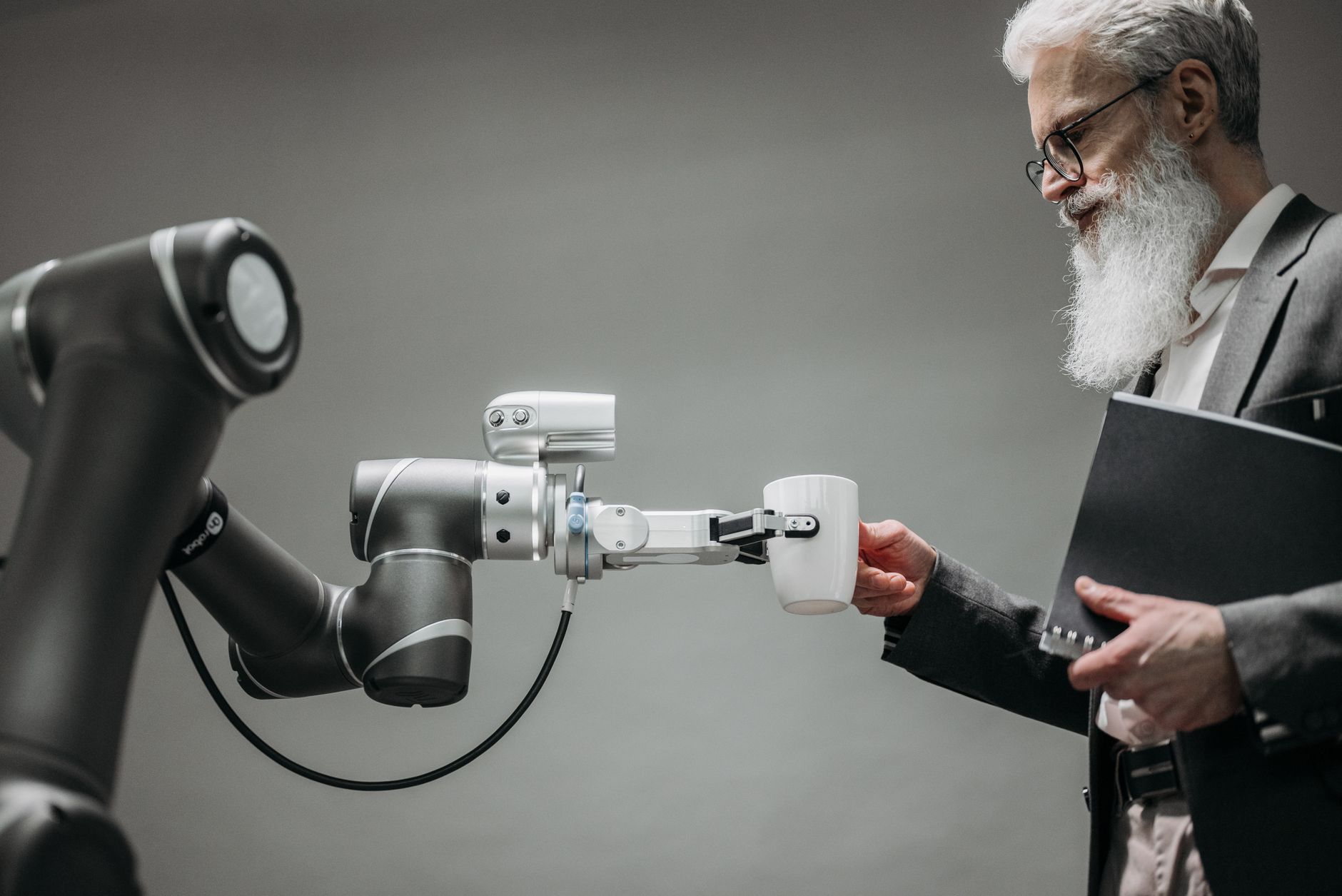
In a move that sent shockwaves through the tech industry, ClickUp, a nine-year-old startup, has made headlines by announcing mass layoffs, shedding hundreds of employees to replace them with AI agents. This transition not only raises questions about ClickUp's internal strategy but also reflects a broader trend in the evolving landscape of work, where artificial intelligence is becoming a key player in operational dynamics.
Key Takeaways
- ClickUp's decision to replace hundreds of employees with AI agents indicates a significant shift in workforce management.
- This move raises questions about the future roles of human workers in tech companies.
- AI's increasing integration into business processes suggests a redefinition of productivity and efficiency metrics.
- The layoffs may signal a trend among startups and established firms alike to automate tasks previously performed by humans.
- The implications of such layoffs extend beyond ClickUp, hinting at a potential restructuring in the job market.
Understanding ClickUp's Layoff Decision
ClickUp's recent announcement concerning its workforce restructuring is emblematic of a larger trend within the tech industry. By replacing hundreds of employees with AI agents, ClickUp aims to enhance its operational efficiency and productivity. This decision underscores a significant pivot towards automation, where tasks that once required human intellect and labor are increasingly being delegated to artificial intelligence.
This shift is not merely a reaction to economic pressures but is indicative of ClickUp's strategic vision for the future of work. By integrating AI into its core business processes, ClickUp seeks to harness the speed and accuracy of machine learning algorithms to streamline workflows, reduce operational costs, and ultimately increase its competitive edge in a saturated market.
The implications of this decision are profound. As companies like ClickUp pave the way for AI-driven work environments, the traditional understanding of job roles, responsibilities, and even career paths may undergo significant transformations. Employees who once thrived in dynamic work settings may find their roles diminished or entirely replaced.
Why This Matters
The ramifications of ClickUp's layoffs extend well beyond its corporate walls. This move serves as a bellwether for the tech industry, which has been increasingly leaning towards automation as a means to drive efficiency. As AI technologies evolve, they promise to handle tasks that were once considered uniquely human, thereby reshaping the economic landscape.
Moreover, the decision reflects a broader cultural shift within the workplace, where companies are prioritizing rapid adaptation to remain competitive. In an environment where agility is prized, the adoption of AI solutions not only allows for cost reduction but also positions a company to scale operations without the traditional overhead associated with human labor.
As ClickUp’s approach gains traction, it raises essential questions about the future roles of human workers. What skills will be valuable in an AI-dominated workplace? How can workers prepare for a landscape where their roles may be drastically changed or eliminated? These questions challenge employees across sectors to rethink their positions and adapt to an uncertain future.
Background and Context
The trend towards automation is not new; however, it has gained unprecedented momentum in recent years. Companies have long sought to leverage technology to augment human capabilities, but advancements in AI have enabled machines to perform complex tasks that were once thought to require human intelligence. This evolution poses a unique challenge to the workforce.
Historically, technological advancements have led to job displacement, yet they have also created new opportunities for employment in emerging sectors. The Industrial Revolution is a classic example where mechanization resulted in the displacement of manual labor, yet it simultaneously paved the way for new industries and job roles. The current AI revolution, however, presents a different paradigm, as it not only automates tasks but also possesses the capability to learn and adapt, potentially outpacing human workers in various functions.
Expert Analysis
ClickUp's layoff strategy, while alarming, is reflective of a calculated approach to leverage AI as a key business driver. Experts predict that as AI becomes more sophisticated, its application in various industries will proliferate, fundamentally altering the employment landscape. Companies that adapt to this trend will likely find themselves at a competitive advantage, while those that resist may struggle to survive.
Furthermore, the replacement of human jobs with AI agents raises ethical considerations that cannot be overlooked. As automation becomes more prevalent, questions arise regarding the responsibility of companies to their workforce. Are they required to provide retraining opportunities for displaced employees? How should they navigate the balance between technological advancement and workforce welfare?
Ultimately, ClickUp's actions may be a harbinger of a larger trend within the tech industry. By prioritizing efficiency and productivity over human employment, companies may inadvertently contribute to a growing divide in the labor market, where high-skill workers thrive while low-skill roles diminish. This bifurcation could lead to socio-economic challenges that necessitate proactive policy responses from governments and organizations alike.
What This Means for the Workforce
For employees and job seekers, ClickUp’s mass layoffs signal an urgent need to adapt and evolve. As AI technologies increasingly take over routine tasks, workers must cultivate skills that complement these advancements rather than compete with them. Skills such as critical thinking, creativity, emotional intelligence, and complex problem-solving will become invaluable in a landscape dominated by machines.
Furthermore, the rise of remote work, accelerated by the COVID-19 pandemic, has redefined traditional employment structures. Companies are now more inclined to hire for specific skill sets rather than geographical location, allowing for a more diverse and globally distributed workforce. This evolution necessitates that workers remain agile and adaptable, ready to pivot as market demands shift.
Moreover, ClickUp’s focus on AI-driven solutions may inspire other startups and established firms to follow suit, potentially leading to a wave of similar layoffs across the industry. As this trend unfolds, it becomes increasingly imperative for workers to stay informed about the technologies impacting their professions and to seek continuous learning opportunities to remain relevant in an ever-evolving job market.
Frequently Asked Questions
What are the implications of ClickUp’s layoffs for employees?
The layoffs highlight a shift towards automation, which could lead to job displacement in various sectors. Employees may need to adapt by acquiring new skills that complement AI technologies.
How can workers prepare for an AI-driven workplace?
Workers should focus on developing skills in critical thinking, creativity, and emotional intelligence, which are less likely to be automated by AI. Continuous learning through online courses and training programs is essential.
What industries are most affected by AI automation?
While tech companies like ClickUp are at the forefront, industries such as manufacturing, customer service, and logistics are also experiencing significant shifts due to AI automation.
Will there be new job opportunities created by AI?
Yes, while AI may displace some jobs, it is also expected to create new roles in fields such as AI development, data analysis, and cybersecurity, requiring workers to adapt to new technologies.
The Road Ahead
As we look to the future, the trajectory of AI integration into the workforce suggests a profound transformation in how work is conducted. Companies must remain vigilant in their approach, balancing the benefits of automation with the need to support their workforce through transitions. By investing in retraining programs and fostering a culture of continuous learning, organizations can mitigate the negative impacts of layoffs while harnessing the potential of AI to drive innovation.
Moreover, as ClickUp's actions reverberate through the tech industry, it may prompt a reevaluation of societal norms surrounding work and productivity. Policymakers, educators, and business leaders must collaborate to create frameworks that support workers during this transition, ensuring that the benefits of AI advancements are shared equitably across the workforce. The future of work is not just about technology; it’s about people, and it's imperative that humanity remains at the center of this evolution.