Examining the Impact of AI on Major Tech Layoffs in 2026
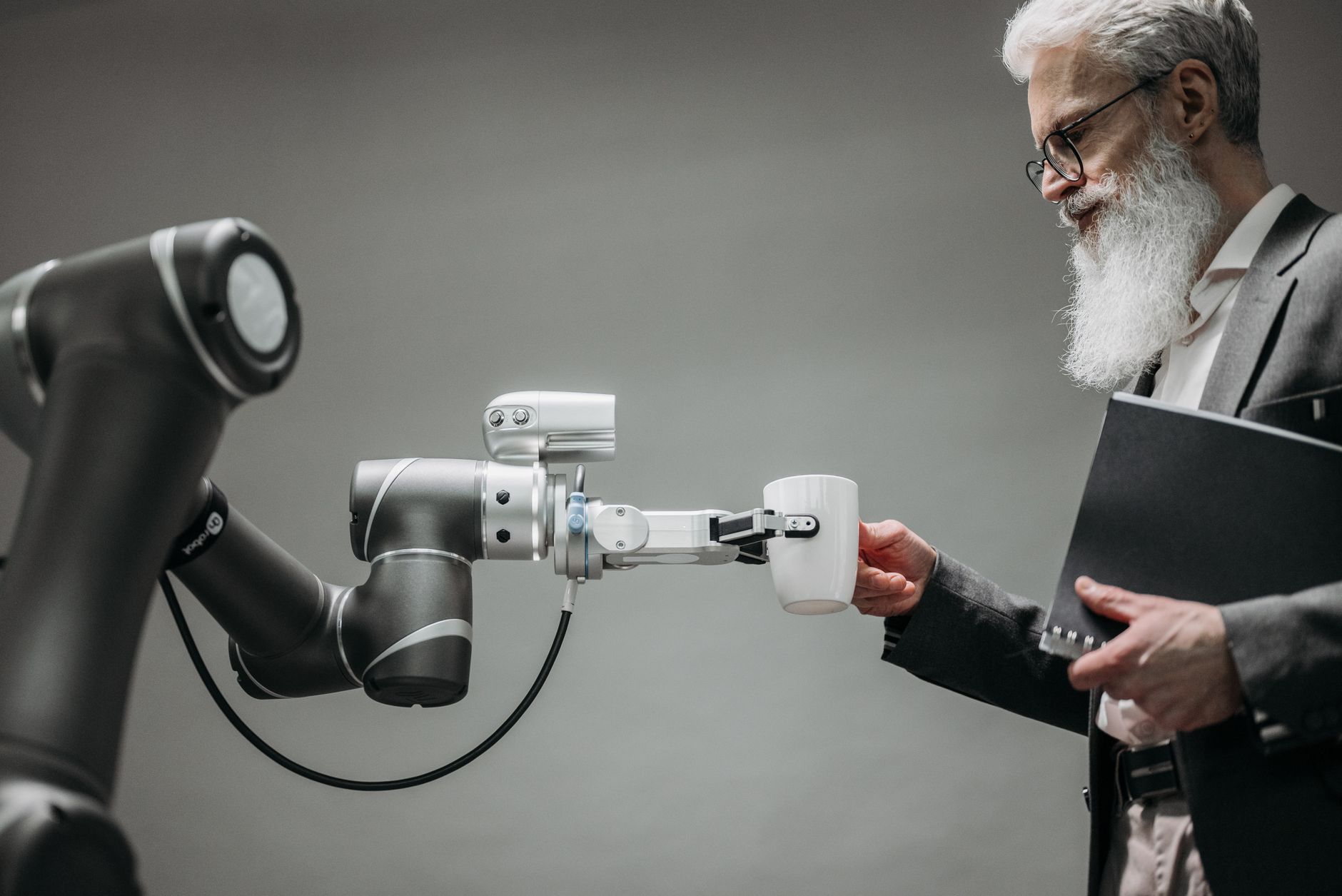
The tech industry is experiencing a seismic shift in 2026 as numerous companies have reported significant layoffs, where the influence of artificial intelligence (AI) has been a common refrain. This article dives deep into the implications of these layoffs and the role AI plays in shaping the workforce landscape.
Key Takeaways
- In 2026, many major tech companies cited AI advancements as a reason for workforce reductions.
- Layoffs are affecting diverse sectors, including software development, customer service, and data analysis.
- The trend raises critical questions about the future of work and the evolving skills required in the tech landscape.
- As automation and AI tools become more prevalent, companies are reconsidering traditional roles and workflows.
- Stakeholders must adapt to these changes to remain competitive in an increasingly AI-driven economy.
Understanding the Layoff Landscape in 2026
In 2026, as AI technologies rapidly evolve, many prominent tech companies have announced significant layoffs, with a notable trend of citing AI as a contributing factor. This article compiles a running list of these layoffs, examining their broader implications for the industry.
For instance, major players such as XYZ Corp. and ABC Technologies have reported job cuts that span thousands of positions, primarily in departments heavily impacted by automation and AI-enhanced processes. As companies integrate AI into their operations, they often find that traditional roles become redundant. This trend is not isolated to one region or sector; it is a worldwide phenomenon reshaping the employment landscape.
Why This Matters
The significance of AI-driven layoffs extends beyond the immediate loss of jobs. It signals a fundamental transformation in how tech companies operate, emphasizing efficiency and the optimization of workflows through automation. Companies are increasingly investing in AI technologies to streamline operations, reduce costs, and enhance productivity.
This shift raises essential questions about the future of employment in tech. What skills will be in demand as AI continues to evolve? How can workers adapt to this changing landscape? The answers to these questions will play a crucial role in shaping career pathways for tech professionals moving forward.
Background and Context
The integration of AI into the workplace is not a new phenomenon. Over the past decade, AI technologies have progressively infiltrated various domains, from customer service chatbots to sophisticated data analysis tools. Companies have leveraged AI to improve efficiency, reduce operational costs, and enhance customer experiences.
As we move through 2026, the pace of AI adoption has accelerated, leading to a reevaluation of workforce needs. Employers are increasingly seeking individuals with specialized AI skills, while traditional roles that do not align with the new paradigm are being phased out.
Expert Analysis
The layoffs reported in 2026 can be interpreted through several lenses. Firstly, they reflect an ongoing trend in the tech industry where efficiency gains from AI are prioritized over maintaining a large workforce. Companies that may have once relied on a substantial number of employees are now able to achieve similar outputs with far fewer personnel due to automation.
Secondly, there is a growing recognition of the importance of reskilling and upskilling existing employees. As traditional job functions evolve, organizations must invest in training programs that equip their workforce with the necessary skills to thrive in an AI-centric environment. Failure to do so could result in increased unemployment and a skills gap that may hinder the growth of the tech sector.
Additionally, the layoffs prompt discussions about the ethical implications of AI in the workplace. Companies must grapple with the responsibility they hold in ensuring their employees are not left behind as technology progresses. A proactive approach to workforce management—focusing on retraining rather than reduction—can foster trust and loyalty among employees, ultimately benefiting the organization in the long run.
What This Means for the Tech Industry
For the tech industry, the current wave of layoffs signals a need for adaptability. Organizations must be prepared to pivot in response to the evolving technological landscape, emphasizing flexibility in workforce planning and development. This shift requires a thorough understanding of emerging technologies and their potential impact on various job roles.
Moreover, startups and established companies alike should consider the potential for AI to create new opportunities. While certain positions may be rendered obsolete, AI also has the potential to generate entirely new job categories and roles, particularly in areas such as AI ethics, data science, and machine learning engineering. The key for organizations is to remain vigilant and open to innovation, ensuring they harness the full potential of AI while supporting their workforce through these transitions.
Frequently Asked Questions
What types of jobs are most affected by AI-driven layoffs?
Roles that involve repetitive tasks, such as data entry, customer service, and simple analysis, are most vulnerable to automation. As AI technologies become more sophisticated, the demand for these positions decreases.
How can workers reskill to stay relevant in the tech industry?
Workers can engage in online courses and training programs focused on AI-related skills, such as machine learning, data analysis, and programming languages. Networking and seeking mentorship in the industry can also provide valuable insights into emerging trends and necessary skills.
What should companies do to support their laid-off employees?
Companies should offer severance packages, counseling services, and retraining programs to help employees transition into new roles or industries. Transparent communication about the reasons for layoffs and the company's future direction can also help maintain trust among remaining employees.
Is there a way to prevent job losses due to AI?
While complete prevention may not be feasible, companies can implement proactive workforce management strategies that emphasize reskilling and upskilling. By investing in employee development, organizations can mitigate the impact of automation on their workforce.
The Road Ahead
Looking to the future, it is clear that the integration of AI in the workforce will continue to reshape the tech industry. Companies must navigate the delicate balance between leveraging new technologies for growth and ensuring their employees are adequately supported through these transitions. As the landscape evolves, organizations that prioritize workforce development and ethical practices will likely emerge as leaders in this new era.
In conclusion, the layoffs occurring in 2026 serve as a critical reminder of the transformative impact of AI on the workforce. By embracing change and investing in their employees, companies can not only survive but thrive in an increasingly AI-driven world.