Chip Stocks Plummet as Samsung Misses AI Expectations
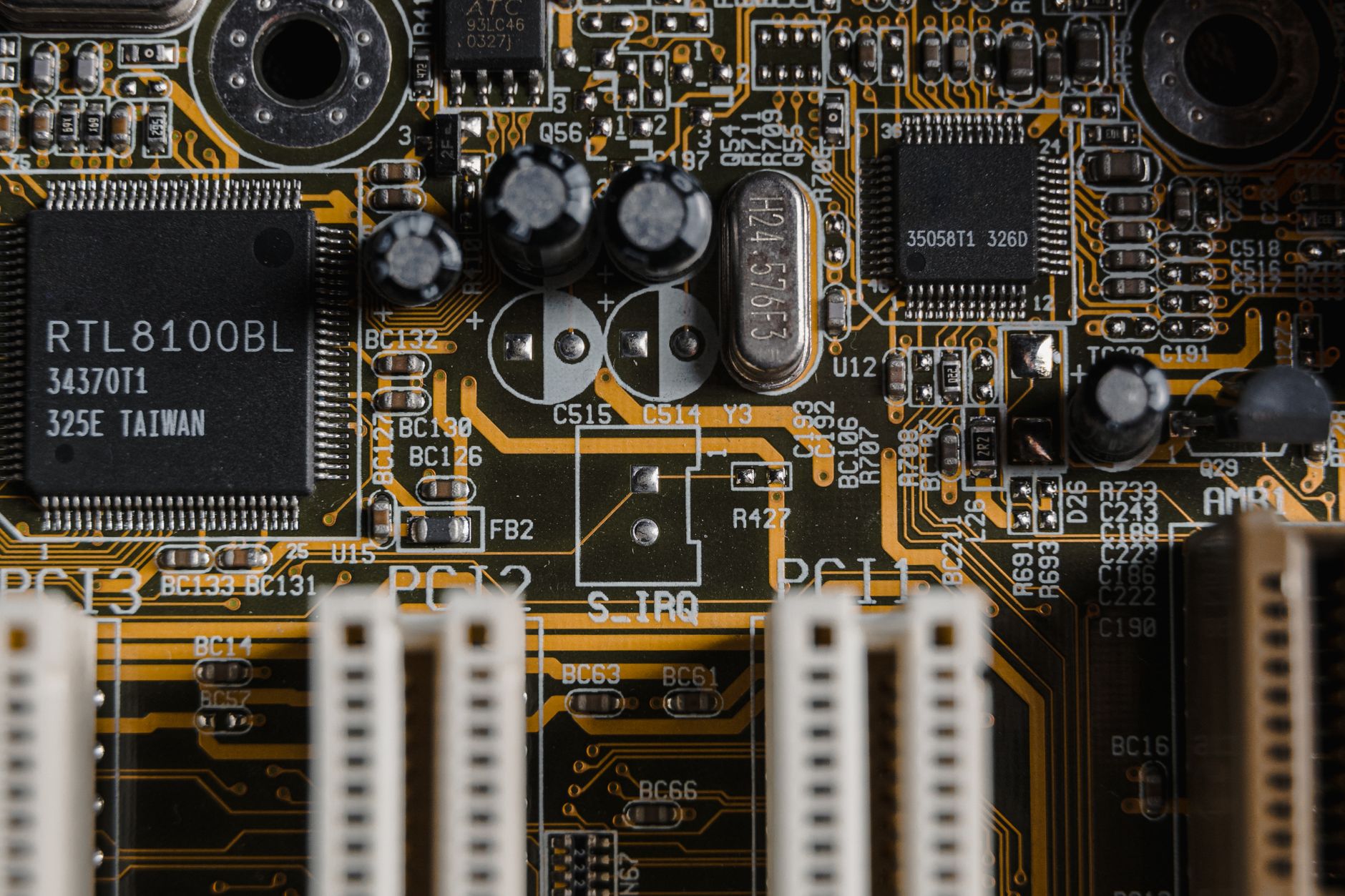
The semiconductor industry, long considered a backbone of modern technology, is experiencing a seismic shift in investor sentiment. Following Samsung Electronics' latest earnings report, which fell short of lofty expectations set by the AI boom, chip stocks took a notable downturn. This marks a critical moment for the industry, raising questions about growth trajectories and market dynamics in the face of rapidly evolving technology.
Key Takeaways
- Samsung Electronics reported earnings that failed to meet market expectations, particularly in the AI sector.
- Following a 145% stock surge, investor confidence waned, resulting in a selloff of semiconductor stocks.
- The results highlight a growing disconnect between high market expectations and actual performance in the semiconductor industry.
- Analysts are reconsidering the sustainability of the AI-driven chip market as demand fluctuates.
- This scenario underscores the volatile nature of tech investments, especially in sectors driven by hype and speculation.
Samsung's Earnings Report: What Happened?
Samsung Electronics published its earnings earlier this week, revealing that its profits for the last quarter did not meet the bullish forecasts that had been set by analysts and investors, particularly regarding its AI-related semiconductor products. The company reported a revenue decline of 20% year-over-year, significantly impacting its semiconductor division, which has been a major revenue driver.
Despite earlier optimism, driven in part by a 145% stock increase in the preceding months, the results prompted a swift reaction from investors. Following the announcement, Samsung’s shares dipped sharply, triggering a broader selloff in the semiconductor sector. This indicated that market participants were perhaps overly optimistic in their projections, buoyed by the AI boom's allure without strong underlying performance metrics to justify it.
Why This Matters
This earnings miss is significant for several reasons. Firstly, it highlights the growing pressure on semiconductor companies to deliver robust growth amid the AI revolution. AI has become a buzzword that promises transformative potential, leading to inflated expectations around companies like Samsung, Nvidia, and Intel. When those expectations are not met, the market reacts quickly, as evidenced by the recent selloff.
Moreover, this situation underscores a broader trend in the tech industry, where the rapid ascent of AI technologies has created a chasm between speculative market valuations and actual financial performance. Investors are left to grapple with the implications of such volatility, particularly as the semiconductor market is integral to the functioning of AI technologies.
Background and Context
The semiconductor industry has always been cyclical, but recent years have introduced unprecedented volatility. The rise of AI and machine learning has created a rush for advanced chips capable of handling complex computations. Companies like Nvidia have surged in value, seen as key players in this evolving landscape. Samsung, traditionally a major player in memory chips and consumer electronics, positioned itself to capitalize on this trend, investing heavily in AI-driven semiconductor research and production.
However, the expectation that all companies in the semiconductor space would benefit equally from the AI boom may have been misguided. The mismatch between Samsung's reported earnings and the high valuation of its stock reflects a more profound issue: the challenge of delivering on the hyperbolic promises surrounding AI. This disconnect is a critical lesson for investors navigating the tech landscape.
Expert Analysis
In analyzing Samsung's earnings and the subsequent market reaction, one must consider the broader implications for investor sentiment in the semiconductor sector. The reported decline of 20% in revenue is stark, particularly for a company of Samsung's stature. Analysts suggest that this disappointment may reflect a lack of demand in key sectors, especially as businesses reassess their investments in AI technologies amidst economic uncertainties.
Furthermore, the rapid selloff of semiconductor stocks raises questions about market valuations. The semiconductor sector has traditionally been seen as a growth engine, but the recent developments suggest that the market may be recalibrating its expectations. Some experts believe that the selloff could lead to a more rational and sustainable approach to valuation in the tech market, emphasizing the importance of fundamentals rather than speculative hype.
What This Means for Investors and Developers
For investors, the implications of Samsung's earnings report are profound. It serves as a cautionary tale about the risks associated with high-flying tech stocks, particularly those tied to emerging technologies like AI. Investors must remain vigilant and focus on companies that not only promise innovation but also demonstrate solid financial performance.
For developers and companies in the semiconductor space, the earnings miss signals an urgent need to align product development with market demand. The rapid pace of technological change demands agility and a keen understanding of the market’s direction. Companies that can adapt to shifting dynamics and deliver products that meet real-world needs will be better positioned to thrive in an increasingly competitive landscape.
Frequently Asked Questions
What does Samsung's earnings miss mean for the semiconductor industry?
Samsung's earnings miss suggests that high expectations for AI-driven growth may not be universally applicable across the semiconductor sector, leading to a reevaluation of company valuations and growth prospects.
How does this impact investors in chip stocks?
Investors may need to adjust their strategies, focusing on companies with strong fundamentals rather than those riding the hype of emerging technologies like AI.
What are the long-term implications for AI technology adoption?
The disconnect between speculation and actual performance could slow down investment in AI technologies if companies do not meet growth expectations, potentially delaying broader adoption.
Should I be concerned about the overall tech market?
While this situation highlights volatility in the semiconductor sector, it is essential to assess individual companies and market trends holistically before making investment decisions.
The Road Ahead
Looking forward, the semiconductor industry faces both challenges and opportunities. The disappointment from Samsung’s earnings could lead to a more cautious environment for investment, as stakeholders recalibrate their expectations. Companies that can navigate the challenges and deliver consistent, quantifiable results will likely emerge as leaders in the market.
Additionally, as the demand for AI technologies continues to grow, there will be opportunities for innovation within the semiconductor space. Companies that invest in research and development and align their products with market needs will be best positioned to capitalize on the ongoing digital transformation.